By Duncan Mboyah
The European Union (EU) has donated Ksh. 4.8 billion (about USD 37M) to support the fight against climate change, improving livelihoods and conserving biodiversity in Kenya.
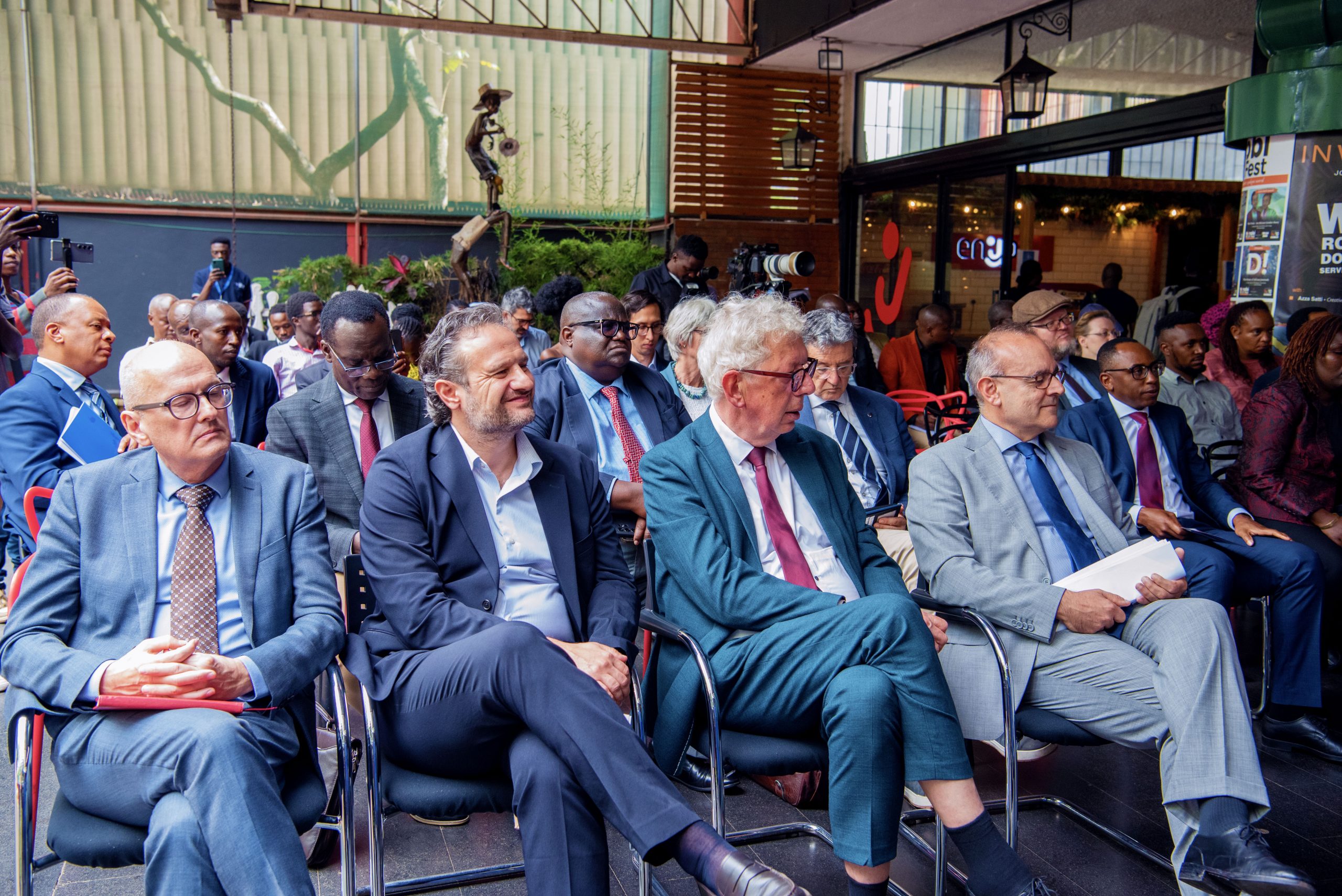
Henriette Geiger, EU Ambassador to Kenya, said that part of the money will also be used to restore degraded landscapes by adopting and implementing sustainable land management practices in the Lake Baringo watershed.
“The funding will help address land use changes, deforestation and switching Kenya Green,” she told journalists in Nairobi during the signing of the agreement.
Greiger noted that the collaboration between the EU and Kenya also seeks to consistently provide leadership for the global push to restore ocean health and improve the productivity of nature and assets.
She said that greening and environmental conservation make economic sense, especially now that global temperatures have risen by more than 2 degrees Celsius.
Geiger added that the EU is supporting Kodiaga Prison in Kisumu city, western Kenya, by installing modern solar systems to enable the facility to have its own energy and also additional megawatts to sell to the national grid.
She said that the EU is working with selected Kenyan youths to help move the greening agenda by ensuring that Kenya adapts legislation on green buildings.
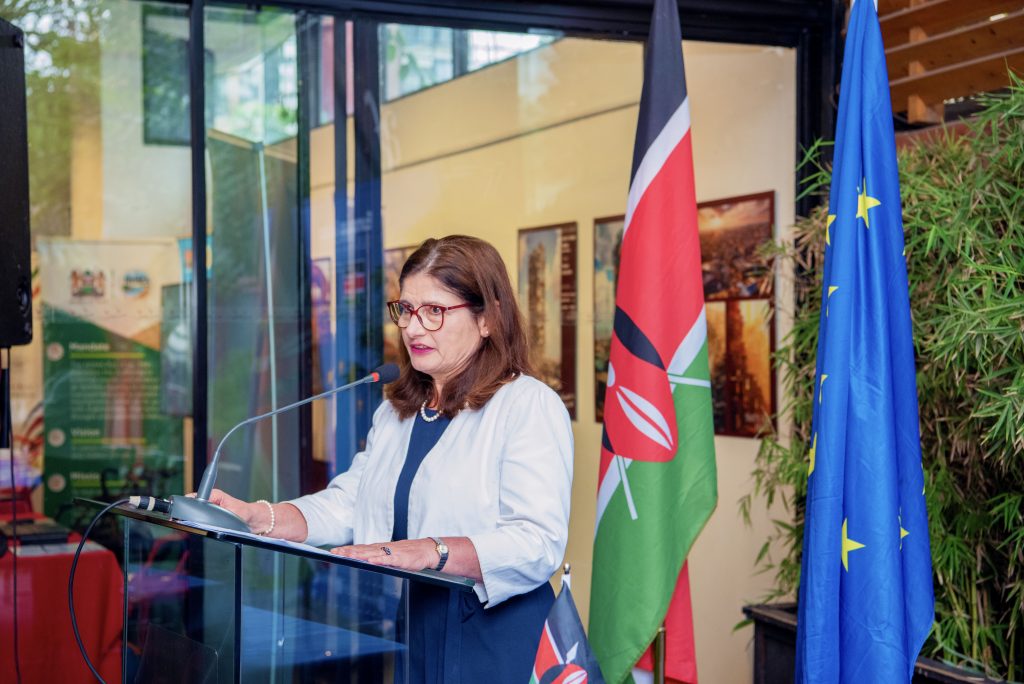
Sylvia Museiya, principal secretary in the Ministry of Tourism and Wildlife, commended the EU for supporting the four projects.
Museiya said that Kenya is aligning the projects so as to avoid duplication with some other ongoing projects.
She revealed that Kenya has scaled up training of rangers to help with tracking illegal traders in wildlife products.
Kenya’s Ministry of Environment, Forestry and Climate Change received kshs. 600 million (about USD 4.6M) towards establishing a sound legal basis and a Measurement, reporting and verification (MRV) system to track and report its Nationally Determined Contribution (NDC) under the enhanced transparency framework (ETF) of the Paris Agreement.
The International Union for Conservation of Nature (IUCN) received kshs. 1.3 billion (about USD 10.3M) towards strengthening community conservation and tourism development, ensuring biodiversity conservation in Northern Kenya.
IUCN will support resilient community conservancies for biodiversity conservation, livelihood improvement and peace/security.
It will include the development of a diversified regenerative green economy for and by local communities, and strengthen inclusive natural resources governance at the landscape level.
Hivos project, switching Kenya green – Tujenge Pamoja project got Kshs. 750 million (about USD 4.8M) for advancing Kenya’s circular economy through promotion of sustainable businesses by improving access to finance, enhancing business performance, and creating green jobs.
A project that is set to strengthen climate resilience in the Lake Baringo Watershed received Kshs. 2.1 billion (about USD 16M) to support the adoption and implementation of sustainable land management practices in the Lake Baringo watershed to address land use changes, deforestation and climate change.