By Samantha Linda
Kenya’s agenda to transform Kakuma and Dadaab refugee camps into thriving, self-sustaining towns, under the Shirika plan, has received a boost.
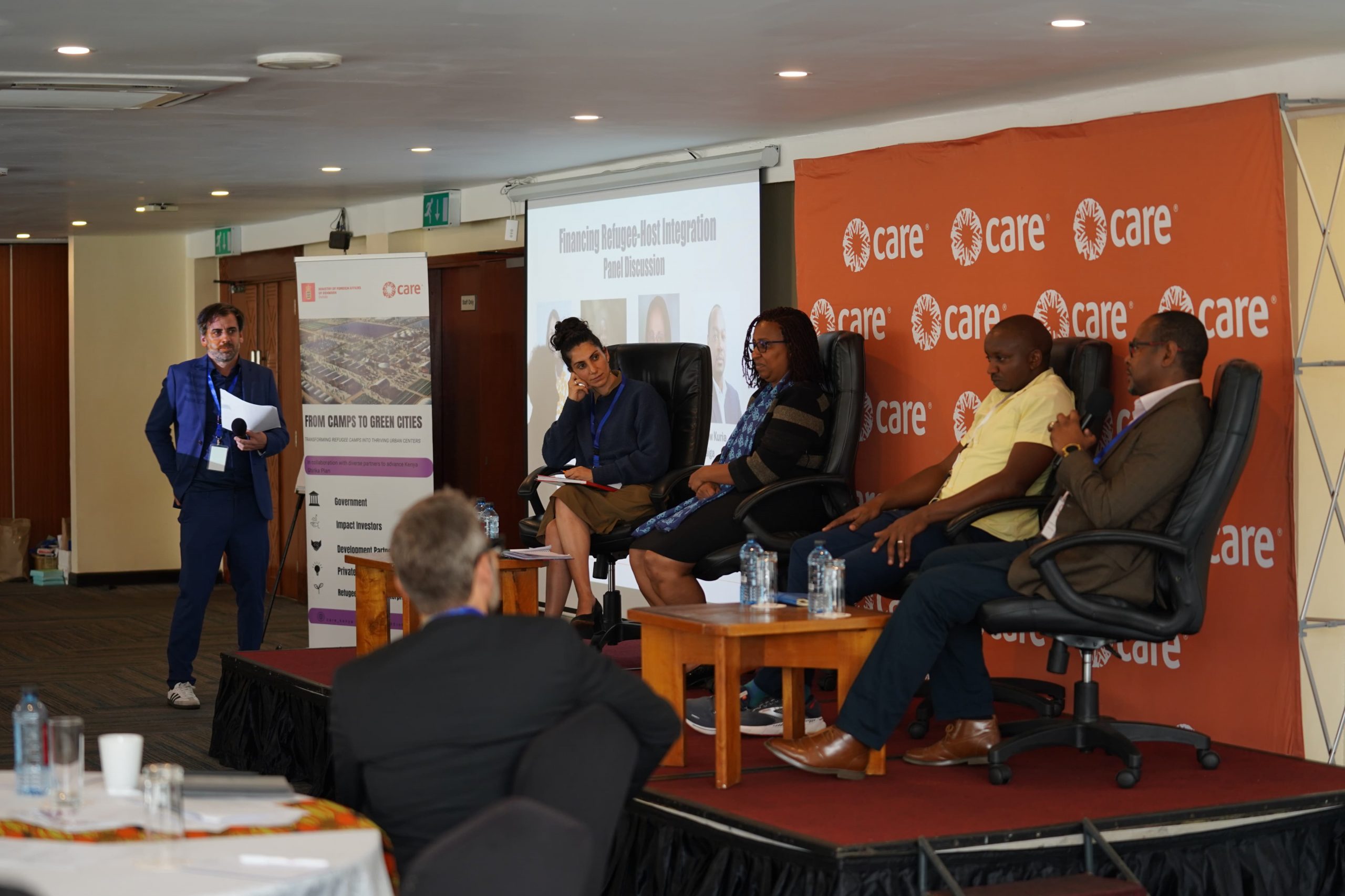
During a high-level forum in Kenya’s capital, Nairobi, stakeholders from government, the private sector, development agencies, and refugee-led enterprises discussed models such as blended finance, social impact bonds, carbon finance, and development impact bonds that can attract private investment into refugee-hosting regions.
The meeting titled “Catalyzing Innovative Finance for the Shirika Plan: Unlocking New Models for Supporting Refugee-Host Integration in Kenya,” was organized by CARE Denmark and CARE Kenya with support from the Danish Royal Embassy.
“We are moving from viewing refugees through a humanitarian lens to embracing them as partners in development,” said Richie Olaka, speaking on behalf of the Commissioner for Refugee Affairs. “Access to documentation, financial inclusion, and gender-responsive approaches are key to enabling refugees to participate meaningfully in Kenya’s economy.”
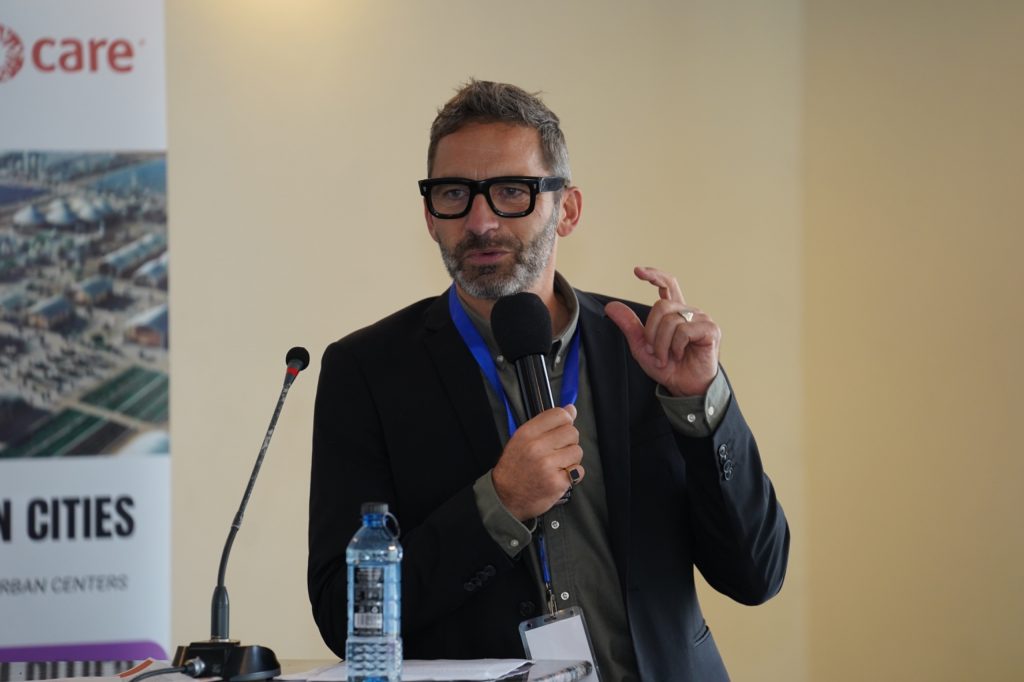
According to Rasmus Stuhr Jakobsen, CEO of CARE Denmark, the global funding squeeze demands a rethink of humanitarian financing.
“Humanitarian needs are rising while concessional aid is under pressure,” he said. “The answer is not charity versus capital, it is smarter partnerships that crowd in investment and leave no one behind.”
Jakobsen added that Kenya could set a global precedent for demonstrating how innovative finance can deliver both social and financial returns in fragile settings.
Hellen Owiti, Country Director for CARE Kenya, emphasized that refugee-host communities are already driving small-scale innovations that require financial access to grow.
“Communities in Turkana and Garissa are already innovating from green livelihoods to small enterprises,” she said. “What they need now is access to finance, markets, and enabling policy. The Shirika Plan provides the framework, and partnerships like this provide the momentum.”
Private sector voices also highlighted the untapped potential in refugee economies. Teresiah Wakahia, Business Growth Services Director at Inkomoko, noted that refugee and host entrepreneurs are already running viable enterprises despite facing financial barriers.
“Refugees are not just recipients of aid, they are businesspeople with ideas worth investing in,” she said. “The market is there; what is needed is capital, not just aid.”
Inkomoko has disbursed over USD 20 million in loans to more than 25,000 entrepreneurs across East Africa, including USD 13 million in Kenya, showing that refugee-led businesses are bankable when financial systems are inclusive.
During a technical session, Ryan Ombara from Open Capital Advisors outlined how risk-sharing guarantees, revolving funds, and results-based financing could be applied to Shirika Plan priorities, including off-grid energy, childcare, livelihoods, and climate adaptation.
Okapi Green Energy Limited is an example of such innovation. It is a Kakuma-based social enterprise providing clean cooking and solar power solutions. The company operates a 20 kW mini-grid serving over 200 clients and is seeking a USD 700,000 blended-finance package, 60 percent grant and 40 percent concessional loan to expand its operations.
Other organizations, such as AlphaMundi Foundation, International Rescue Committee, and Danish Refugee Council, also shared new initiatives aimed at catalyzing private sector development and investment in refugee contexts.
The event also featured the launch of CARE Denmark’s Adaptation Revolving Fund, designed to close the financing gap in climate adaptation by supporting local enterprises with carbon-linked finance and blended capital.
Participants agreed on key next steps, including mapping investable business cases aligned with Shirika Plan priorities, advancing de-risking instruments, and taking concrete actions within 100 days to mobilize new financing streams and partnerships.
By blending social impact with private investment, Kenya is positioning itself as a global leader in inclusive refugee development, showing that refugee-host integration can be both sustainable and economically viable.
“If we succeed here,” said Jakobsen, “Kenya can show the world how to turn humanitarian response into long-term opportunity.”