By Gift Briton
Kenya has launched what organisers describe as Africa’s first national initiative to transition public institutions to clean cooking, starting with schools that feed millions of learners daily.
More than 50,000 primary and secondary schools operate in Kenya, with over 90% still using firewood to prepare meals. That dependence places pressure on school budgets and forests while exposing children and kitchen staff to harmful smoke.
Cooking energy accounts for up to 40% of the cost of preparing a school meal, officials say, a burden Kenya hopes to ease as it expands its school feeding programme to reach 10 million learners by 2030.
At a workshop in Nairobi organised by the Ministry of Education and its partners, Kenya launched a national data collection exercise to map how schools cook, assess their energy needs and develop an investment pipeline for cleaner institutional cooking. The programme begins with schools but could later extend to other public institutions, including hospitals.
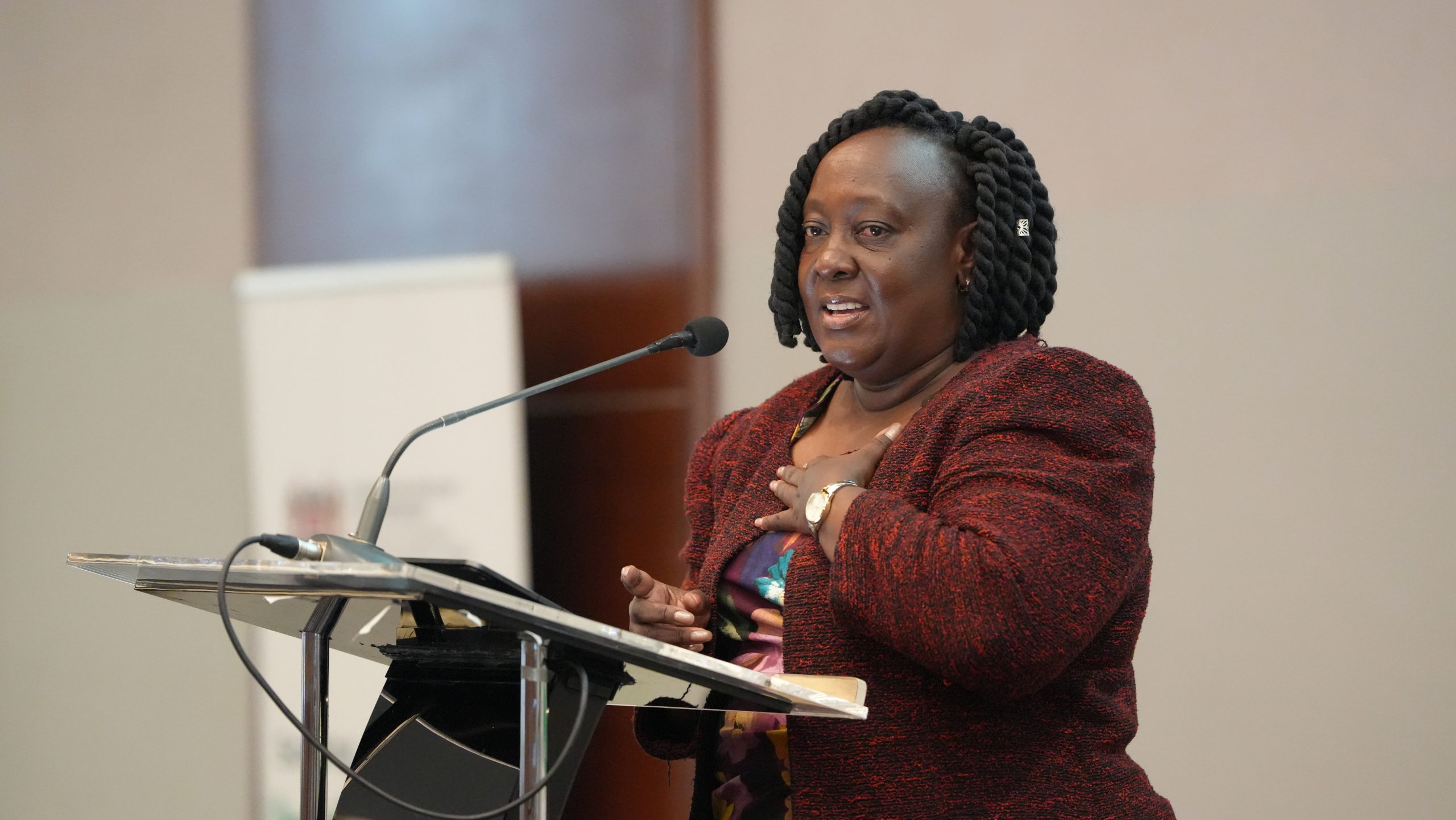
Mary Muinde, Chief of Staff in the Office of the First Lady, described clean cooking as an issue of health, education, environmental protection and dignity. She was speaking on behalf of the First Lady Rachel Ruto.
“The future of our children should never be cooked in smoke,” she said. “It should be prepared with clean energy, nourished with healthy food, and served with dignity.”
Ambassador Ali Mohamed, Kenya’s Special Envoy for Climate Change, said the initiative could shift institutional clean cooking from a donor-led intervention into a structured investment opportunity.
The nationwide exercise will generate evidence on demand, infrastructure and financing needs. The findings will help government and investors identify where resources are needed and which projects are ready for support.
“Investors do not invest in ambition alone,” Ambassador Mohamed said. “They invest in credible, evidence-based, and investment-ready opportunities.”
Dr. Elyas Jillaow, Director General at the Ministry of Education, said the data must reflect the different realities of Kenya’s schools.
“A boarding school in Turkana may require a different solution from a day school in Kiambu. Some institutions prepare hundreds of meals each day. Others prepare thousands. The transition must respond to the needs of individual schools rather than rely on national averages,” he said.
The country also aims to provide school meals to at least 10 million children by 2030, particularly at the elementary level.
This programme has three phases. The first is the nationwide data collection exercise being completed by late 2026 or early 2027. The next phase is scaling up the transition across Kenya.