By Milliam Murigi
Kenya risks missing out on billions of dollars in biotechnology investment unless it reforms its biosafety regulatory framework, scientists have cautioned.
According to them, the country’s current biosafety system, developed when genetically modified (GM) technology was viewed largely through the lens of safety concerns, has not kept pace with advances in biotechnology or the growing economic opportunities associated with the sector.
“Kenya now needs to view biotechnology not only as a safety issue but also as an investment and national development opportunity,” said Wilton Mbinda, a professor in the Department of Biochemistry and Biotechnology at Pwani University and Director of Research and Outreach.
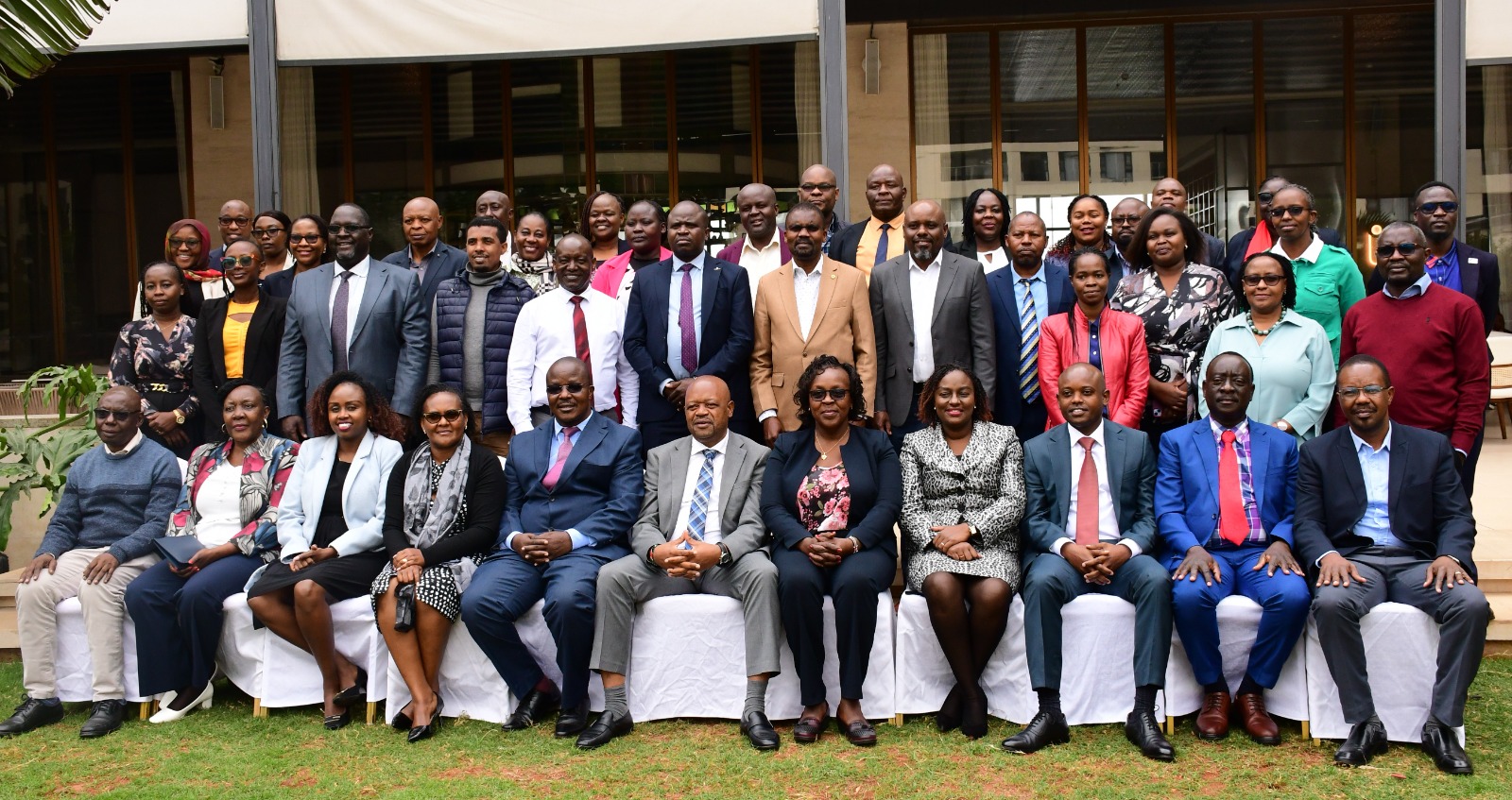
Mbinda was speaking during a National Biosafety Authority (NBA) roundtable engagement with researchers and institutional biosafety committees in Nairobi, where stakeholders discussed opportunities, challenges and emerging trends in biotechnology and ways of strengthening Kenya’s biosafety framework.
According to him, Kenya’s regulatory requirements are among the factors contributing to the low number of biotechnology research projects being conducted in the country. The low number is partly linked to the time and regulatory requirements involved in obtaining approval to conduct even laboratory research.
“Kenya regulates both the research process and the final biotechnology product, unlike some countries where certain laboratory processes are subject to less regulatory intervention and greater oversight is placed on the final product,” he said.
Mbinda revealed that researchers can wait up to 150 days for a permit, without certainty that approval will be granted. The lengthy process can create problems for scientists working with donors whose research funding is tied to strict timelines.
As a result, some Kenyan researchers are looking outside the country to conduct their experiments, sometimes subcontracting parts of their projects to institutions in Europe and Asia, where the regulatory environment is considered more conducive to biotechnology research.
“Most of the donors are asking us that question. 150 days, and yet I’ve already given you the money. What will you be doing all through?” he said.
Mbinda said this means Kenya is losing opportunities to build local scientific capacity and train the next generation of researchers, as some externally funded projects are outsourced to institutions abroad, sending research funding back to Europe and Asia instead of strengthening local laboratories and expertise.
He said the situation is concerning given the growing economic stakes in biotechnology, with countries around the world increasing investment in the sector. He estimated the global economic value of GM biotechnology at about US$4.3 trillion and projected that this could rise to about US$30 trillion by 2050, underscoring the urgency for Kenya to position itself to capture a greater share of the emerging opportunity.
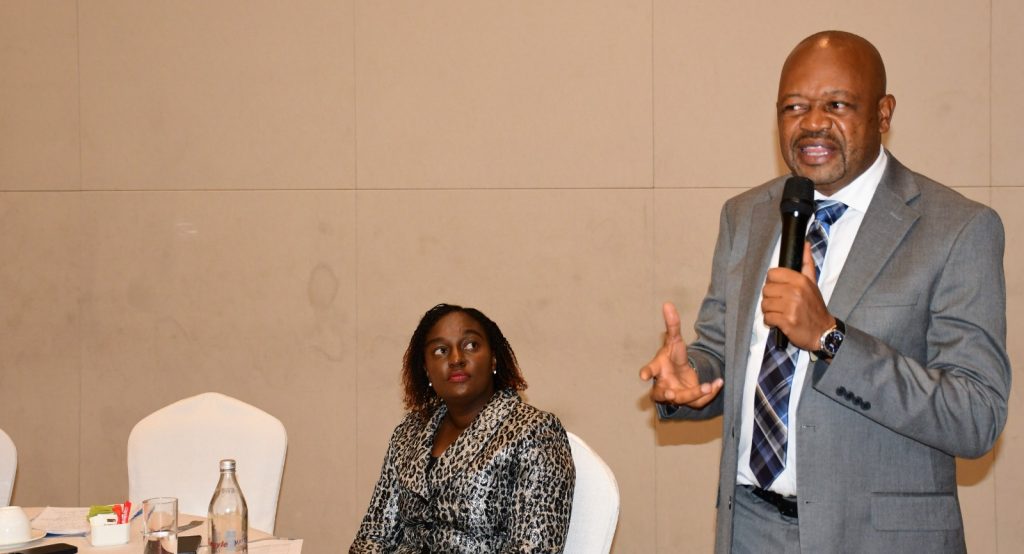
The concerns are surfacing when the National Biosafety Authority (NBA) begins reviewing the Biosafety Act, which was enacted in 2009. According to David Wamatsi Omusotsi, NBA board of director’s chairperson the review is necessary because biotechnology has evolved significantly since the law was developed, with emerging technologies such as genome editing raising new regulatory questions.
“The review seeks to create a biosafety framework that is science-based, transparent and responsive to the needs of researchers while maintaining safeguards for human health, animal health and the environment,” he said.
The review comes as Kenya records growing interest in genome editing, with the Authority having approved nine genome-editing projects to date. According to the chairman, the projects have the potential to improve agricultural productivity, disease resistance, nutrition and resilience to climate change.
The review could have significant implications for Kenya’s biotechnology sector as researchers increasingly explore technologies beyond conventional genetic modification.
“Science is moving rapidly. Genome editing and other emerging technologies will continue to create new opportunities as well as new regulatory questions,” Omusotsi said.
Scientists at the meeting also called for a regulatory system that maintains safety standards without unnecessarily slowing down scientific research. Additionally, they called for a shift towards regulating the final products rather than the research processes, as is currently the case, arguing that this would reduce unnecessary regulatory burdens while still ensuring that biotechnology products meet required safety standards.
“We need to look at how we can regulate the product rather than the process, because regulating every stage of research can create unnecessary barriers to innovation,” said Erick Magembe of the International Potato Center (CIP).
Kenya according to Mbinda has scientists and institutions needed to become a stronger biotechnology hub but needs to make its regulatory environment more attractive. The NBA, meanwhile, said strengthening biosafety is a shared responsibility involving the regulator, research institutions, universities, scientists and Institutional Biosafety Committees.
Dr. Ann Karimi, NBA acting Chief Executive Officer, said that researchers and institutions are central to ensuring approved biotechnology projects are implemented safely and in accordance with regulatory requirements.
“This is why we have decided to be having these formal engagements with you people so that we can strengthen dialogue between the board, as the authority’s governing body and the institutions and researchers whose work we regulate,” said Dr. Karimi.
According to her, as science continues to evolve, so must the relationship between the regulator and the research community. The reason is, their shared responsibility is to maintain a regulatory environment that assures safety, supports responsible innovation and responds to emerging scientific developments.
“This engagement therefore provides an opportunity to listen, learn and address the practical experiences of those implementing approved projects. We value your insights and look forward to an open, constructive and forward-looking discussion,” she concluded.