By Milliam Murigi
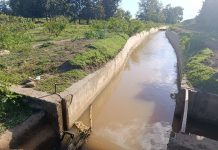
For more than five decades, the massive Muri Farm dam in Ndithini Ward, Masinga Sub-County, Machakos County has stretched across the dry landscape like a cruel reminder of a promise never fulfilled.
The water was there. Life-saving, drought-defying water. But the people living around it could barely touch it.
The dam’s waters were untreated and dangerous. Hippos and crocodiles prowled beneath the surface, turning every attempt to fetch water into a gamble with death.
So when drought tightened its grip on the area, residents abandoned the vast three-kilometre-long water body beside them and walked more than 10 kilometres in search of safer and more reliable water sources.
“We had water, but we could not use it,” says Daniel Nzioki, Muri farm resident as well as a member of the Ward Climate Change Planning Committee. “The dam was near us, yet our people still suffered every dry season.”
For years, the contradiction defined life in Muri Farm a community surrounded by water but trapped in thirst. Then came a rare opportunity. Under the Financing Locally-Led Climate Action (FLLoCA) programme, a national initiative that channels climate funds directly to counties and communities to support locally identified adaptation priorities, residents were asked to identify their most urgent climate adaptation project.
They did not hesitate. They said they wanted water taken to their homes. Today, the transformation is already unfolding. With funding from the FLLoCA programme, the Machakos County Government has initiated a major water project designed to pump, treat and distribute water from Muri Farm dam to surrounding villages.
The project has already seen the installation of a solar-powered pumping system, including 62 solar panels each producing 710 watts of energy to run the pumps. Engineers have also laid a 2.5-kilometre pipeline connecting the dam to a rehabilitated water treatment plant that had remained neglected for years.
At the treatment plant, residents now queue to fetch clean water as they await the final phase that will see piped water distributed directly to homes. During our visit, Felister Nzisi David arrived carrying an empty container.
Minutes later, she walked away smiling, her jerrycan filled with clean water fetched just a short distance from her home. For years, she says, finding water meant exhausting journeys across dry terrain.
“Now water is near us,” she says softly. “We no longer walk long distances like before.”
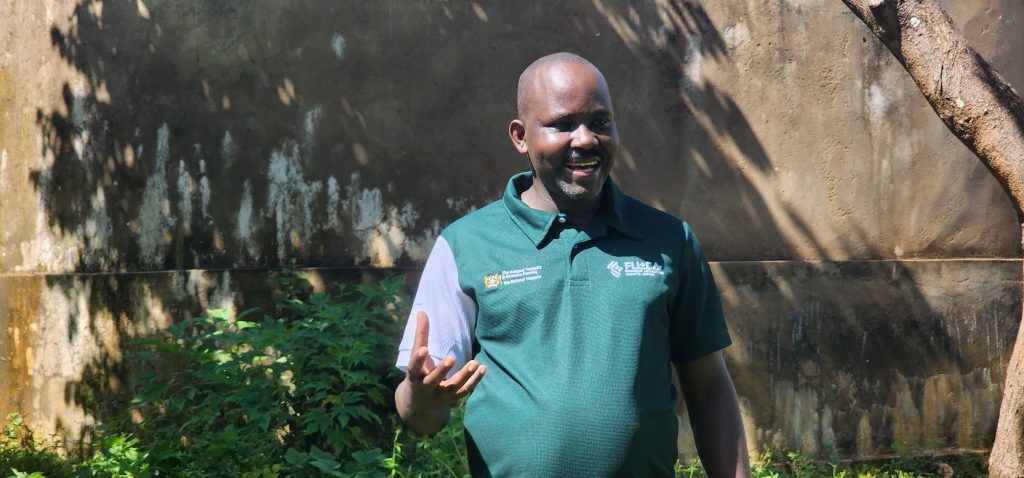
According to Dan Adino, Social Safeguards Specialist under the FLLoCA programme, the project reflects the true spirit of locally-led climate action — solutions shaped not in distant offices, but by communities that live with the harsh realities of drought and water scarcity every day.
He says the project demonstrates how climate financing can directly change lives when communities are allowed to decide the solutions that matter most to them.
From the solar-powered pumping system at the dam to the rehabilitation of the long-abandoned treatment plant, Adino says every stage of the project was informed by the struggles residents have endured for decades in accessing clean and safe water.
“This dam has been here for the last 50 years, but the community was not benefiting from it,” he says. “FLLoCA gave the community the opportunity to choose the investment they wanted, and they prioritized water because they understood their own challenges.”
Once complete, the project is expected to benefit more than 8,000 households, the majority of them women who have historically borne the burden of searching for water. Currently,
For sustainability, the project will include metered household connections, while a community water kiosk will serve residents unable to afford direct connections. Nzioki says the goal is to ensure no family is left behind.
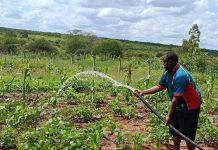
Beyond domestic use, the project is also expected to support irrigation farming in a region increasingly battered by erratic rainfall and prolonged drought.
Adino says such investments are becoming increasingly critical as climate shocks intensify across vulnerable communities, pushing local systems to their limits and making resilience-building efforts not just necessary, but urgent for sustaining livelihoods.
According to him, adaptation is no longer a distant policy goal but an immediate reality for communities grappling with the impacts of climate change.
He emphasizes that true resilience lies in enabling people to adjust how they live and work as well as investing in systems that can withstand increasingly erratic weather patterns and prolonged climate stress.
“We are focusing on adaptation because local communities are the most affected by climate change,” Adino says. “We need more financing towards climate action so communities can build resilience and survive harsh climate conditions.”