By Milliam Murigi
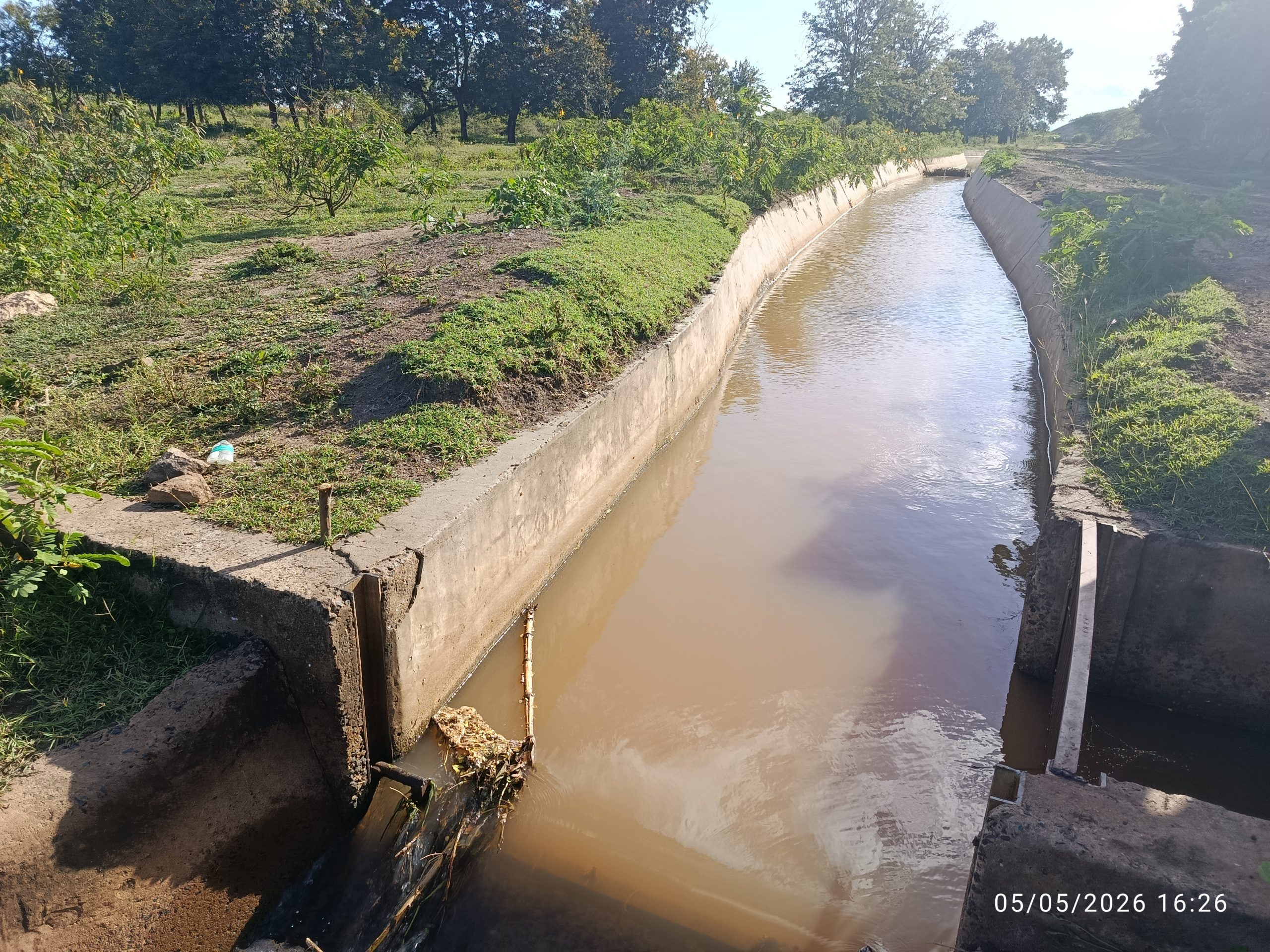
For decades, the Yatta canal has carried more than water across the dry plains of Machakos County, southeastern Kenya. It has carried the survival of thousands of families.
Stretching nearly 58 kilometres from the Thika River across the vast Yatta Plateau, the colonial-era canal has for more than 50 years supplied water to residents of Kithimani, Ndalani and Matuu wards for irrigation, livestock and domestic use.
But by 2025, the lifeline that sustained entire communities was slowly dying. Heavy runoff during rainy seasons had filled the canal with silt, debris and invasive vegetation, choking water flow and cutting off communities downstream.
Only a fraction of the canal remained functional. And as the water receded, so did trust. Farms dried up. Tempers flared. Communities accused one another of diverting water intentionally. What began as a water shortage slowly turned into what residents describe as “water wars.”
“It became a serious conflict. People no longer trusted each other because water was no longer reaching downstream communities. Everyone was frustrated and desperate,” says Joshua Katiku, Chairman, Yatta Canal Rehabilitation Project.
In some sections, frustration spilled beyond words. Downstream youths, convinced that upstream users were blocking water, stormed sections of farmland, damaging irrigation lines and destroying crops in acts of retaliation.
Behind the tensions and accusations were farmers watching their livelihoods disappear. Patrick Nzau was one of them. On his one-acre piece of land, about 15 kilometres from the canal’s source, Nzau once grew leafy vegetables and tomatoes that earned him more than Sh5, 000 (US$39) every week. The farm was his family’s main source of income and allowed him to support his household throughout the year.
But as the canal became clogged with silt and debris, water could no longer reach his section. His vegetables dried up under the scorching sun. Seedlings in his nursery withered before they could be transplanted. By 2026, he had abandoned horticulture altogether and returned to rain-fed maize farming in a desperate attempt to survive.
“I lost all my vegetables and seedlings because water could no longer reach this area. Farming became very difficult because everything depended on the canal water. When it stopped flowing, we were left helpless,” he says.
Three kilometres away, Jeff Mwaura, another farmer was fighting his own battle against the disappearing water. When the canal failed, keeping his six-acre pawpaw farm alive became a daily struggle. Farm workers spent hours carrying water in jerricans to the flowering trees. Even then, they could only manage about half the required amount.
“My orchard has 1,560 trees, and each tree requires nearly 40 litres of water every week. But during the water shortage, we could only manage about 20 litres per tree because workers had to fetch the water from far away using jerricans,” he says.
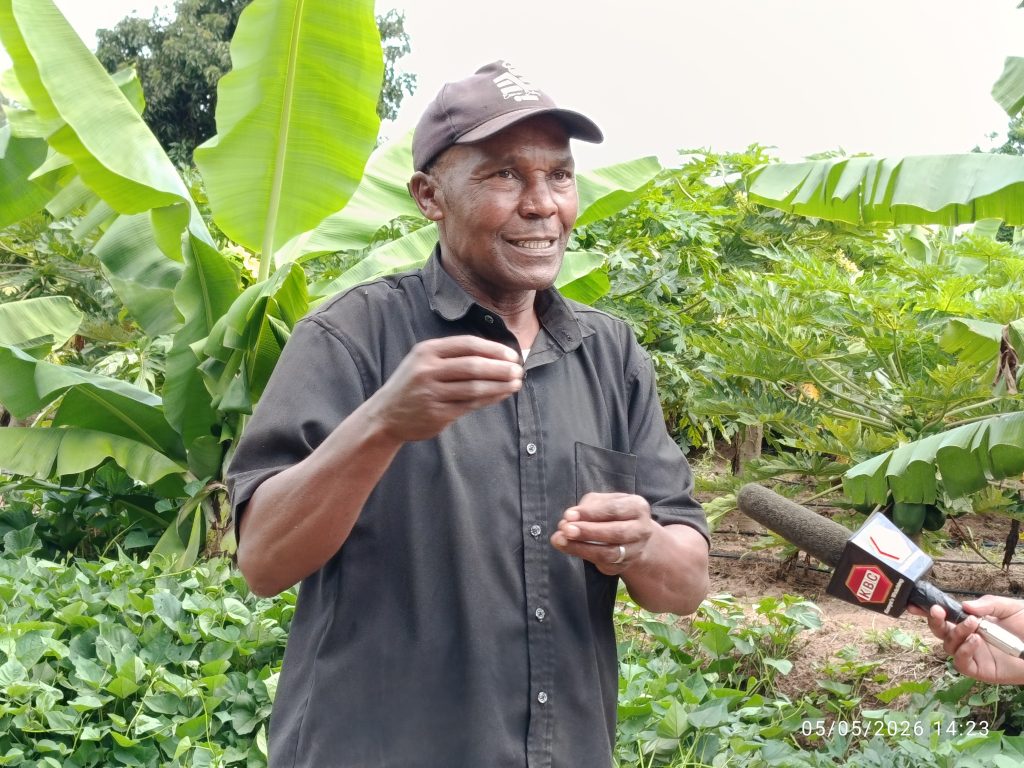
The consequences soon became visible across the orchard. The stressed trees began aborting fruit, while powdery mildew disease spread rapidly through the farm. Flowering delayed and eventually harvests declined.
As the water shortage worsened, farm workers could no longer keep up with the demand by ferrying water manually. Mwaura was forced to buy water delivered by bowsers to keep the orchard alive. The financial burden was immense. Every week, he spent nearly Sh12,000 on water alone in a desperate attempt to sustain the farm.
Today, pumps hum beside the restored canal as water flows directly back into the orchard, bringing life back to a farm that had nearly dried up. The trees are slowly recovering, with fresh flowering now visible in sections that had previously shown signs of severe stress.
“The trees that had delayed flowering are now responding positively. For the first time in months,” he says, “the farm is beginning to breathe again.”
The turnaround began early this year when the Financing Locally Led Climate Action (FLLoCA) programme, in partnership with the Machakos County Government, launched a Sh45 million (US$ 349,403) rehabilitation of the Yatta Canal.
The project involved desilting the canal, restoring damaged sections, reviving blocked cutoff drains and solarising the Yatta water treatment plant. The intervention has transformed what had become a source of conflict back into a functioning lifeline.
“Because of this intervention, today, water flows from the first point of the canal to the very last stretch. Farmers are returning to irrigation. Livestock once again have access to reliable water and homes are receiving treated water for domestic use,” says Dan Adino, Social Safeguards Specialist under the FLLoCA programme.
Beyond restoring water flow, the project has also reshaped how communities interact with the canal. Areas that once experienced tension and suspicion over water access are now witnessing renewed cooperation as farmers along the canal benefit from a more predictable and equitable distribution of water. According to Adino, this shift is already strengthening social cohesion while supporting agriculture and household water security across the region.
The rehabilitation has also had immediate economic ripple effects across the canal belt, with farmers beginning to reinvest in irrigation-dependent agriculture after months of uncertainty. Fields that had been left dry are gradually being brought back under cultivation, while households that previously relied on costly alternatives such as water vendors are now accessing a more stable and affordable supply. The return of reliable water is slowly restoring productivity and confidence in farming systems that had nearly collapsed.
“We are already seeing farmers return to their farms and begin irrigation again. What was once a failing system is now becoming dependable, and that is changing livelihoods on the ground,” says Adino.
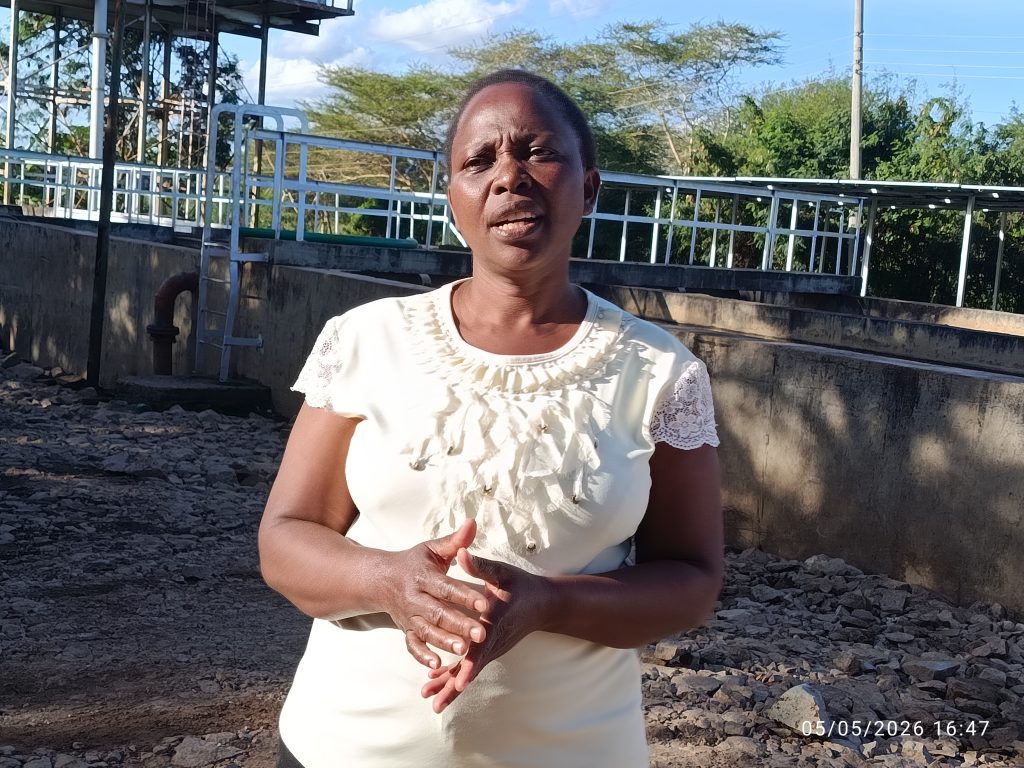
According to Penninah Kivindyo, Technical Manager at Yatta Water Service Company Ltd, the tension and conflict was also felt by domestic users, as the crisis extended beyond farms into urban supply systems. Before the canal was desilted, reduced water flow created severe pressure across the entire network.
Water could not consistently reach the treatment plant, forcing the utility to rely on limited reservoir supplies that were insufficient to meet the growing demand. This resulted in frequent shortages in Matuu town, affecting households, businesses, and essential services, and further heightening frustration among residents who depended on the system for daily survival.
“Before the canal was rehabilitated, we faced serious challenges because water could not reach the treatment plant consistently. This created shortages and conflicts between upstream and downstream users. But now the system is stable again, and both farmers and domestic consumers are benefiting,” she says.
In conclusion, Katiku urges the county government to carry out similar maintenance and rehabilitation exercises regularly to ensure that communities do not slip back into the same situation. He stresses that sustained investment and routine upkeep of the canal is key to protecting the gains already made and safeguarding water access for future generations.