By Milliam Murigi
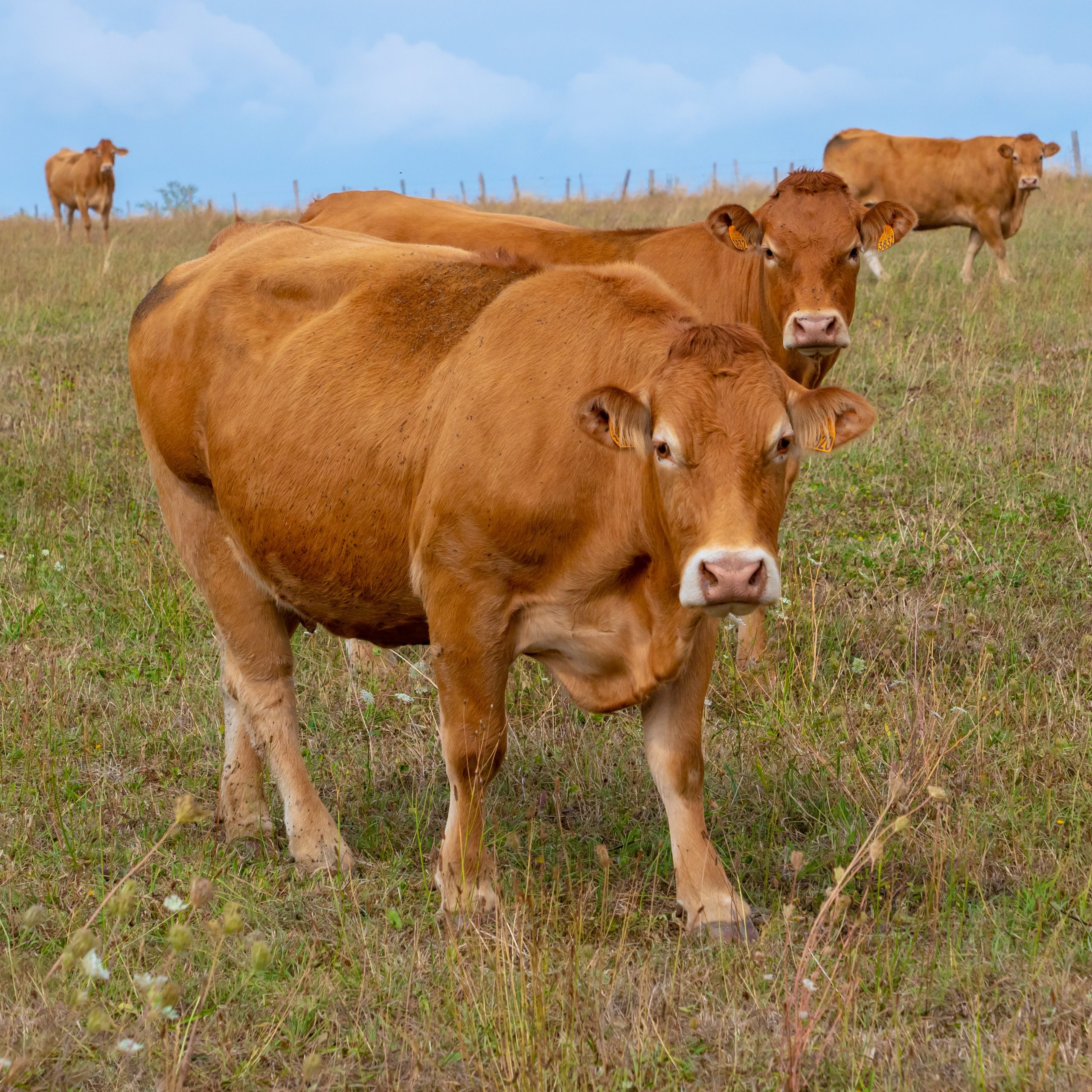
Cattles may be doing more than providing food and income for families in coastal Kenya. They could also be contributing to malaria risk in surrounding communities.
This is according to a new study published on the BMJ Global health journal by 21 researchers drawn from KEMRI-Wellcome Trust Research Programme, Oxford University’s Centre for Tropical Medicine and Global Health and Universitat de Barcelona- Hospital Clinic among others.
An analysis of nearly 6,000 households in Kwale County found that children living in areas with higher cattle densities had greater odds of testing positive for malaria.
The association was strongest when cattle were measured within 400, 500 and 600 metres of a household, suggesting that livestock around a home not just animals owned by the family could influence malaria risk.
“Communities with livestock may be more at-risk of malaria and should be protected with context-specific interventions,” reads part of the report.
The study found that cattle density within 400 metres was associated with 1.63 times higher odds of a child testing positive for malaria. At 500 metres, the odds were 1.84 times higher, while at 600 metres they were 2.04 times higher. Higher cattle-to-human ratios at 500 and 600 metres were also associated with increased odds of malaria infection.
Importantly, researchers did not find a significant association when cattle were assessed simply as a household asset. This suggests that focusing only on whether a family owns livestock may miss the wider environmental effect of animals kept by neighbouring households.
“To better understand the impact of livestock on malaria transmission and potentially develop vector control strategies that account for these impacts, future research should consider animals as an environmental exposure and not only as a household asset,” reads another part of the report.
The researchers say the findings are particularly important because previous studies have produced conflicting evidence about whether livestock can protect people from malaria or instead increase transmission. The protective theory, known as zooprophylaxis, suggests mosquitoes may feed on animals instead of humans. The opposing concept, zoopotentiation, suggests livestock can increase mosquito populations and malaria transmission.
The new research takes a different approach by treating cattle as an environmental exposure and examining their presence around households, including animals belonging to neighbours. The researchers say this spatial approach may help explain why previous studies have reached different conclusions about livestock and malaria.
“To our knowledge, this is the first study to use an environmental epidemiology approach to address the relationship between livestock and malaria transmission,” reads part of the report.
The researchers suggest that the presence of cattle could influence malaria risk because some malaria mosquitoes feed on animals. Livestock may provide mosquitoes with alternative blood sources and could potentially influence mosquito populations and their behaviour around human settlements. The study therefore adds another dimension to the relationship between livestock keeping and malaria.
However, the authors caution that the findings do not establish that cattle directly cause malaria transmission. The study measured malaria prevalence rather than malaria incidence and did not include entomological data to demonstrate how livestock affected mosquito populations. The researchers also studied cattle rather than other livestock such as goats, sheep, pigs or poultry.
“Having malaria prevalence as the outcome makes it impossible to reach any conclusions about transmission from these findings,” reads part of the report.
The timing of the research is another limitation. The data were collected before the short rains, meaning the findings cannot be directly applied to the long rainy season, when most malaria transmission occurs. The researchers therefore say the findings should be interpreted cautiously and need to be tested through further studies.
Despite these limitations, the researchers say the findings provide a foundation for investigating livestock as part of the wider environmental conditions that shape malaria risk. They argue that communities where livestock keeping is common could benefit from malaria interventions that take the presence and concentration of animals into account.
“Livestock is not only a household asset but also an environmental factor determining vector dynamics,” reads part of the report.