By Sharon Atieno Onyango
With more than 5,000 lives lost due to road crashes in 2025 in Kenya, rethinking the transport system is crucial to reduce these incidents.
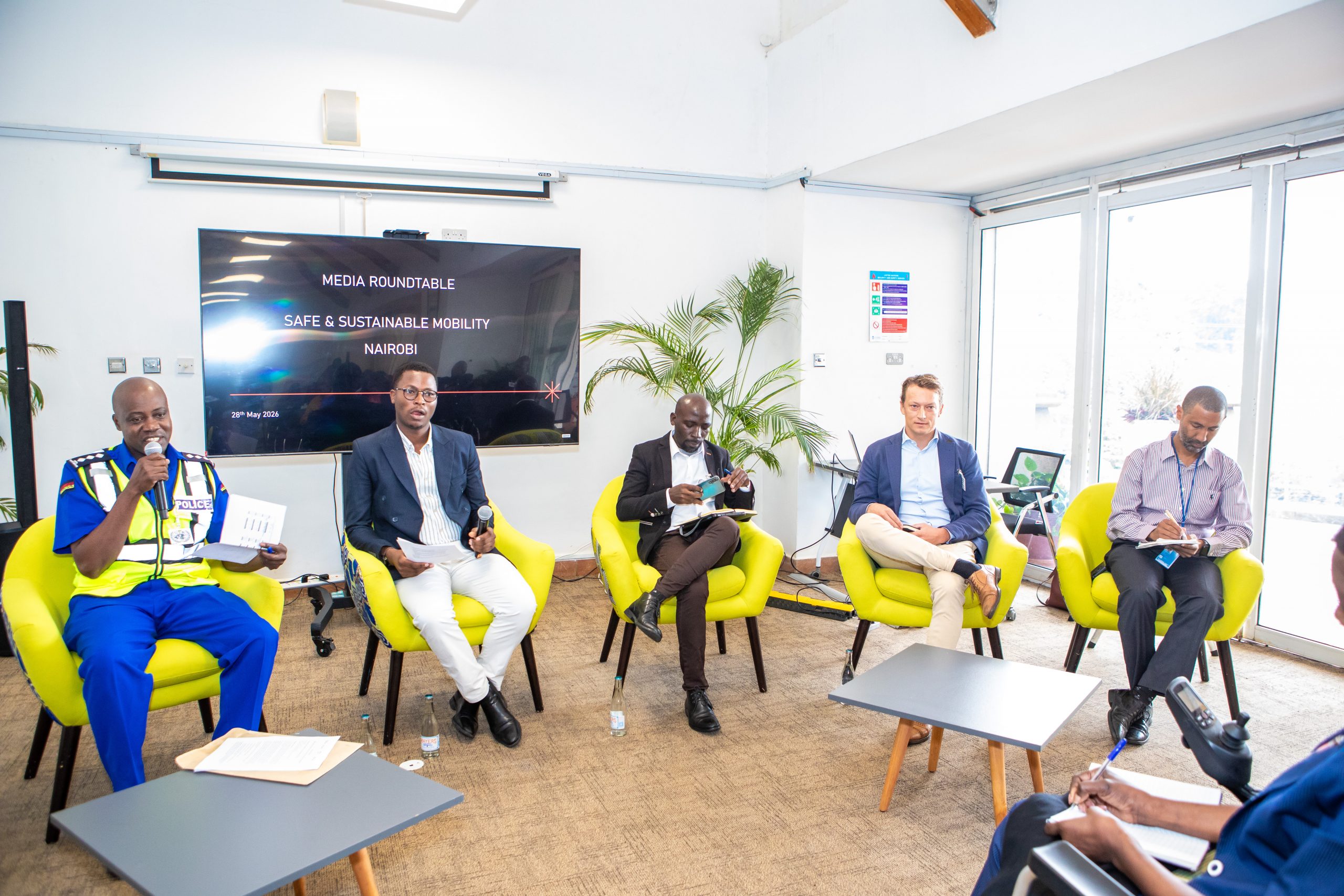
Experts said during a Media Roundtable on Safe and Sustainable Mobility convened by the United Nations Environment Programme (UNEP) in collaboration with Vital Strategies.
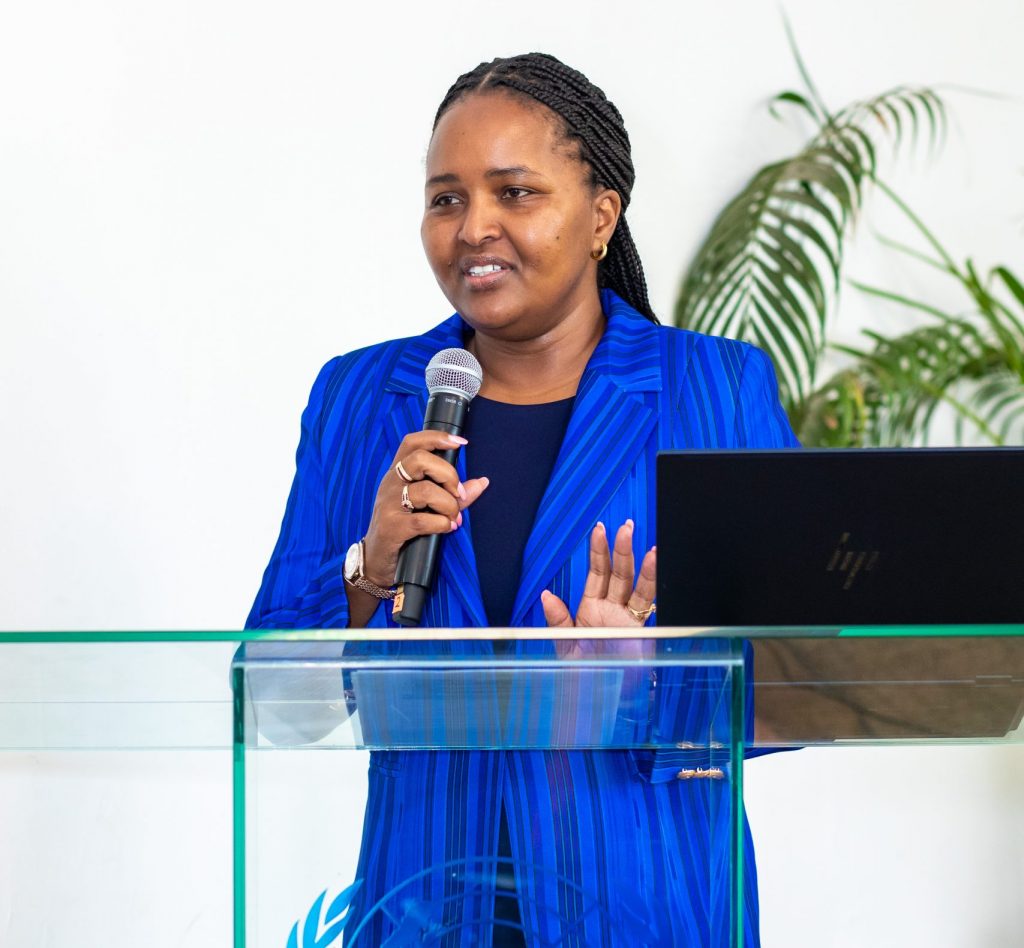
Highlighting the country’s infrastructure inequality, Hon. Naisula Lesuuda, Member of Parliament (MP), Samburu West noted that urban planning has mainly prioritized vehicles at the expense of people.
“We have designed our cities for vehicles alone, rather than designing them for people,” she said, noting that the most vulnerable including children, women and persons with disabilities are most exposed to dangerous infrastructure as a result.
Stressing that safe and sustainable mobility should be a primary urban issue, Hon. Lesuuda said: “The truly modern society is not measured only by the height of its buildings or the multi-lane size of its highways. It is measured by how safe and how equally its most vulnerable citizens can move through everyday life.”
In this regard, she mentioned that she has tabled a new bill in Parliament titled “Non-motorised Transport bill” which has reached its second reading. The bill focuses on three core pillars.
One of the pillars is prioritizing non-motorised transport (NMT) system through national legislation that can be adopted by various counties, cities and towns across Kenya. It also mandates collaboration among road infrastructure agencies, government entities, and experts from conservation and private sectors to develop long-term solutions, supported by extensive transport research and dedicated NMT services. This addresses the need for integrated planning that considers all road users.
Additionally, the Bill aims to boost Kenya’s climate change mitigation efforts by aligning infrastructure with a long-term pathway that encourages walking and cycling, thereby reducing carbon emissions. It will also ensure tree planting, acknowledging the environmental impact of road construction.
On his part, Dr. Andrew Kiplagat, Director, National Transport and Safety Authority (NTSA), noted that because human error is the leading cause of most crashes, there is need for a system that can anticipate and mitigate these mistakes.
Dr. Kiplagat noted that the safe system approach involves safer infrastructure, effective enforcement and coordination of activities among different sector players.
He stressed that road safety requires collective action and is not the sole responsibility of government.
“Let’s continue partnering both state and non-state actors. Let’s hold government accountable,” he said. “Let’s frame these issues to the public, so that then the public can also take their role in also pushing for more change or more interventions that ultimately protects lives and sees these numbers come down.”
Similarly, Constant Cap of UNEP’s Sustainable Mobility Programme underscored the importance of aligning urban mobility with Vision zero – a global strategy aimed at eliminating all fatalities and severe injuries- by placing the safe system approach at the centre.
“Traditionally, we have viewed user behaviour as the biggest problem. However, the safe system approach recognizes that road users behave differently and that the transport system must be designed with those differences in mind,” he said, noting that it is essential to create road environments that accommodate all users.
He explained that this approach focuses on five key pillars: safe roads and road infrastructure, safe speeds, safer vehicles, safe road users, and effective post-crash response and care.
Mark Ojal, urban mobility and disaster resilience expert, UN Habitat, noted that with a bigger population of people walking, there is need for a people-centred approach to urban mobility.
According to Ojal, creating safe spaces for people to move around is crucial for encouraging them to use active transport like cycling and walking, especially given that only a small percentage of the population drives cars.