By Milliam Murigi
Kenya is set to host the Africa’s inaugural green investment forum later this year as the country ramps up efforts to attract climate financing.
The high-level forum will bring together governments, private investors, development partners, philanthropies, civil society organizations, research institutions and United Nations (UN) agencies from across the continent and beyond.
It aims to mobilize more than USD $50 billion in green investment commitments to support climate-resilient and low-carbon development projects across the continent.
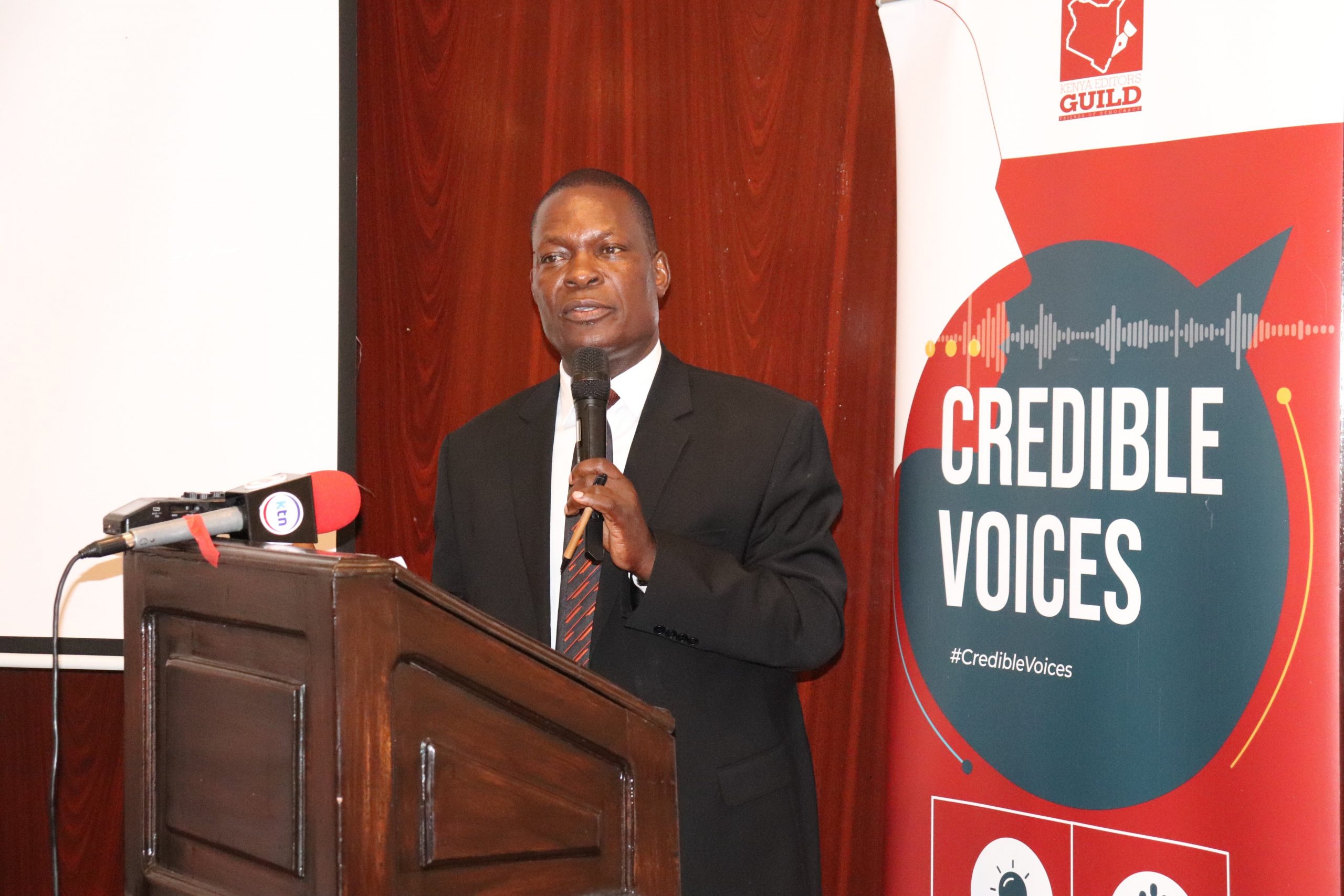
“The conference will serve as a continental platform for mobilizing climate capital, innovation and strategic partnerships. It will focus on unlocking investments that support low-carbon and climate-resilient development,” says Peter Odhengo, Head of Climate Finance & Green Economy Unit, National Treasury and Economic Planning.
The forum, whose theme is “Unlocking Scalable Green Investments for a Low-Carbon and Resilient Future,” is organized by the National Treasury’s Climate Finance Department alongside the Ministries of Environment, Energy and Foreign Affairs.
According to Odhengo, the event is designed to position Kenya as a leading regional center for climate finance, green investments and technology transfer, building on the momentum created by the inaugural Africa Climate Summit hosted in Nairobi in 2023.
Africa continues to face a significant climate financing gap despite being among the regions most affected by climate change impacts such as droughts, floods and food insecurity. The continent currently receives only about five percent of global climate finance flows, a situation he said continues to undermine investments in climate adaptation and mitigation projects.
The conference, he said, is intended to help bridge that financing gap by making African countries more attractive to investors.
“As a continent and as a country, we are not there to ask for aid. We are there to make ourselves attractive so that we attract investments,” he said.
Odhengo further observed that the global climate finance landscape is rapidly changing, with donor funding and public financing declining in recent years.
According to him, climate financing is increasingly shifting toward private sector investments and philanthropic organizations.
“The public finance is declining,” Odhengo said. “If you want climate funding from governments and international organizations, that portfolio has gone down. Where the money now is for climate action is private sector finance and philanthropic organizations.”
He described the conference as an “Africa Davos” for climate investments, noting that the government wants to create a long-term platform capable of attracting investors and major global institutions into Africa’s growing green economy.
The conference according to him, will focus on striking investment deals and partnerships rather than depending on grants, reflecting the changing global climate finance landscape.
“It is no longer about grants. It is business. We want to create opportunities that attract investments,” Odhengo added.
Kenya also plans to use the forum to unveil a proposed Green Investment Facility that is currently under development.
The facility, which is still at the conceptualization stage, is expected to provide concessional financing for climate-related projects and green enterprises.
It is intended to address gaps within the current commercial banking system, which often are unable to effectively deploy concessional climate financing to vulnerable groups and small businesses.
He explained that climate funds targeting vulnerable communities require affordable lending structures that traditional banks may not be able to provide without disrupting commercial markets.
“This facility will ensure that resources meant for vulnerable communities and green investments do not become expensive or inaccessible at the last mile,” he said.