By Milliam Murigi
Kenya’s transition towards a green and sustainable economy has received a major boost following the unveiling of a 5.4 million euro (Kshs.811 million) programme by the European Union (EU) and its partners.
The initiative is designed to support Micro, Small and Medium Enterprises (MSMEs), accelerate the creation of green jobs and strengthen efforts to address the country’s growing waste management challenges.
Dubbed “Tujenge Pamoja” (Let’s Build Together), the project under the EU SWITCH Africa Green Programme is expected to accelerate Kenya’s shift from the traditional “take-make-dispose” economic model to a circular economy built on repair, reuse and recycling.
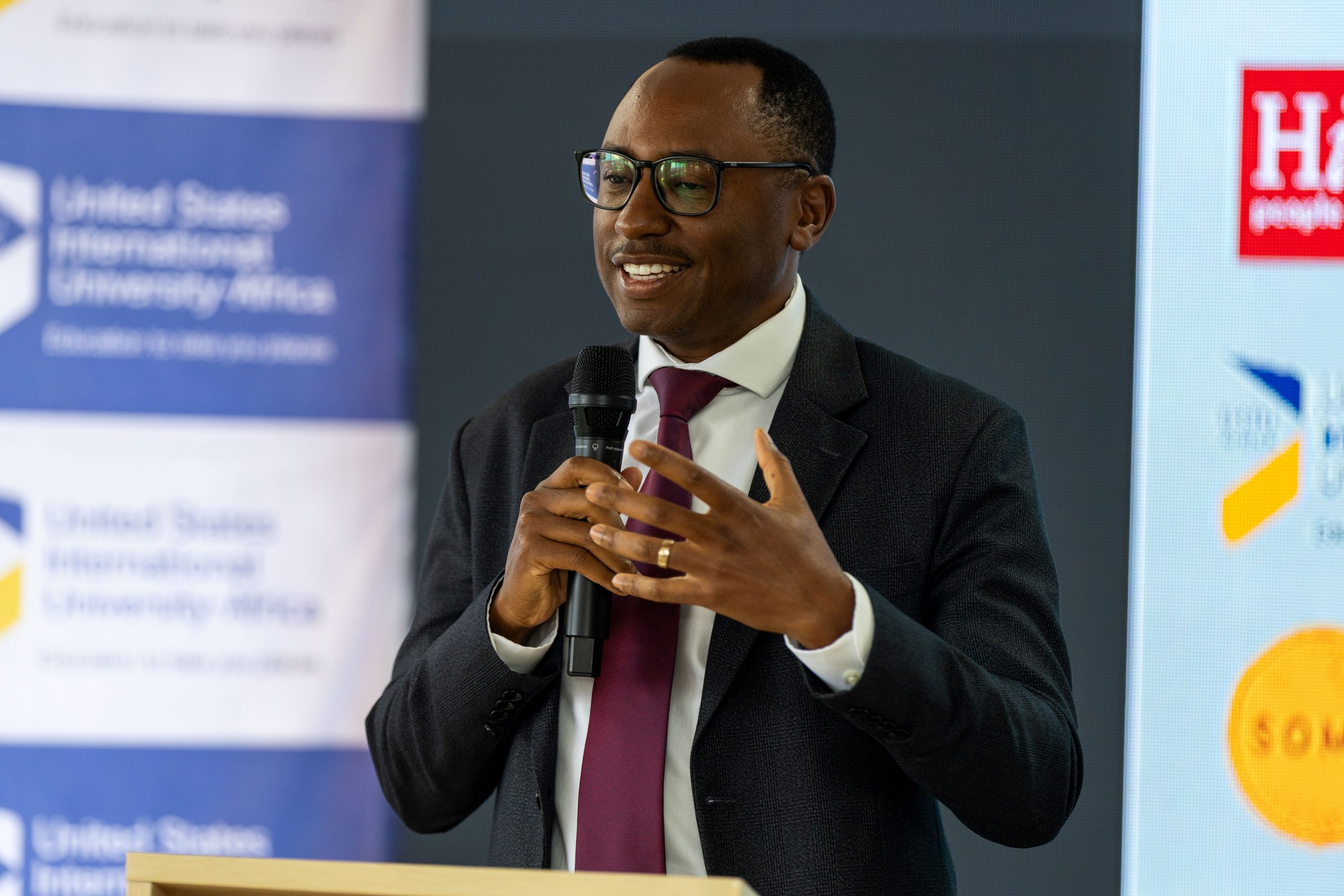
“This programme comes at a critical time when Kenya is facing mounting environmental challenges linked to rapid urbanization, rising consumer waste, plastic pollution and increasing textile waste from second-hand clothes,” said Kennedy Mugochi, Hivos Regional Director for East Africa.
The four-year project is being implemented through a partnership involving Hivos, the Kenya Private Sector Alliance, KCB Foundation, Somo and United States International University-Africa.
According to Mugochi, the initiative is designed to help businesses become more sustainable while also unlocking economic opportunities for young people and women. It will support 3,200 MSMEs to adopt circular business models and environmentally sustainable production methods.
It will also strengthen 40 Business Support Organisations and Technical and Vocational Education and Training (TVET) institutions to serve as innovation hubs for enterprises operating in the circular economy space.
“The initiative is expected to create green jobs, especially for women and youth, while reducing waste streams and greenhouse gas emissions,” said Mugochi.
Businesses involved in plastics recycling, organic waste management and sustainable textiles are among those expected to benefit from training and technical support. The programme is also expected to improve access to green financing through catalytic funding mechanisms targeting entrepreneurs operating in the circular economy sector.
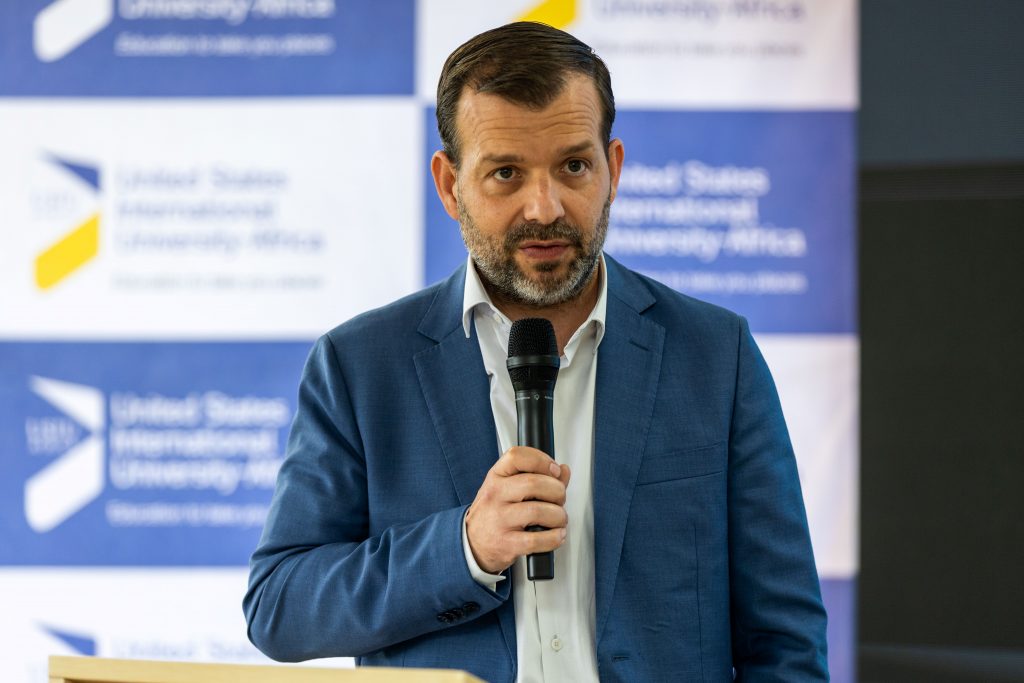
Speaking during the launch, Romero Rodrigo, Programme Manager for Green Economy and Sustainable Business at the EU in Kenya said that the project reflects a growing global shift where businesses and trade are increasingly becoming drivers of economic transformation as development aid continues to shrink.
“Micro, small and medium enterprises are at the heart of Kenya’s economy, yet many continue to face limited access to finance, technical capacity gaps and weak market systems,” he said.
Rodrigo urged county governments to align policy and implementation frameworks in ways that remove barriers facing circular enterprises and create a stable environment for green businesses to grow.
He noted that companies investing early in circular design such as repair, reuse and high-quality recycling are likely to gain a competitive advantage in emerging international green markets.
“Impact, profit and growth can go together,” Rodrigo said, challenging businesses and entrepreneurs to develop bankable circular economy models and prepare investment-ready proposals capable of attracting financing and scaling up operations.

According to Dr. Jackson Koimbori, Senior Circular Economy and Climate Change Coordinator at KEPSA, the programme will begin with a nationwide mapping exercise to identify enterprises already operating within the circular economy space before taking them through intensive training to make them market-ready.
After the mapping and training phases, 150 businesses identified as having strong growth potential will receive catalytic grants ranging from 20,000 to 50,000 Euros (KSh.3M- 7M), to help expand their operations.
“The support businesses will be receiving is in the form of grants and not loans, and is intended to strengthen enterprises and enable them to grow sustainably without the burden of repayment,” said Koimbori.
The programme will initially focus on eight counties including Nairobi, Kiambu, Machakos, Makueni, Nakuru, Mombasa, Kwale and Kilifi areas that have been heavily affected by waste management challenges, particularly plastic waste and second-hand textile disposal.
The programme also seeks to formalize informal waste enterprises that have traditionally operated outside mainstream financial systems, making it difficult for them to access financing and investment opportunities.
Although many targeted enterprises currently operate informally, applicants seeking support under the programme according to Koimbori will still be required to provide proof of existence through business registration documents, county permits or evidence of tax compliance.
Circular economy model is increasingly gaining attention globally as countries search for ways to reduce waste, lower greenhouse gas emissions and create sustainable jobs.
Unlike the traditional linear economy where products are discarded after use, a circular economy promotes extending the life cycle of products through repair, reuse, recycling and regeneration.
For Kenya, where youth unemployment and environmental degradation remain major concerns, supporters of the programme believe the initiative could provide an opportunity to simultaneously tackle waste management and create livelihoods.
The project aligns with Kenya Vision 2030 and Kenya’s commitments under the Paris Agreement on climate change. It also contributes to the achievement of Sustainable Development Goals on decent work, responsible consumption and climate action as Kenya intensifies efforts to build a greener and more resilient economy.