By Grace Awuor Otieno
For communities across the Sahel, where degraded land, drought and food insecurity continue to threaten livelihoods, restoring the land is becoming an increasingly important part of building resilience.
Across Burkina Faso, Chad, Mali, Mauritania and Niger, the Sahel Integrated Resilience Initiative has rehabilitated more than 335,000 hectares since 2018, benefiting more than four million people through efforts to improve agricultural production, livelihoods and food security. The initiative is now targeting 470,000 hectares by 2030.
The initiative was recognized as a World Restoration Flagship during a high-level event at the 17th session of the Conference of the Parties to the UN Convention to Combat Desertification (UNCCD COP17) in Ulaanbaatar, Mongolia.
The recognition is part of the UN Decade on Ecosystem Restoration, led by the UN Environment Programme (UNEP) and the Food and Agriculture Organization of the United Nations (FAO).
“The impacts of climate change, drought and desertification, as well as ongoing geopolitical tensions, are hitting global food systems hard,” said Inger Andersen, Executive Director of UNEP.
“Investing in healthy land is one of our strongest defenses against these threats.” Andersen said the three initiatives recognized by the UN demonstrate how restoring ecosystems can deliver benefits including food security, jobs and greater resilience for millions of people.
The initiative is taking place as food insecurity remains a major challenge in the region. An estimated 7.4 million people are projected to face crisis-level or worse food insecurity during the June-August 2026 lean season across the Sahel.
“Land degradation is not irreversible,” said Kinday Samba, Regional Director for Western and Central Africa at the World Food Programme (WFP), calling for greater investment to expand restoration efforts and build lasting resilience.
For Samba, the significance of restoring the land extends beyond the environment. “By transforming degraded watersheds into productive land, we are restoring not only ecosystems, but also livelihoods and human capital,” she said, describing this as a foundation for long-term food security and resilience across the region.
Monitoring of restoration sites is showing improvements. Satellite-based data indicates that 75 percent of WFP resilience sites have recorded improved soil and vegetation conditions, while participating households have maintained or improved their food security. The proportion requiring humanitarian assistance has also declined by about 11 percent during the lean season.
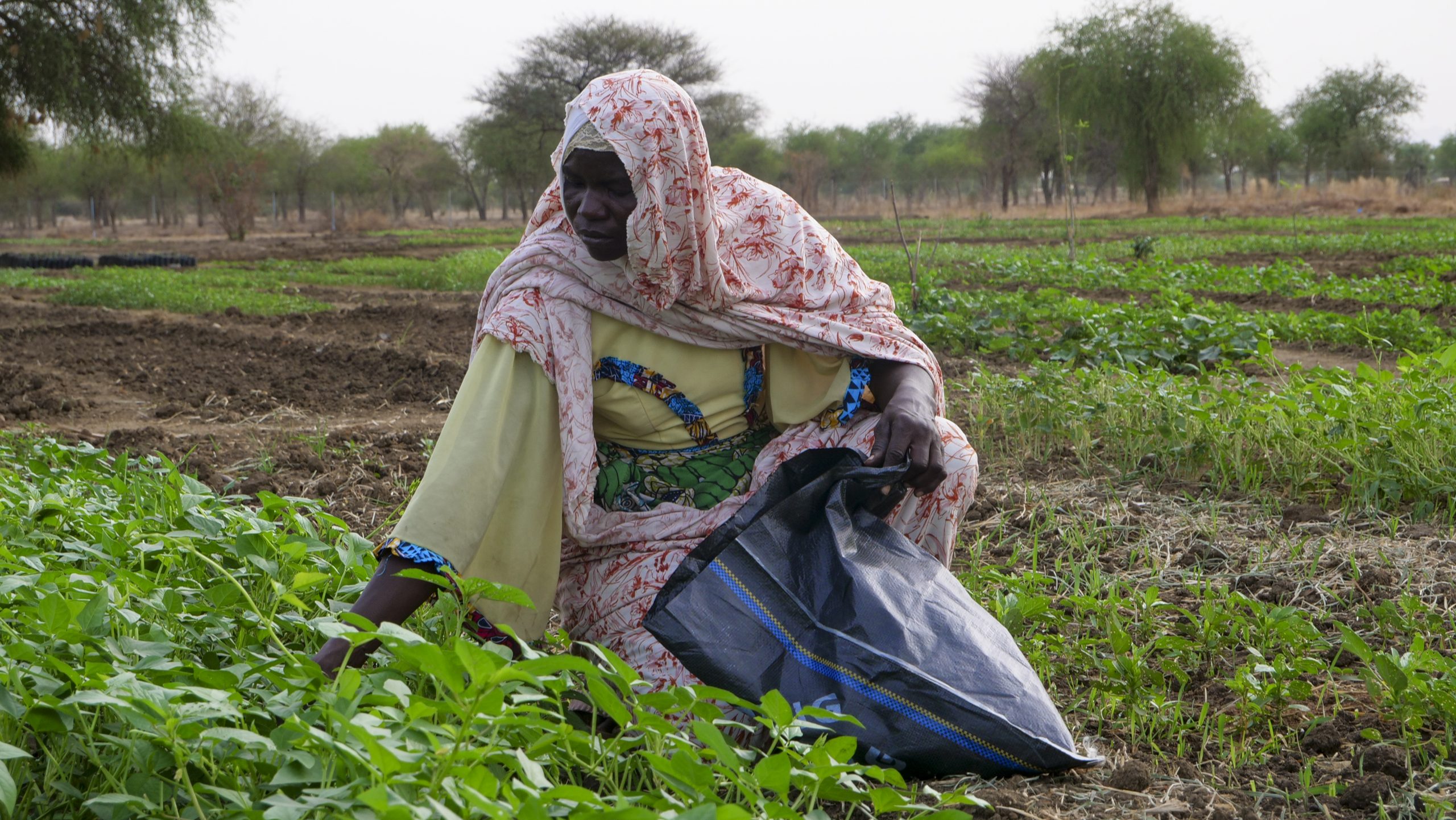
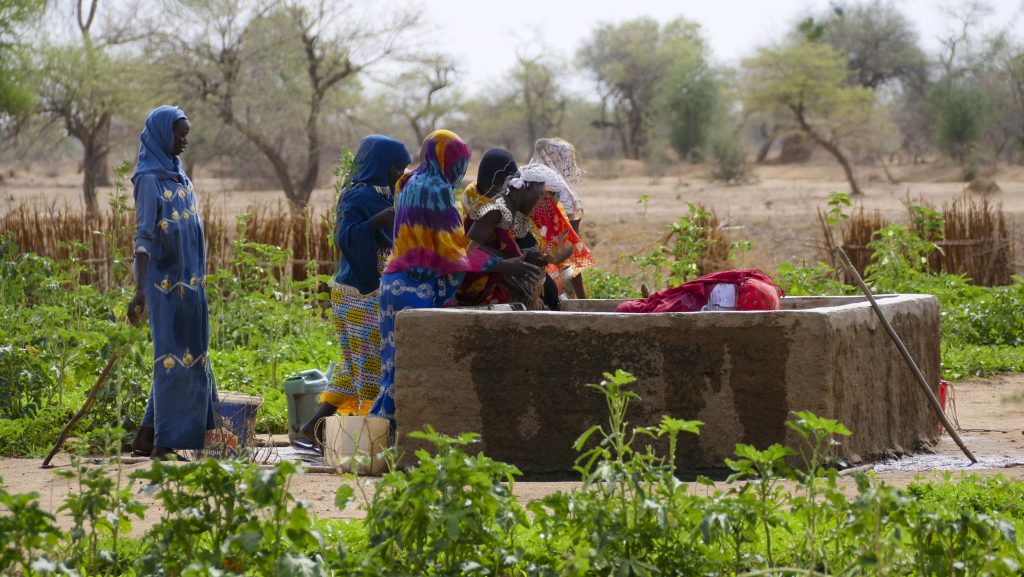
The initiative combines land rehabilitation with measures designed to help communities cope with the pressures they face. These include water-harvesting infrastructure, agroforestry, wetland restoration, zai pits, stone bunds and the planting of native species to improve soil fertility, water retention and vegetation cover.
The programme also incorporates school feeding, nutrition interventions and livelihood opportunities, linking ecosystem restoration with the immediate needs of communities affected by drought, conflict and climate shocks.
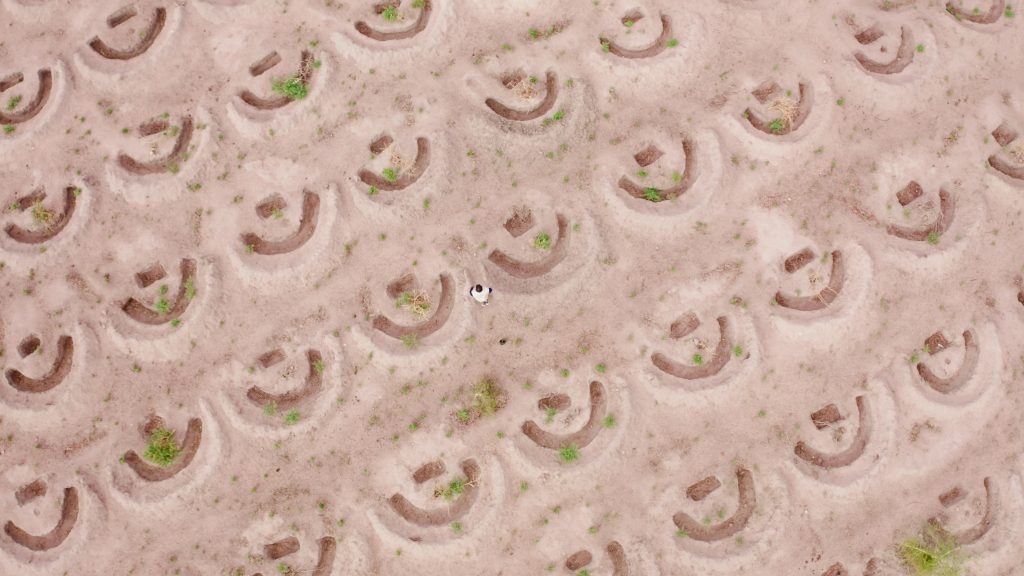
Chad provides an example of how these interventions are being implemented. More than one million people were reached in 2025 across 313 villages through activities including dune stabilization, soil restoration using stone bunds and the construction of floodwater-harvesting dikes.
“Our lands are under enormous anthropogenic pressure due to intense migratory flows and the effects of climate change,” said Hassan Bakhit Djamous, Chad’s Minister of Environment, Fisheries and Sustainable Development. He described restoration as “a priority, a shared responsibility,” adding that initiatives aimed at restoring the land deserve support.
The pressures are not limited to environmental degradation. The initiative also supports communities affected by conflict, including cross-border refugees from war-torn Sudan, adding a humanitarian dimension to restoration efforts across the region.
By 2030, the Sahel initiative aims not only to restore 470,000 hectares but also to boost biodiversity and lock away up to 20 million tonnes of carbon dioxide, equivalent to avoiding the consumption of almost 47 million barrels of oil.
The Sahel initiative is part of a wider global push to restore degraded ecosystems, with Brazil and Saudi Arabia also recognized as World Restoration Flagships under the UN Decade on Ecosystem Restoration. Together, the three initiatives have committed to restoring almost five million hectares by 2030.
In Brazil, the Araticum Initiative is restoring the Cerrado, a tropical savannah that has lost more than half of its native vegetation following extensive land conversion. More than 27,000 hectares have already been mapped under restoration, with the programme targeting two million hectares by 2030.
Meanwhile, Saudi Arabia’s National Greening Program has brought one million hectares of degraded land under restoration and planted 159 million trees as it works to rehabilitate rangelands, forests, deserts and coastal ecosystems.
For communities across the Sahel, restoring degraded land is therefore becoming more than an environmental intervention. It is increasingly part of the effort to protect food production, rebuild livelihoods and strengthen resilience in a region facing some of the world’s toughest climate and humanitarian pressures.