By Milliam Murigi
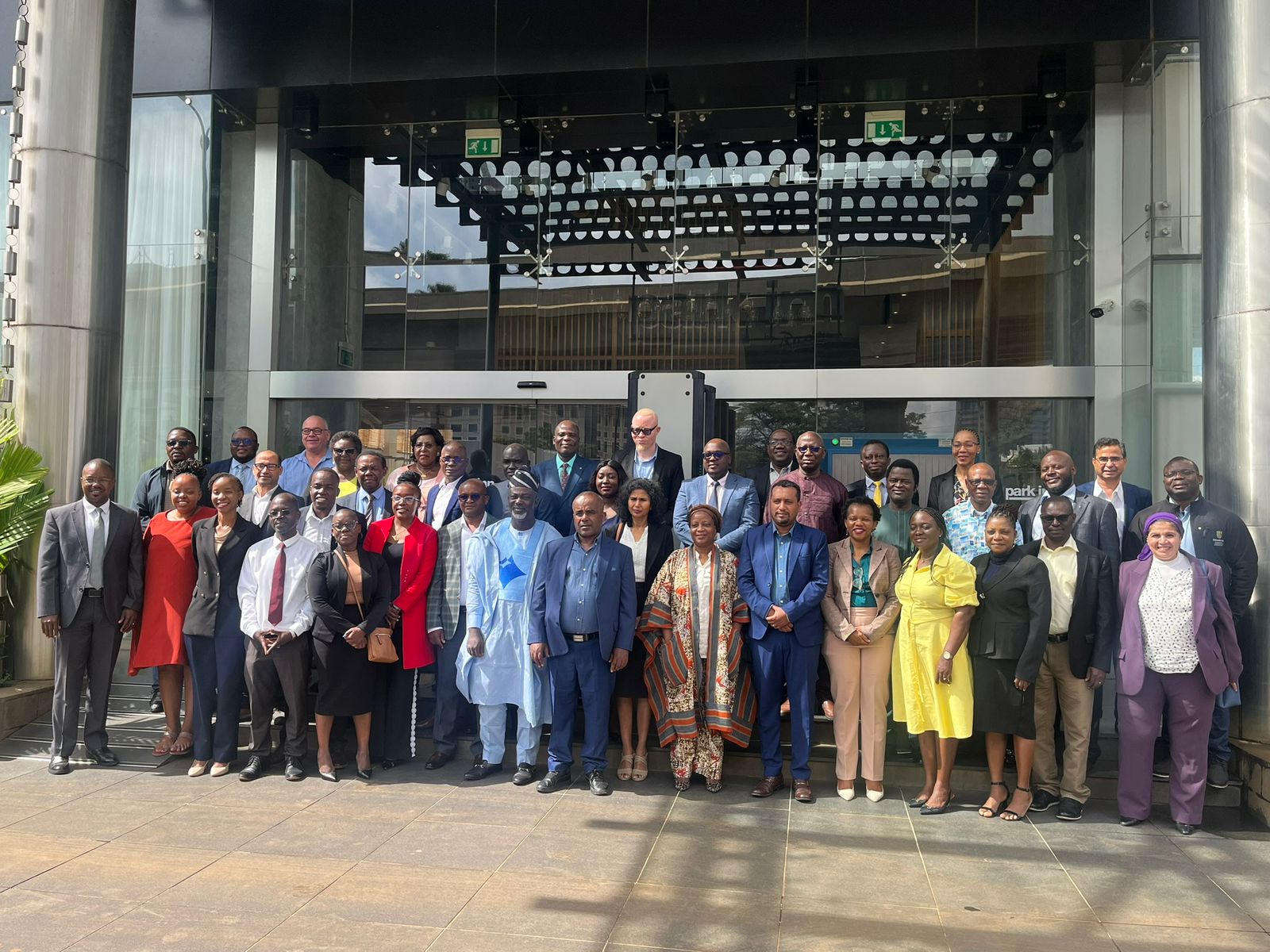
Experts from 16 African countries are meeting in Nairobi, Kenya’s capital, to validate the findings of the African Union Development Agency (AUDA-NEPAD) genome editing landscape exercise.
The workshop is a critical final step to ensure that the data collected during the study period accurately reflects the real situations in each country before it is used to inform continental and national decision-support systems.
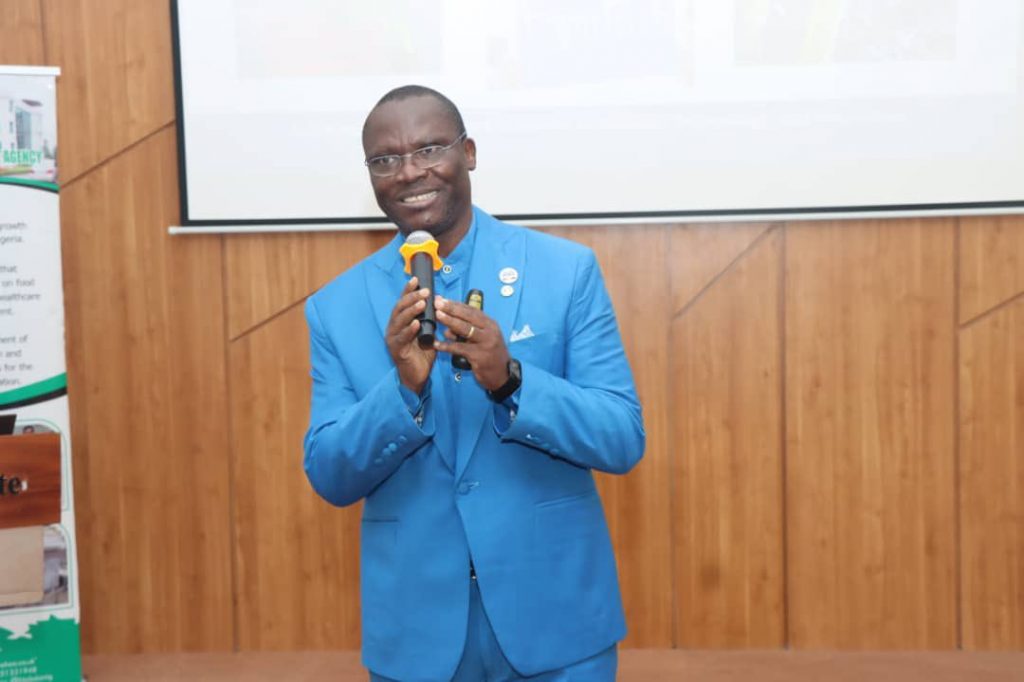
“I sincerely thank each of you for prioritizing this critical convening. Validation of the outcomes will ensure the collected information and data are accurate and reflect true situations in each specific country to inform development of decision support systems,” said Prof. Olalekan Akinbo, Head of the Genome Editing Programme at AUDA-NEPAD.
Genome editing (GEd) also referred to as gene editing, is an emerging biotechnology that allows scientists to make precise, targeted changes to an organism’s DNA without necessarily introducing a foreign gene.
It enables them to add, remove, or modify specific genes to improve desirable traits such as disease resistance, drought tolerance, pest resistance, or higher productivity in crops and livestock without introducing foreign DNA in some cases.
According to Prof. Akinbo, validating the outcomes of the exercise will help ensure the credibility, reliability, and usability of the information, particularly as African countries consider how best to harness genome editing technologies to address food insecurity, climate change, pests, diseases, and low agricultural productivity.
The study, led by the Africa Harvest Biotech Foundation International and AGTECH Consulting Ltd., maps existing gene and genome editing initiatives while identifying gaps that could slow Africa’s progress if left unaddressed.
During the meeting AUDA-NEPAD reaffirmed its commitment to supporting Member States and Regional Economic Communities (RECs) in the development and implementation of genome editing guidelines to advance research and development, product innovation, and the commercialization of genome editing technologies for agriculture, as part of efforts to secure a prosperous and sustainable future for Africa.
“AUDA-NEPAD will continue supporting member states and regional economic communities to develop and implement genome editing guidelines that advance research, product development, and commercialization to strengthen agriculture and secure a sustainable future for Africa,” said Prof. Akinbo.
According to him, the in-depth assessment of genome editing in Africa should not be viewed as a one-time exercise. Given the dynamic nature of technological adoption and policy evolution, it requires continuous updates to capture real-time developments across the continent.
He revealed that a continuously updated dataset is essential for informing evidence-based decision-making, guiding strategic investments, and supporting policy formulation.
Speaking at the same meeting, Dr. Martin Mwirigi, Director of the Biotechnology Research Institute at KALRO said that Africa’s future in agriculture lies in biotechnology, particularly genome editing, which offers faster and more precise solutions compared to conventional breeding. He emphasized that genetic engineering is already delivering tangible results in Kenya.
“This workshop is coming at the right time, when Africa is managing itself to adapt genome editing to solve some of the key issues we face on the ground. The dry seasons are becoming longer, new fungal and viral diseases are emerging, and insects that did not exist here 10 or 15 years ago are now major threats,” he said.
According to Dr. Mwirigi, the continent could stop being a net importer of food if it fully leveraged emerging biotechnologies. The reason is despite having some of the best minds and strong institutions, progress is still moving too slowly.
A major obstacle, he argued, is not farmer resistance but policy and regulatory bottlenecks. While genome editing promises faster innovation than genetically modified organisms (GMOs), weak or restrictive policies could slow progress in the same way GMOs have faced delays across the continent.
“We urge policymakers to use the findings of this validation workshop to address regulatory, ethical, perception, and safety concerns around genome editing. Delays in action could leave Africa further behind while other regions accelerate their adoption of these critical biotechnologies,” Dr. Mwirigi said.
According to Dr. Florence Wambugu, Chief Executive Officer of Africa Harvest Biotech Foundation International and one of the consultants who conducted the study, the 16 countries included in the research already have 57 concluded and ongoing genome editing projects aimed at addressing some of Africa’s most pressing agricultural challenges.
The projects span crops, livestock, forestry, and fisheries. They directly address key production challenges such as climate stress, pests, diseases, and low yields, signaling a clear shift toward science-driven agricultural solutions.
“These projects are at different stages and most of them are at the proof-of-concept and early product development stages,” said Dr. Wambugu.