By Sharon Atieno Onyango
The World Health Organization (WHO) has partnered with the Aga Khan University (AKU) to tackle breast and cervical cancers in Kenya and the wider East African region.
With the two cancers causing some 7,000 premature deaths in Kenya annually, the partnership aims to improve cancer diagnosis and care. This will be achieved through evidence generation, capacity building and implementation research.
“Across Africa, the rising burden of chronic disease is straining already stretched health systems, ensuring that the population can lead long and healthy lives, requires addressing non-communicable disease burden with great urgency, and that in turn, requires taking, action to fight cancer,” said Prof. Tania Bubela, Provost and Vice President Academic of Aga Khan University.
Prof. Bubela underscored that there is need to understand underpinnings of diseases and to create innovations in Africa for Africans.
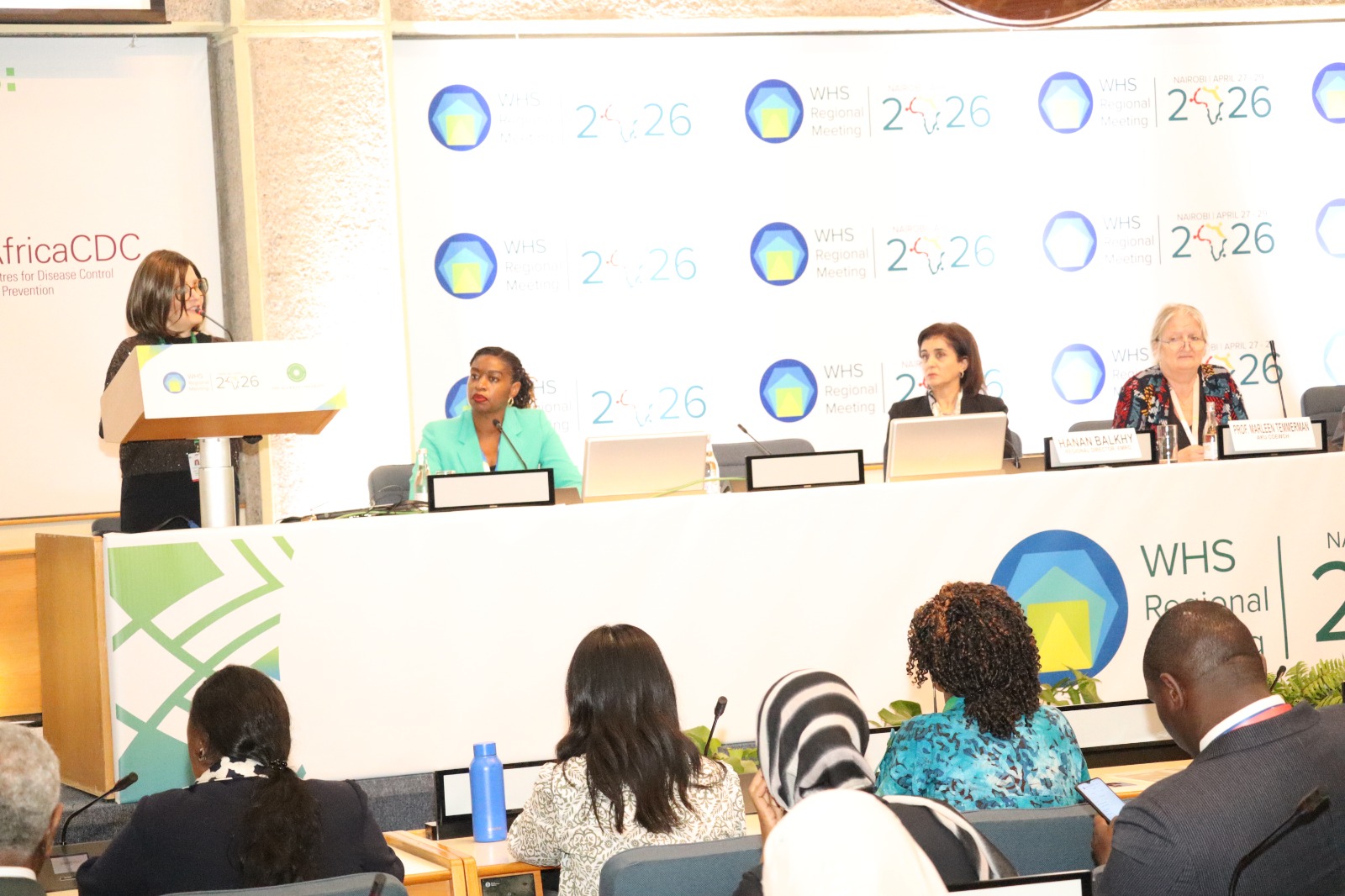
She was speaking during the launch of the initiative at the sidelines of the World Regional Health Summit Meeting (WRHSM) 2026 in Nairobi, Kenya.
In terms of the evidence generation, the University’s Center of Excellence in Women and Child Health will investigate factors that are affecting timely diagnosis of breast and cervical cancer, assisting the WHO as it updates its package of essential non communicable disease interventions.
It will also strengthen capacity, but it will do so from a contextual perspective, what information and health capacity are required in this region.
Additionally, the Centre will also address the feasibility of using new AI approaches and powered technologies in innovative screening modalities to enhance early diagnosis in rural communities and other resource settings in Kenya and beyond.
“The collaborative initiative is applicable for translating global knowledge into practical, scalable solutions for Kenya and the region. For too long, the gap between global health guidance and global delivery has been too wide,” said Aden Duale, Ministry of health, Kenya.
“This collaboration is our commitment to closing the gap through work that is practical, home grown and built around the realities of communities.”
Duale noted that the ministry will work closely with Aga Khan University, the WHO, the county governments and development partners, to ensure findings are rapidly translated and interventions are sustained through domestic financing and integration into Kenya’s systems.
Hanan Balkhy, WHO Regional Director for the Eastern Mediterranean, noted that through three core areas—evidence generation, capacity building, and implementation research—the Centre will support countries to design and deliver integrated one-stop service models for women’s cancers. It will also strengthen the health workforce through routine training and specialist mentorship, while generating practical solutions to barriers in screening, diagnosis, referral, and follow-up.
Importantly, it will connect the WHO’s wider network of collaborating centres and partners, linking expertise across regions.
“This is what partnership at its best looks like, locally connected, locally grounded and focused on impact,” she said.