By Milliam Murigi
As the world races deeper into the age of artificial intelligence (AI) and digital transformation, Kenya is seeking to position itself as a continental hub for innovation, research and emerging technologies.
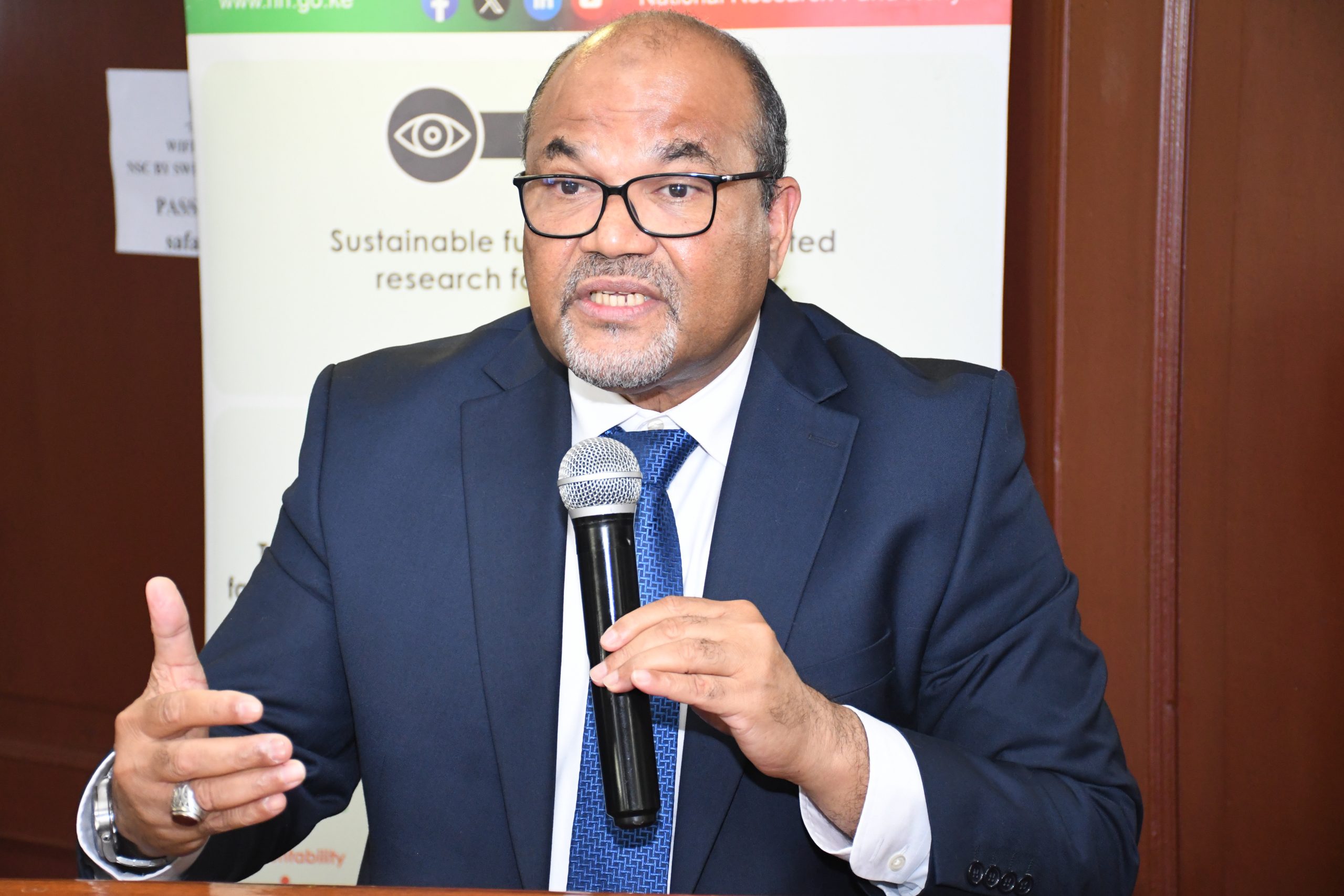
Speaking during the official opening of the inaugural Science, Technology, Research and Innovation (STRI) 4 Society Week 2026, Principal Secretary State Department for Science, Research and Innovation Prof. Shaukat Abdulrazak said Kenya must move beyond being a consumer of technology and become a producer of globally competitive innovations.
“This week is not simply about showcasing innovations or research output. It is about shaping the future of our nation,” he said.
The conference, themed “Igniting Innovation: Bridging Science, Technology and Society for Sustainable Development,” brought together representatives from the European Union, Italy, universities, research institutions and private sector players.
Prof. Abdulrazak described science, research and innovation as central pillars of President William Ruto’s Bottom-Up Economic Transformation Agenda, arguing that Kenya’s future prosperity will depend less on raw commodities and more on knowledge, technology and industrial innovation.
“Science, research and innovation are not peripheral sectors. They are engines that will power Kenya’s transformation into a globally competitive and industrialized nation,” he said.
Prof. Abdulrazak said the world is being reshaped by artificial intelligence, biotechnology, robotics, genomics and clean energy technologies, warning that countries failing to invest in research risk being left behind.
According to him, nations leading these technologies today are the nations shaping global trade, healthcare, food systems and geopolitical influence. Kenya must not remain at the periphery of this transformation.
“Countries that have dominated global economy today are those that invest heavily in science, technology and innovation. The future will not be shaped by size, but by boldness in investing in STI. Kenya must firmly place itself among those nations,” he said.
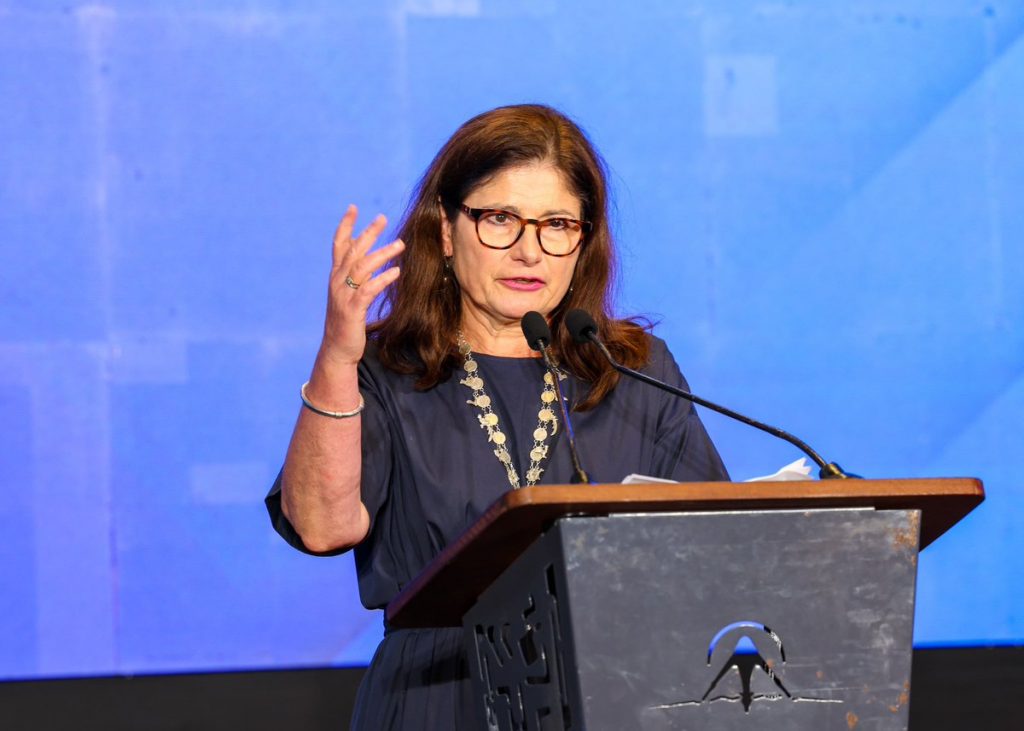
Speaking at the same event, Henriette Geiger, the European Union ambassador to Kenya urged Kenya to urgently strengthen its innovation ecosystem or risk losing ground in the global race for economic transformation.
She applauded the Kenyan government and the State Department for Science, Research and Innovation for prioritizing innovation as a driver of future economic growth.
“Any country that is not playing the game will be left further and further behind,” she warned. “So it is up to Kenya to join the race and go to the top of it.”
According to Geiger, Kenya already compares favorably with many countries in the region because of its vibrant innovation culture and youthful talent pool, but still lacks sufficient support systems to convert research ideas into commercially successful products and industries.
She cited a recent discussion on AI where Kenyan researchers proposed developing energy-efficient AI systems instead of depending entirely on costly energy expansion projects.
“That is the out-of-the-box thinking that we need,” she said, describing Kenyan researchers as highly creative and globally competitive.
She also encouraged Kenyan universities and research institutions to take advantage of the Horizon Europe programme, the world’s largest publicly funded research initiative.
The programme allows African researchers and institutions to collaborate with European partners and access research grants, including funding specifically reserved for Africa.
“Many probably do not know that the European Union has the largest public research fund in the world,” Geiger said. “This fund is completely accessible to Africa as long as you find a partner in the European Union.”
The ambassador further emphasized the need for Kenya to create conditions that retain scientific talent and reverse brain drain. Recalling a conversation with a Kenyan scientist involved in COVID-19 vaccine research in Germany, she said many Kenyan researchers abroad would willingly return home if the country improved research infrastructure and funding opportunities.
“Kenya’s talent should not have to leave the country to do research,” she said. “You should be able to do it here.”
Prof. Abdulrazak echoed similar sentiments, saying Kenya must move from fragmented innovation efforts to a nationally coordinated ecosystem linking universities, industry and government institutions.
He revealed that his department plans to establish research and innovation “clusters” that will bring together universities, research institutions and industry players around thematic areas such as artificial intelligence, biotechnology and climate resilience.
“We must move from fragmented innovation to a nationally coordinated innovation ecosystem,” he said.
Prof. Abdulrazak also called for stronger private sector participation through venture capital financing, startup incubation and commercialization of research outputs describing research funding not as expenditure, but as a long-term national investment capable of generating jobs, improving healthcare, strengthening food security and boosting industrial growth.
“Research must move from publication to production, from labs to industry, from ideas to enterprises, from innovation to impact,” he said.