By Sharon Atieno Onyango
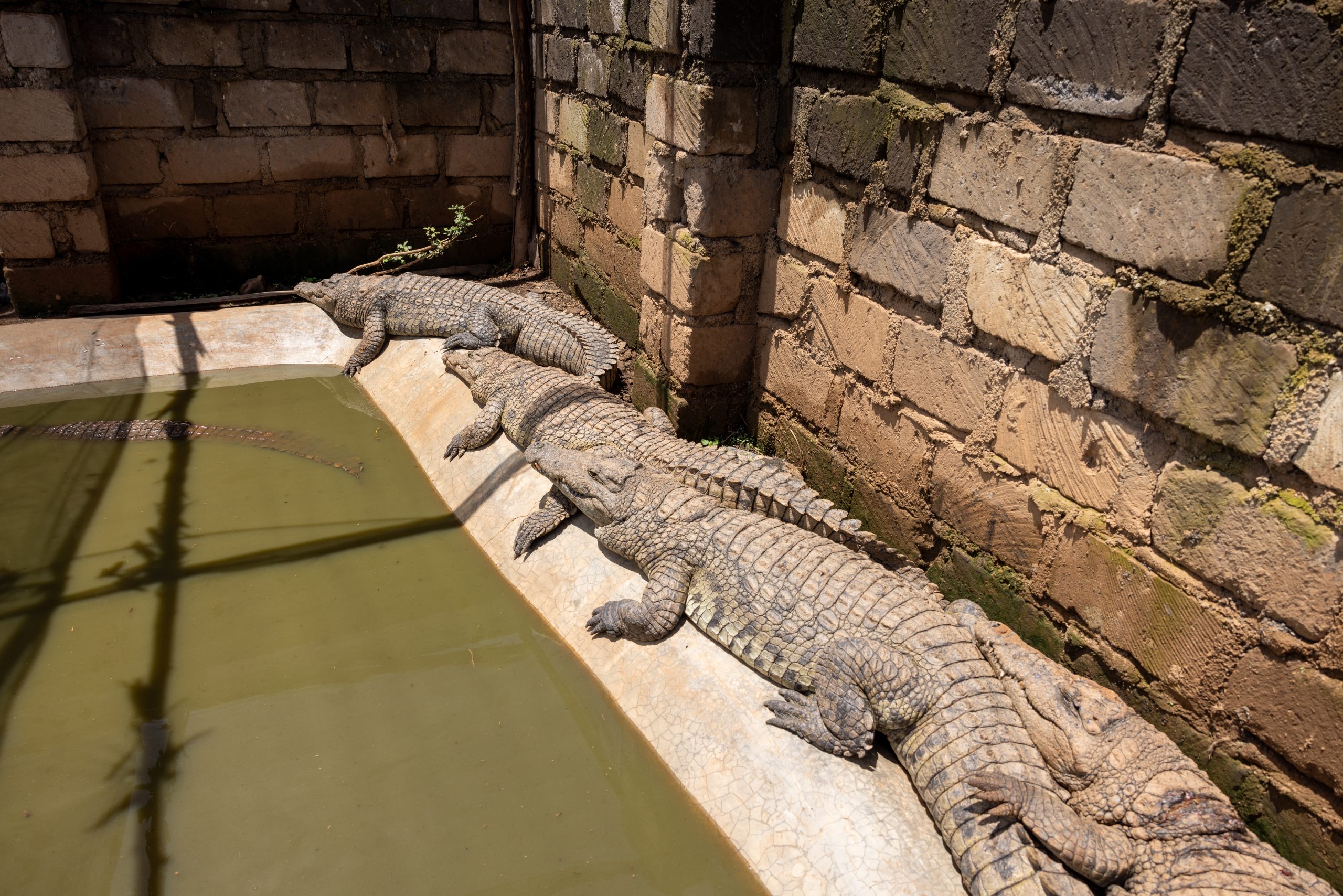
Kenya’s trade in live reptile exports listed under the Convention on International Trade in Endangered Species of Wild Fauna and Flora (CITES) has increased more than 10-fold over the past decade, a new peer reviewed paper reveals.
The review conducted by World Animal Protection analyzed 886 CITES export records involving 28 wildlife species between 2013 and 2023.
Reptiles accounted for nearly half of the 870,000 plus live CITES-listed animals traded between 2013 and 2023.
Annual exports of live reptiles rose sharply from 8,551 individuals in 2013 to 86,330 in 2023, signaling a steep escalation in the commercial wildlife trade, the review notes.
The findings, according to the review, indicate that Kenya is becoming an increasingly important supplier to global pet and luxury wildlife markets, with exports reaching at least 43 importing countries across Asia, Europe, North America, Africa, and South America.
However, the study also exposes significant gaps in monitoring systems, risks to threatened species, and potential public health threats linked to wildlife trade.
More than 77% of traded species have declined or unknown wild population trends, raising concerns about sustainability even where animals are reported as captive-bred or ranched.
Seizure evidence indicates that illegal trade in pancake tortoises continues even though they are already under severe conservation pressure.
According to Dr. Patrick Muinde, Research Manager at World Animal Protection who co-authored the peer reviewed paper, the trend is deeply concerning.
“Most of these exports involve live animals, making this far more than a question of numbers. It is cruel and raises questions about its sustainability. The trade in live wild animals also carries clear risks to public health and wellbeing,” he said.
“At its core, it reflects a system that treats sentient beings as mere commodities rather than living beings. It is time to move away from this model and recognize that wild animals deserve protection, not exploitation.”
Among the recommendations by the World Animal Protection is stronger regulation and traceability of captive breeding and ranching operations.
Also, conducting routine welfare audits across captive breeding operations and wildlife trade supply chains, alongside enhancing bio-security measures and pathogen surveillance.
The organization also calls for developing targeted demand-reduction initiatives in importing countries to reduce demand for wild animals in the pet and luxury markets.