By Sharon Atieno
With resistance to dolutegravir (DTG), the preferred first and second-line treatment, posing a threat to ending AIDS by 2030, a new study is underway to guide the optimal management of HIV patients who are failing treatment and developing resistance.
According to the World Health Organization (WHO), levels of resistance to DTG have risen from 3.9% to 19.6% among individuals experiencing treatment failure.
The Ndovu project is a large multi-country study being carried out in Kenya, Tanzania, Lesotho and Mozambique. The project is enrolling HIV infected individuals who have a high viral load and are on DTG treatment, indicating possible adherence difficulties or drug resistance.
The Ndovu Study is sponsored by the Centre for Epidemiological Modelling and Analysis (CEMA) at the University of Nairobi, in collaboration with the Kenya Ministry of Health, Muhimbili University of Health and Allied Sciences (MUHAS) in Tanzania, Solidar Med in Lesotho, and Instituto Nacional de Saúde (INS) in Mozambique, and funded by the Bill & Melinda Gates Foundation.
“It is deeply concerning that some people are experiencing treatment failure due to lack of adherence to therapy and potentially developing resistance to dolutegravir, placing their lives at risk,” said Dr. Loice Ombajo, Chief Investigator of the Ndovu Study, infectious disease specialist, and CEMA Co-Director.
“We urgently need evidence to guide how patients should be managed when they fail treatment and when drug resistance develops. Data from this study will help inform global guidelines on how to care for people living with HIV who do not respond to currently available treatment options.”
Failure to adhere to HIV treatment is one of the major contributors to drug resistance, treatment failure, and risk of advanced disease (AIDS). With many countries using DTG-based regimens as first-line HIV treatment, emerging data show that poor adherence to treatment leads to virological failure, often marked by dangerously low viral load counts and life-threatening opportunistic infections such as tuberculosis, cryptococcal meningitis, and other severe infections.
The study is transforming how treatment failure is understood and managed by following patients closely, supporting them to adhere to treatment, creating an understanding of drug resistance through drug resistance testing, supporting the identification and management of advanced HIV disease and providing crucial data to aid in the development of national and international guidelines on the management of HIV treatment failure.
“While we look forward to initiating the Ndovu clinical trial, we are confident in our ability to recruit and retain participants while being mindful to attain high-quality data that aligns with the study protocols, national and international ethical and regulatory standards and compliance to generate critical evidence to inform national and regional HIV treatment policies on how best to manage patients who are failing dolutegravir-based treatment,” said Dr Patricia Munseri, study Principal Investigator in Tanzania and Associate Professor and Head of Infectious Disease Unit in the Department of Internal Medicine at Muhimbili University of Health and Allied Sciences (MUHAS) said.
Despite major progress in HIV treatment, the global response remains at a critical crossroads. WHO estimates that in 2024, 40.8 million people were living with HIV, 1.3 million acquired HIV, and 630,000 died from HIV-related illnesses. This calls for the urgent need to revolutionise the quality of HIV care, adherence support and timely clinical decision-making.
“Being part of the Ndovu study in Lesotho is a great privilege. The study is already demonstrating that sustaining the gains in HIV treatment—particularly in Africa—requires early detection of drug resistance and routine monitoring to prevent widespread treatment failure,” said Dr Irene Ayakaka, study Principal Investigator in Lesotho and Technical Director at SolidarMed, Lesotho.
“Key lessons emerging from the study include the importance of strengthening laboratory systems, supporting adherence among people living with HIV, and aligning national policies with evolving evidence. These insights are shaping discussions at the highest levels and will directly inform national HIV treatment guidelines.”
With data, Ndovu is addressing treatment failure, resistance and adherence head-on, reshaping the future of HIV treatment—strengthening health systems, ensuring no patient is left behind and ultimately, saving lives.
Dr. Nalia Ismael, Principal Investigator in Mozambique, said, “Ndovu study brings real-world cutting-edge data led by Africans researchers. Although substantial efforts have been made in Mozambique to strengthen HIV treatment care management, there are still gaps, especially with patient retention, adherence, and increasing HIV drug resistance.”
“We believe that the findings of this study will provide critical insights and guidance to the national HIV treatment program on how to better manage these patients, particularly in a scenario where patients are persistently failing DTG regimens. Our goal in collaboration with the Ministry of Health is to deliver real-time, high-quality data that will improve patient outcomes.”
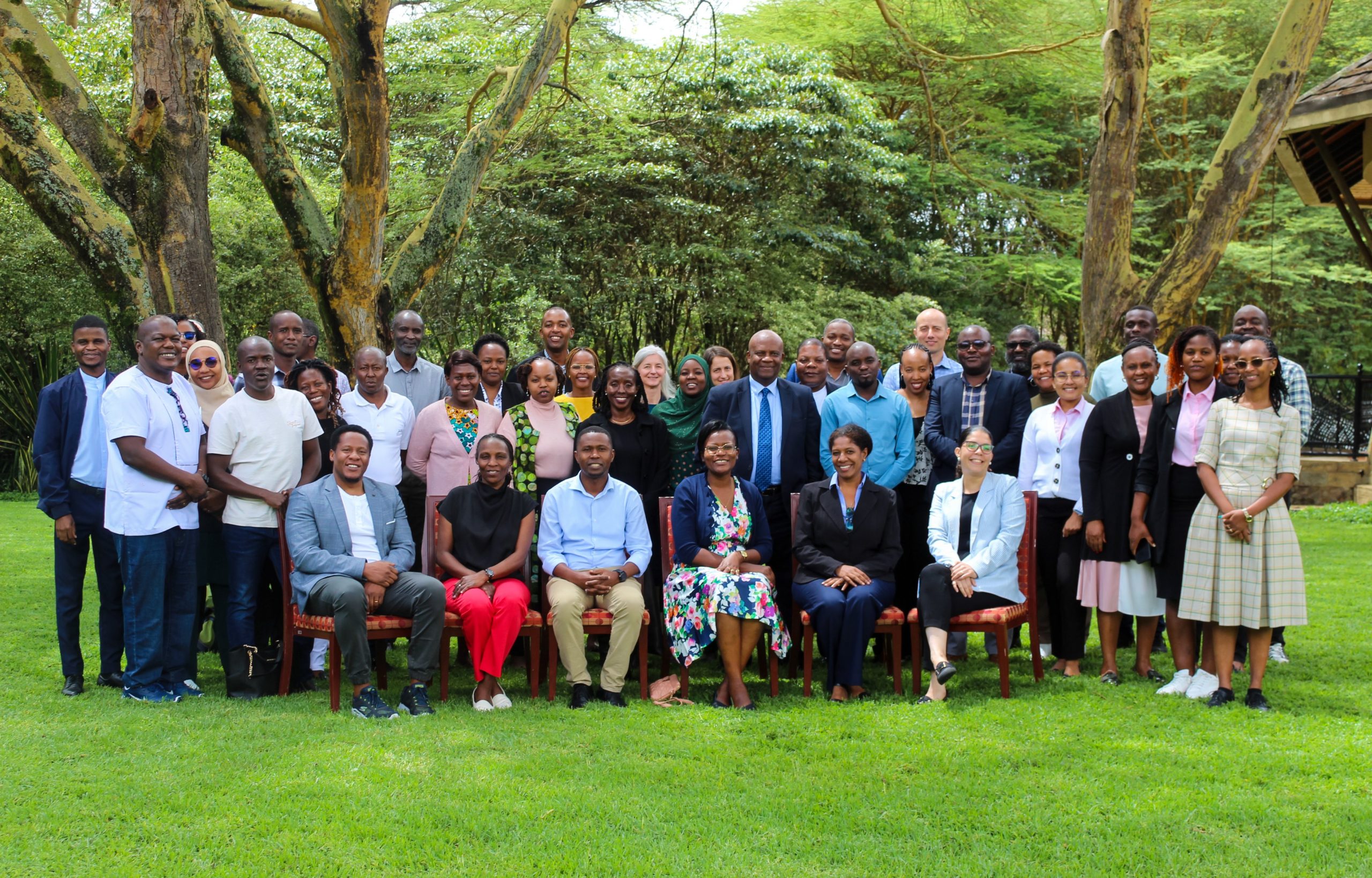
From 26–28 January 2026, CEMA hosted Principal Investigators and partners for a three-day Ndovu Investigators’ Meeting in Naivasha, bringing together researchers, representatives from Ministries of Health and implementing partners. The meeting reviewed progress achieved over the past year and aligned priorities for the next phase of the study.