By Milliam Murigi
How can Africa nourish its growing population without depleting the planet?
That was the central question as researchers, policymakers, and food experts gathered at the International Livestock Research Institute (ILRI) campus in Nairobi to discuss and contextualize the EAT-Lancet 2.0 report findings.
The report, released in October 2025, provides the most comprehensive global scientific evaluation of food systems to date. It urges a major shift in diets by 2050 by doubling consumption of fruits, vegetables, legumes, and nuts while reducing red meat and sugar intake by half.
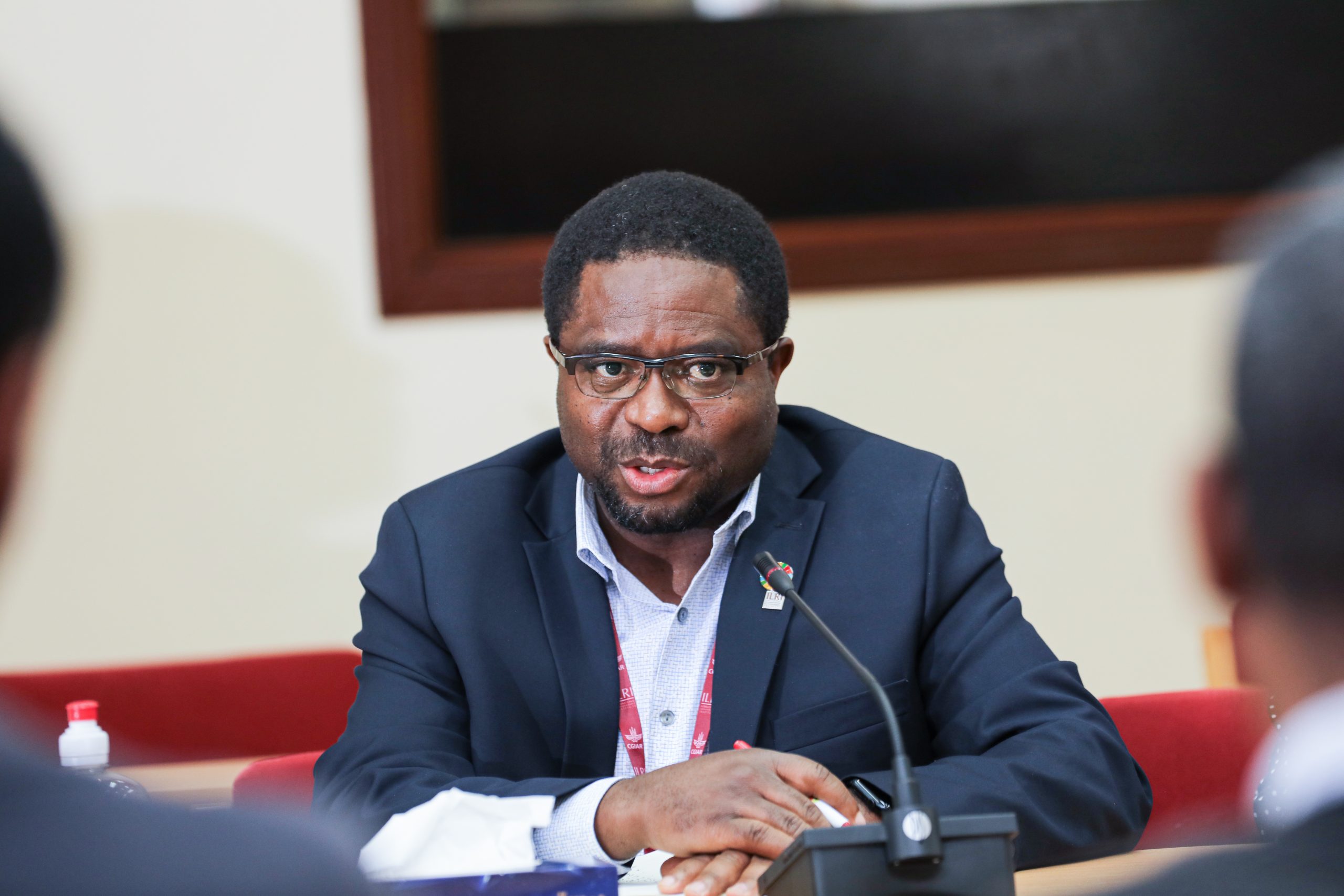
“We are hosting this dialogue to understand the findings of this report and its implications on African livestock system. Apart from that, we also want to identify pathways for further collaboration to ensure healthy and sustainable food systems,” said ILRI Director General, Prof. Appolinaire Djikeng while giving his opening remarks.
Prof. Djikeng described the report as a “blueprint for our collective future,” emphasizing that Africa has a unique opportunity to lead the shift toward healthy and sustainable diets.
“The EAT-Lancet 2.0 report is more than just a document. It’s a call to action. By embracing its principles, we can nourish our people, protect our planet, and promote justice in our food systems,” he said.
He noted that the continent has a unique opportunity to redefine how food is produced and consumed. By embracing the principles of the planetary health diet outlined in the EAT-Lancet report, Prof.Djikeng said, Africa can steer toward a food system that supports both human and planetary health.
The Planetary Health Diet emphasizes a balance between plant-based and modest amounts of animal-sourced foods, encouraging greater consumption of fruits, vegetables, legumes, whole grains, and nuts, while reducing red meat, sugar, and highly processed foods. It promotes agricultural practices that work in harmony with nature protecting soils, conserving water, cutting greenhouse gas emissions, and preserving biodiversity.
According to Prof.Djikeng, adopting these principles will allow Africa to nourish its people through healthier diets, protect the planet by producing food sustainably, and promote justice by ensuring fair wages, decent work, and access to nutritious food for all.
“Across the continent, our diets remain heavily dependent on starchy staples, with limited consumption of fruits, vegetables, and animal-source foods such as milk, meat, and eggs. This is why sustainable livestock systems must be at the heart of Africa’s food transformation,” he said.
“We cannot talk about sustainable food systems in Africa without talking about livestock. Animal source foods, when consumed in moderation, are critical for child growth, maternal health, and overall nutrition.”
Principal Secretary for Livestock Jonathan Mueke, who was represented by Richard Kyuma, Chief Executive Officer of the National Livestock Development and Promotion Service, in his speech said that livestock transformation is central to delivering nutritious, affordable food and dignified livelihoods.
This is why the Government’s Food Systems Transformation Strategy (2024–2033) seeks to boost productivity, reduce the cost of living, expand value addition, and modernize livestock systems, particularly in pastoral regions.
“From a livestock perspective, the solution in Africa is not less livestock but better livestock. We need improved feed systems, disease control, drought-tolerant breeds, and circular waste management to reduce emissions,” said Mueke.
Apart from transforming livestock systems, Mueke highlighted agroecology as another way for the continent to nourish its population sustainably. He explained that agroecology focuses on smarter productivity rooted in ecological intelligence and local knowledge, promoting healthy diets, enhancing ecosystem resilience, improving soil and animal health, and supporting youth, women, and marginalized communities.
Namukolo Covic, ILRI’s Director General Representative to Ethiopia, highlighted that another way the continent can nourish its growing population is through biofortification of staple crops to enhance their nutritional value, as well as the promotion of health-enhancing animal and aquatic foods.
“By enriching staple crops with essential vitamins and minerals, we can address under-nutrition and micronutrient deficiencies, while also supporting healthier diets that prevent overweight and obesity. This approach is vital if we are to safeguard the health, growth, and productivity of Africa’s population,” said Covic.
Africa faces a stark challenge. Nearly the entire continent is grappling with food insecurity, while at the same time, malnutrition is taking multiple forms. Under-nutrition, stunting, and micronutrient deficiencies persist, yet overweight and obesity are rising sharply, especially among women. She warns that without urgent action, the health and productivity of Africa’s population could be severely compromised.