By Sharon Atieno
The Constitution of Kenya (2010) has enabled notable progress in advancing governance and accountability in the country. However, persistent gaps remain an impediment to the full implementation of its provisions.
Some of these gaps are a result of weak inter-institutional coordination, limited application of constitutional audit tools, and challenges in translating oversight findings into actionable parliamentary outcomes.
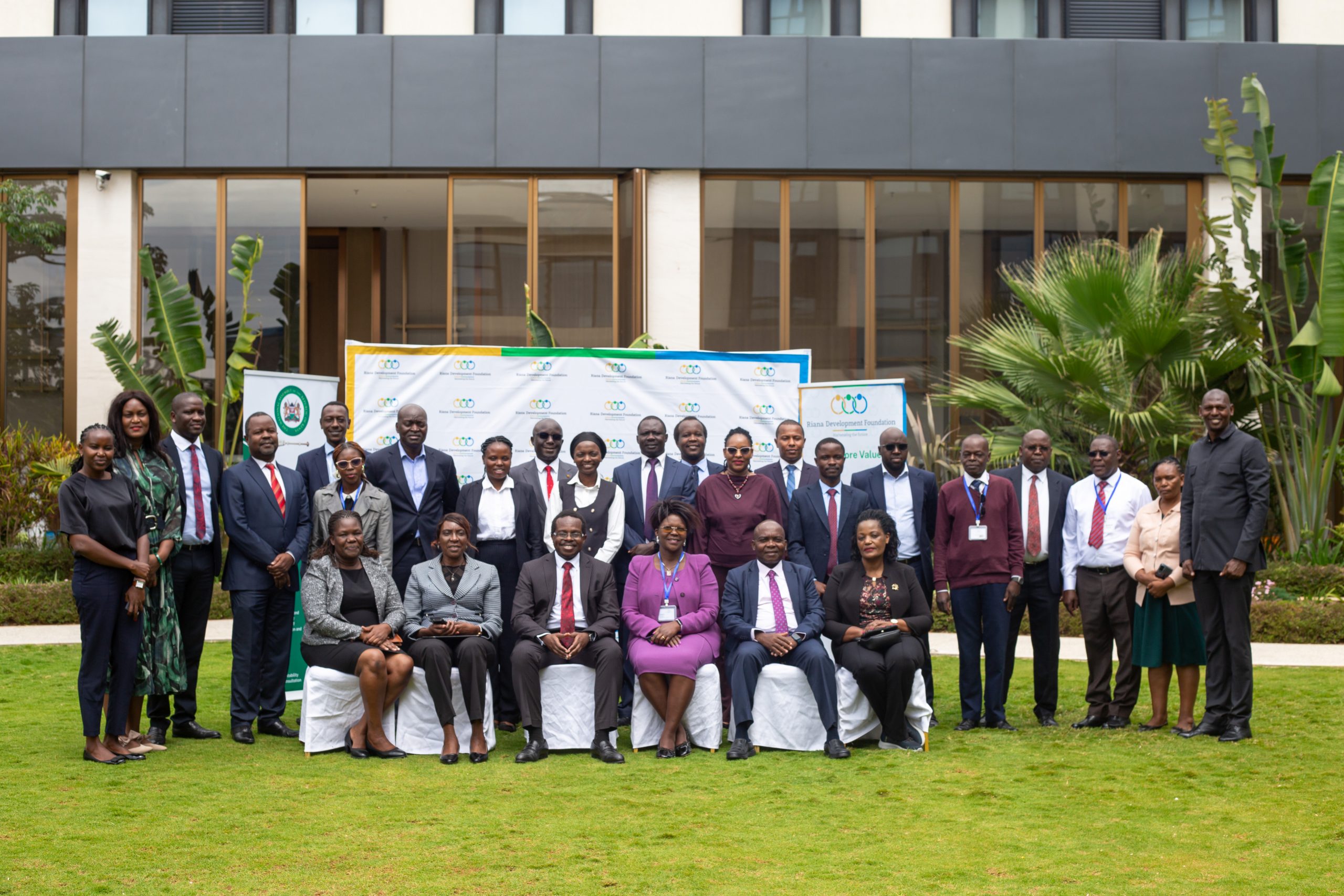
In this regard, Riana Development Foundation (RDF), a governance think tank, in partnership with the Constitutional Implementation Oversight Committee (CIOC) of the National Assembly, conducted a three-day capacity-building workshop to equip the Committee’s staff with tools to oversee the Constitution.
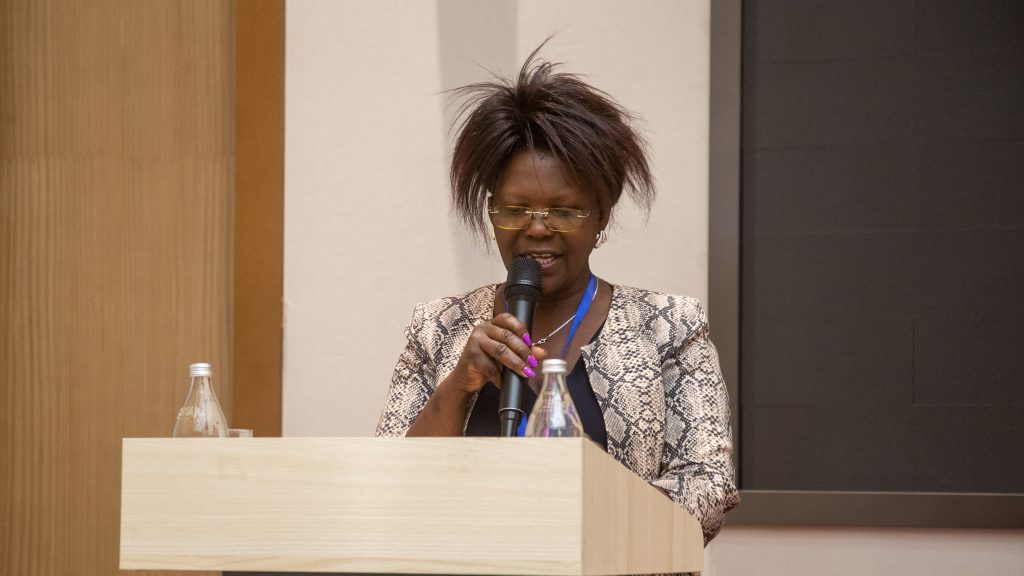
“This workshop has taken the participants through critical themes- from parliamentary oversight to constitutional audits, to comparative constitutional reviews, evidence-based oversight, and the design and institutionalization of a constitutional audit framework within CIOC,” said Prof. Pamela Raburu, RDF chairperson.
“These conversations were not merely theoretical; they were practical, forward-looking and deeply grounded in Kenya’s constitutional reality.”
The workshop focused on enhancing the capacity of CIOC Members and Secretariat staff to interpret and apply the Constitution using audit and governance frameworks and strengthening skills in conducting constitutional impact assessments, interpretation oversight and implementation audits across public institutions.
The training also sought to collaboratively develop a CIOC Constitutional Audit Matrix outlining priority audit areas, indicators and responsible institutions while facilitating the drafting of a CIOC Secretariat Resolution/Declaration committing to championing and supporting the constitutional audit process.
According to Dr. Evans Ogada, an advocate of the High Court and a facilitator at the workshop, the training is crucial as the Constitution has numerous challenges that require auditing. “Through an audit process, the CIOC can be able to identify these challenges and make reservations to resolve them,” he said.
Senior Counsel Charles Kanjama, an advocate of the High Court and a facilitator at the workshop, noted that a constitutional audit is similar to a financial audit. “It serves as a warning and generates recommendations for improvement. Doing a constitutional audit strengthens the constitutional oversight process,” he said.
“This is a core function of parliament, not just the CIOC committee but all committees whose mandates involve constitutional elements.”
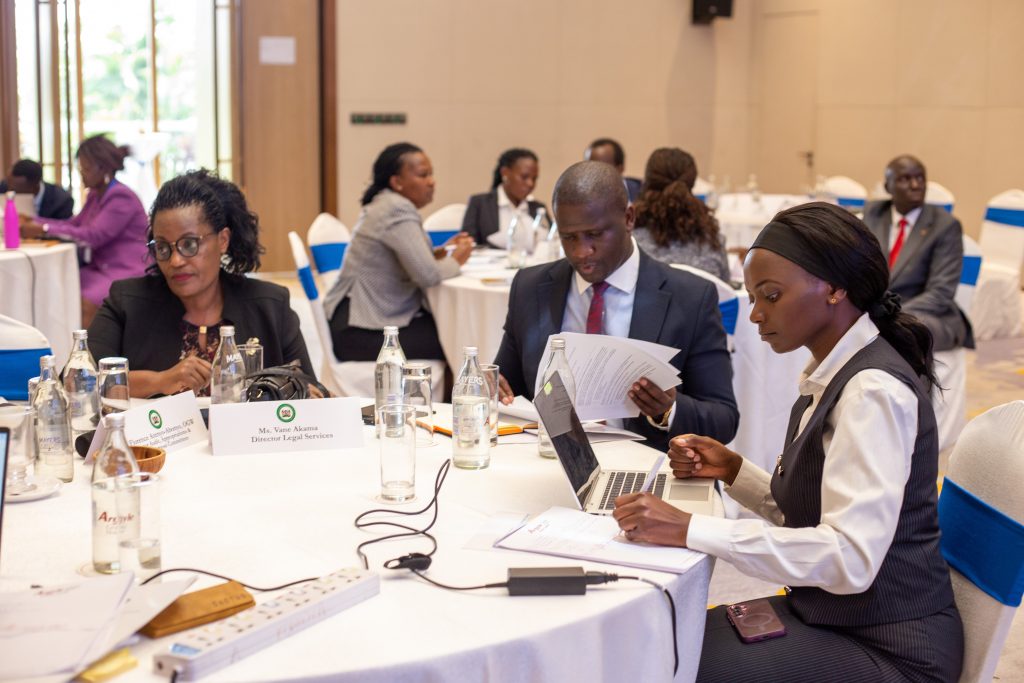
Participants reported an improved understanding of the Constitution and their audit mandate, noting that the training strengthened their ability to translate constitutional provisions into measurable oversight indicators.
“The training has really opened our eyes in terms of what needs to be done in a constitutional audit. It is high time that we bring to life our Constitution, and that can only happen if we embody the skills we have acquired and identify the gaps that need to be addressed,” a parliamentary staff member said.
“From here, we have both the technical knowledge and tools that we are going to use to ensure that the Constitution and constitutionalism are brought to life for the benefit of all Kenyans.”
Similarly, another CIOC member observed that the training brought into perspective how the Constitution is being implemented. “There is parliamentary practice of the Constitution and then there is practicing in court. The facilitators are practitioners; they are giving us interpretive perspectives from the court,” he said, noting that the court brings life into the Constitution through interpretation.
“We enact laws, but we don’t have time to evaluate how they are acting. When we have such sessions, then we have the opportunity to hear from practitioners how the law is unfolding on the ground.”
The training constitutes the first in a series of capacity-building interventions planned for CIOC and Members of Parliament (MPs) on constitutional implementation. It follows the CIOC Induction Retreat for MPs and staff held in 2025, which focused on mandate clarification, institutional roles and historical context.
“At RDF, we believe that capacity building is not an event, but a process. This workshop marks an important milestone in a broader journey toward institutionalizing constitutional audits, strengthening oversight frameworks and embedding evidence-based governance within CIOC and parliament,” said Carolyne Datche, RDF’s Executive Director. “We are confident that the tools, frameworks, and relationships built here will continue to bear fruit long after today.”