
By Sharon Atieno
The majority of Kenyan adults are experiencing a high burden of trauma exposure, with one in two people showing probable signs of Post-Traumatic Stress Disorder (PTSD)- a mental health condition associated with exposure to life-threatening events such as combat, sexual assault, natural disasters and serious accidents.
The findings were released during a dissemination event for the Genetics of PTSD in African Ancestry Populations (GPAA) study hosted by the Aga Khan University’s Brain and Mind Institute (BMI). The study aimed to expand knowledge of the genetic make-up of PTSD in African populations, strengthen research capacity in Kenya, reduce stigma, and contribute to the first large, well-powered genome-wide study of PTSD in individuals of African ancestry
Preliminary results from the study, which had recruited 4,000 participants across Nairobi, show that more than half (55%) of Kenyan adults were likely to have experienced PTSD at some point in their lives, while 21% showed symptoms in the past month.
In terms of gender, women were more affected than men, with 61% of women reporting lifetime PTSD compared to 39% of men. This is largely attributed to gender based violence.
PTSD is commonly associated with the occurrence of other mental disorders, such as depression and increased risk for suicide. It is also a risk factor for other adverse health illnesses such as type 2 diabetes and cardiovascular diseases.
The study was conducted in Embakasi West, Kibra, and Westlands sub-counties of Nairobi County. The results revealed notable geographic differences across Nairobi’s urban areas, with Westlands Sub-county reporting the highest prevalence of PTSD symptoms in the past month at 48%. In comparison, Kibra reported the lowest at 17%.
“These disparities highlight that trauma is unevenly distributed, shaped by variations in living conditions, socioeconomic status, access to services, and community safety,” the study notes.
“The findings underscore the need for targeted, context-specific interventions that address the unique challenges faced by different sub-counties and ensure that support systems and resources reach the communities most in need.”
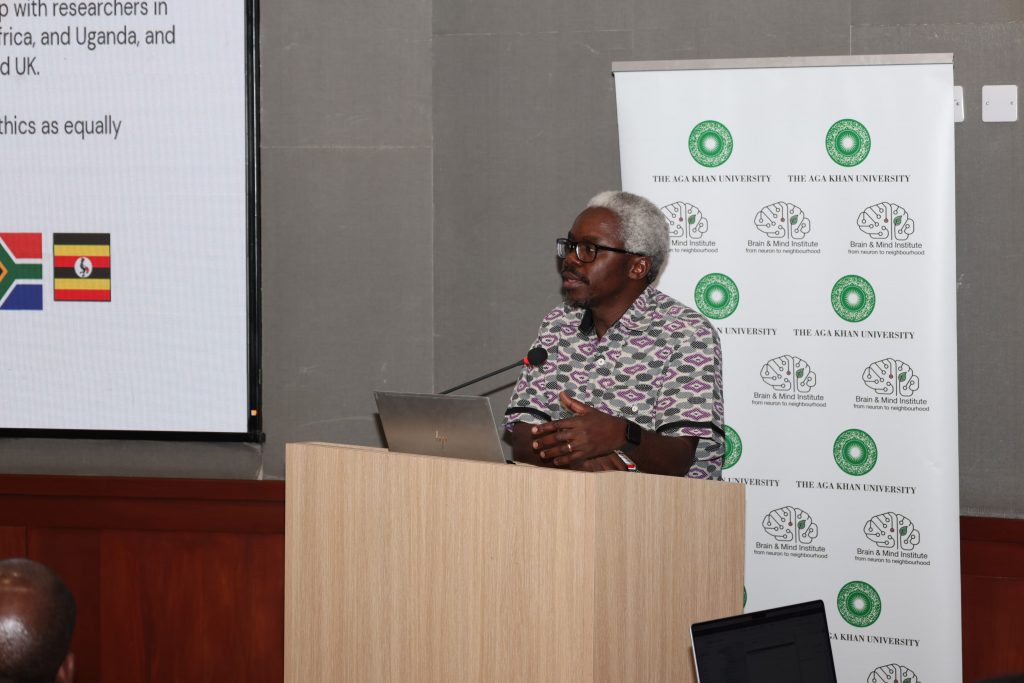
Speaking at the event, Prof. Lukoye Atwoli, Deputy Director at BMI and Dean of Medical College at Aga Khan University, East Africa, emphasized the importance of ensuring African populations are included in global psychiatric research and the opportunities this study creates for locally relevant solutions.
“Africa has historically been left behind in psychiatric genetics research, and this study marks a turning point. By focusing on African populations, we are uncovering the true scale of PTSD and related disorders while generating knowledge that will lead to equitable, effective, and locally relevant interventions,” Prof. Atwoli said.
He also called for the need to start practicing trauma-informed care. “A huge proportion of our patients are coming in after exposure to trauma, but that is not what they are coming to the hospital for. We need to set up our environment so that they’re not exacerbating the effects of that trauma and so that there are healing spaces where people can get help, including for the effects of the trauma exposure that they have had.”
Dr. Mercy Karanja, Director of the Mental Health Division at the Ministry of Health, underscored the policy significance of the study’s findings and their implications for national planning.
“These findings show us the extent to which trauma and PTSD are affecting Kenyans and remind us that mental health must be at the centre of our health priorities. With this evidence, we can design stronger policies, allocate resources more effectively, and ensure communities across the country have access to care that meets their needs,” Dr. Karanja said.
The Genetics of PTSD in African Ancestry Populations (GPAA) study represents the first large, well-powered genome-wide investigation of PTSD in African ancestry populations, bridging a critical research gap. It has also piloted innovations such as the STAIR Coach mobile app, which has shown feasibility as a scalable tool for trauma care, and expanded into NeuroGAP – Psychosis II at Mathari Hospital, furthering research on neuropsychiatric conditions such as Schizophrenia, Bipolar Disorder and Psychosis.