By Milliam Murigi
Kenya’s Mau Forest Complex and Kakamega Forest are set to benefit from new climate financing under the Congo Basin Blue Fund.
This is a financing mechanism aimed at protecting the world’s second-largest tropical forest system and other critical ecosystems across Africa.
The two forests have been identified as Kenya’s priority projects and have been submitted to the Congo Basin Climate Commission (CCBC), which is mobilizing resources to address climate change, biodiversity loss and environmental degradation.
The Blue Fund will support interventions focused on forest protection, restoration and sustainable livelihoods for communities living around key ecosystems.
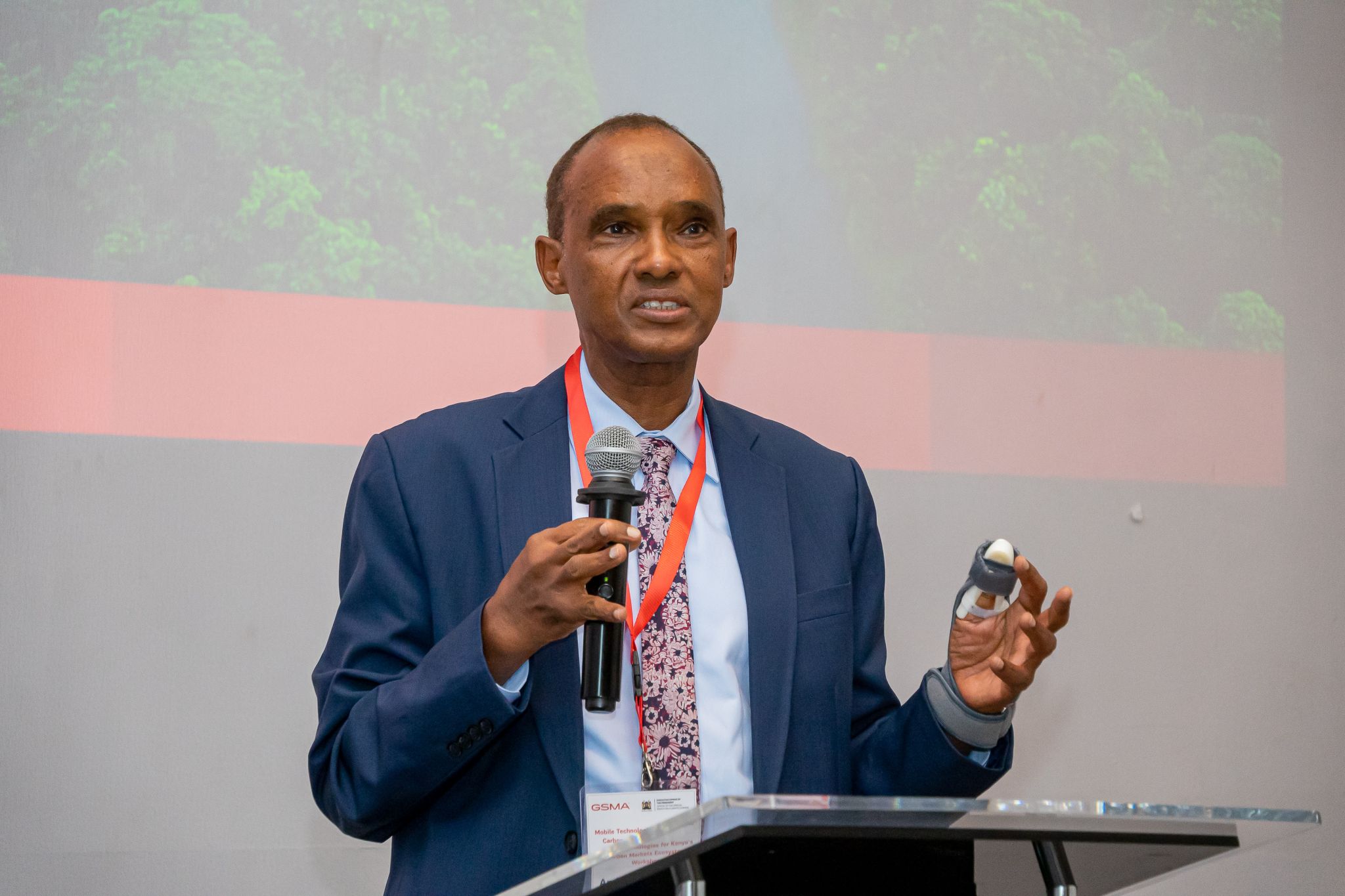
“Some parts of the Mau forest have suffered degradation requires urgent interventions to enhance protection, restoration and long-term sustainability. That is why we have proposed this complex,” said Ali Mohamed, Special Envoy for Climate Change, Government of Kenya, during a high-level meeting of the CCBC.
The Mau Forest is Kenya’s largest water tower, feeding major rivers and supporting agriculture, energy production and millions of livelihoods across the country and the wider region. On the other hand, Kakamega Forest is the only tropical rainforest. Although considered a pristine ecosystem, the forest is under growing pressure from population growth, encroachment and resource use in surrounding areas.
Funding from the Blue Fund is expected to strengthen conservation efforts, protect biodiversity and safeguard the forest’s role as a critical carbon sink and climate buffer. Already, the Commission has developed a resource mobilization strategy targeting an initial US$400 million, as part of a broader US$2 billion goal over the next two years, to support climate change-related projects across the region.
The Congo Basin Climate Commission brings together 17 African countries and was established following the Paris Agreement in 2016. It operates under the African Union framework led by the Committee of African Heads of State and Government on Climate Change, which oversees three regional commissions: the Congo Basin, the Sahel, and the Island States.
The Commission focuses on mobilizing finance to protect what is often described as “the lungs of the world.” It has made progress in setting up the Blue Fund and has already begun mobilizing resources to support priority climate and conservation projects across member states.
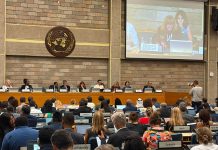
“We have already mobilized some funds, but we are now entering the next phase of rigorous fundraising. In total, we have identified 43 priority projects, and we are still awaiting project submissions from Uganda and Tanzania,” said Arlette Soudan-Nonault, Executive Secretary of the Congo Basin Climate Commission.
Each of the 17 countries, including Kenya, is submitting proposals for financing. A high-level roundtable bringing together development finance institutions, philanthropies and global partners is expected to take place in Brazzaville in May. Ahead of this, heads of state and government from Congo Basin countries will meet in Kenya to validate the outcomes developed by national focal points.
In Kenya, the Ministry of Environment, Climate Change and Forestry, through the Department of Forestry and the Kenya Forest Service (KFS), has been leading the development of the two project proposals. Once funding is secured, the projects are expected to enhance forest protection, strengthen climate resilience and deliver long-term environmental and socio-economic benefits.
According to Arlette, the Congo Basin no longer asks, it proposes bankable and sustainable solutions, anchored in a vision of the transition towards a low-carbon economy through the blue economy, the green economy and the circular economy.
“We have ensured that every initiative meets the most rigorous standards of sustainability, social impact and economic viability. We have comprehensively integrated the critical feedback from donors expressed in Belém during COP 30, thereby ensuring the coherence and bankability of our proposal,” she said.