By Milliam Murigi
Ahead of the 64th sessions of the Subsidiary Body for Scientific and Technological Advice (SBSTA 64) and the Subsidiary Body for Implementation (SBI 64)—collectively known as SB64 climate negotiations, African negotiators are pushing for a more coordinated and strategic approach to global climate talks, with a strong emphasis on turning long-standing commitments into concrete action.
At the centre of this push is a call for predictable climate finance, stronger adaptation frameworks and a fairer just transition agenda that reflects Africa’s development realities.
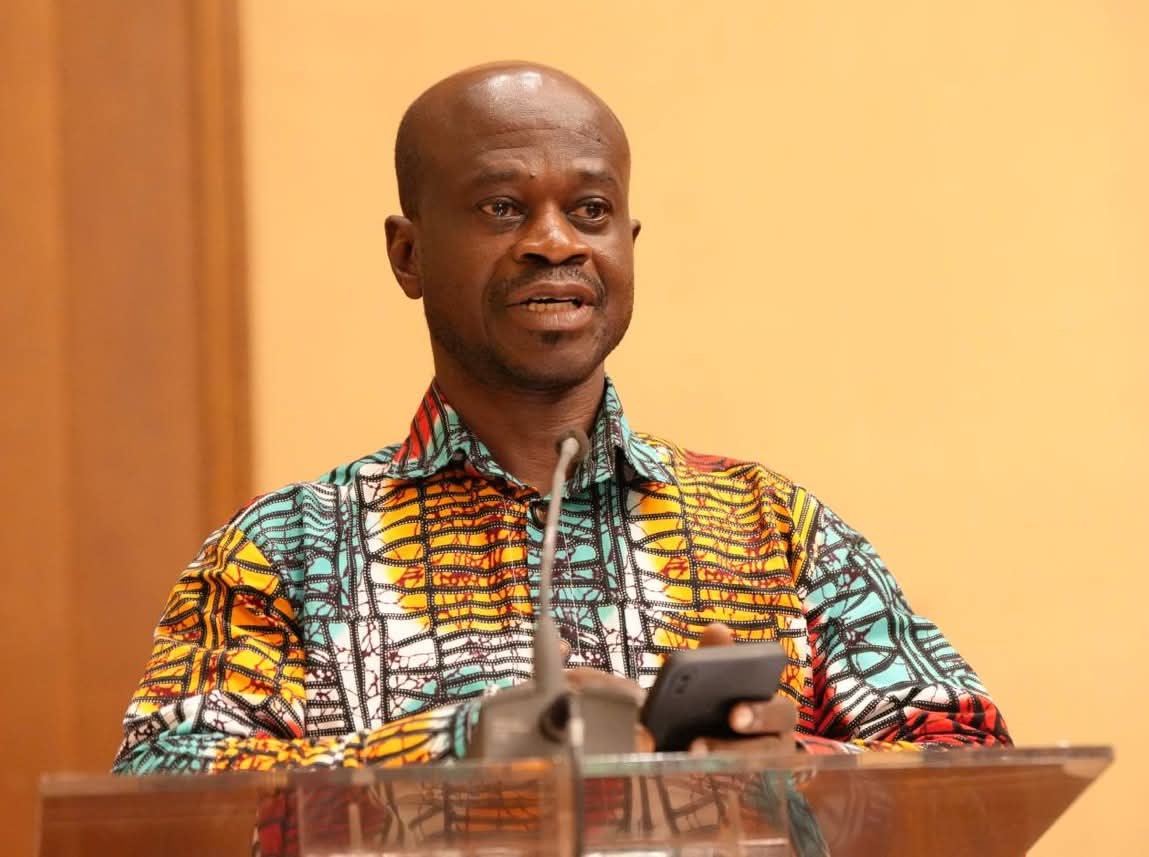
Speaking during the Pre-SB64 Africa Group of Negotiators Experts Support (AGNES) Strategy Meeting in Nairobi, Dr. Nana Antwi-Boasiako, Chair of the Africa Group of Negotiators on climate change (AGN), said the continent is no longer content with promises on paper, but is focused on shaping outcomes that deliver real results for people on the ground.
“We are no longer just looking at agenda items, we are focusing on how Africa can be more coherent and strategic in shaping climate outcomes, not just responding to them,” Dr. Antwi-Boasiako.
The meeting aims to support African negotiators and experts in aligning priorities, developing common positions and strengthening engagement strategies for SB64.
According to the chair, climate finance remains the backbone of all climate action because it enables adaptation, technology transfer and capacity building on the ground.
He expressed concern over what he described as “pledges without delivery,” arguing that implementation has lagged behind commitments made in previous COP meetings.
“Even with capacity and technology, it is finance that delivers,” Dr. Antwi-Boasiako said, adding that recent global decisions on climate finance, including discussions around the New Collective Quantified Goal (NCQG), must now shift from negotiation to implementation.
Beyond finance, Africa is also pushing for stronger recognition of adaptation needs, including how global adaptation indicators align with the Global Goal on Adaptation (GGA). The continent is currently reviewing dozens of agreed indicators to ensure they reflect African realities.
Negotiators also want the upcoming Just Transition Work Programme to reflect Africa’s development priorities, warning that the global narrative has too often been reduced to energy transition alone.
“The just transition is not only energy transition,” the chair said, calling for inclusion of labour issues, energy access, and development concerns in the final framework.
According to him, for Africa, a successful outcome at SB64 would include restoring public finance as the main source of climate finance, rather than increased reliance on loans or private financing instruments.
“A win would be in restoring public finance as the main deliverer of climate finance,” Dr. Antwi-Boasiako said, adding that current financing trends risk worsening debt burdens across developing countries.
The discussions also touched on global emissions responsibility, with African negotiators reiterating that developed countries particularly high emitters must take greater responsibility for historical and current emissions.
While acknowledging the sovereignty of nations, the chair criticized what he described as inconsistent commitment from major emitters to global agreements.
“You cannot force any country beyond its jurisdiction,” he said, “but responsibility is global because emissions have no borders.”
The Subsidiary Body (SB) meetings under the United Nations Framework Convention on Climate Change are key mid-year climate talks held in Bonn, where negotiators and experts advance technical work on issues like adaptation, finance, mitigation, and transparency. These sessions help shape and streamline decisions ahead of the annual COP.