By Sharon Atieno
Sharing habitat with livestock is changing elephants’ gut bacteria in ways that could be harmful to their health, a new research reveals.
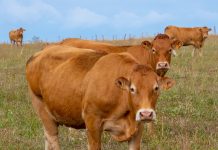
The research conducted by San Diego Zoo Wildlife Alliance in collaboration with Save the Elephants in northern Kenya found that when livestock numbers increased in the reserves, the elephants’ gut microbiomes shifted significantly. Microbes commonly found in livestock became more abundant in elephant guts, while beneficial microbes decreased.
Jenna Parker, Assistant Professor of Conservation Biology at Lake Superior State University and lead author of the study noted that there was an increase in the amount of methane-producing bacteria and a decrease in Roseburia, a bacteria that is beneficial to human health.
“We are not sure if these changes are harmful, but they are concerning because changes in gut microbiomes often signal health problems,” Parker added.
Beyond elephant conservation, these findings point to a broader and largely overlooked environmental impact. With livestock now making up the majority of Earth’s mammalian biomass, their presence is likely influencing the microbiomes of wildlife across shared landscapes worldwide. This research offers an important step forward in understanding how interactions with livestock may be shaping the health and biology of other species.
“The health of wildlife, livestock, and humans are interconnected, and more work is needed to better understand how each of these systems impacts the health of the others,” said Candace Williams, previously a Senior Researcher at San Diego Zoo Wildlife Alliance, and currently Technical Services Manager, Oxford Nanopore Technologies.
The research was conducted following increasing pressures in the Samburu and Buffalo Springs National Reserves, where livestock numbers fluctuate with seasonal changes and intensifying drought conditions driven by climate change.
“The often negative impacts to wildlife populations and their refuges from human encroachment are well documented, but this study highlights that previously unrecognized, more subtle impacts also occur. Holistic understanding of the interplay between wildlife, humans and their livestock is a critical area of investigation and can benefit all actors in these systems,” stated George Wittemyer, Chief Scientist for Save the Elephants and a professor at Colorado State University.