By Daniel Furnad and Thuku Kariuki
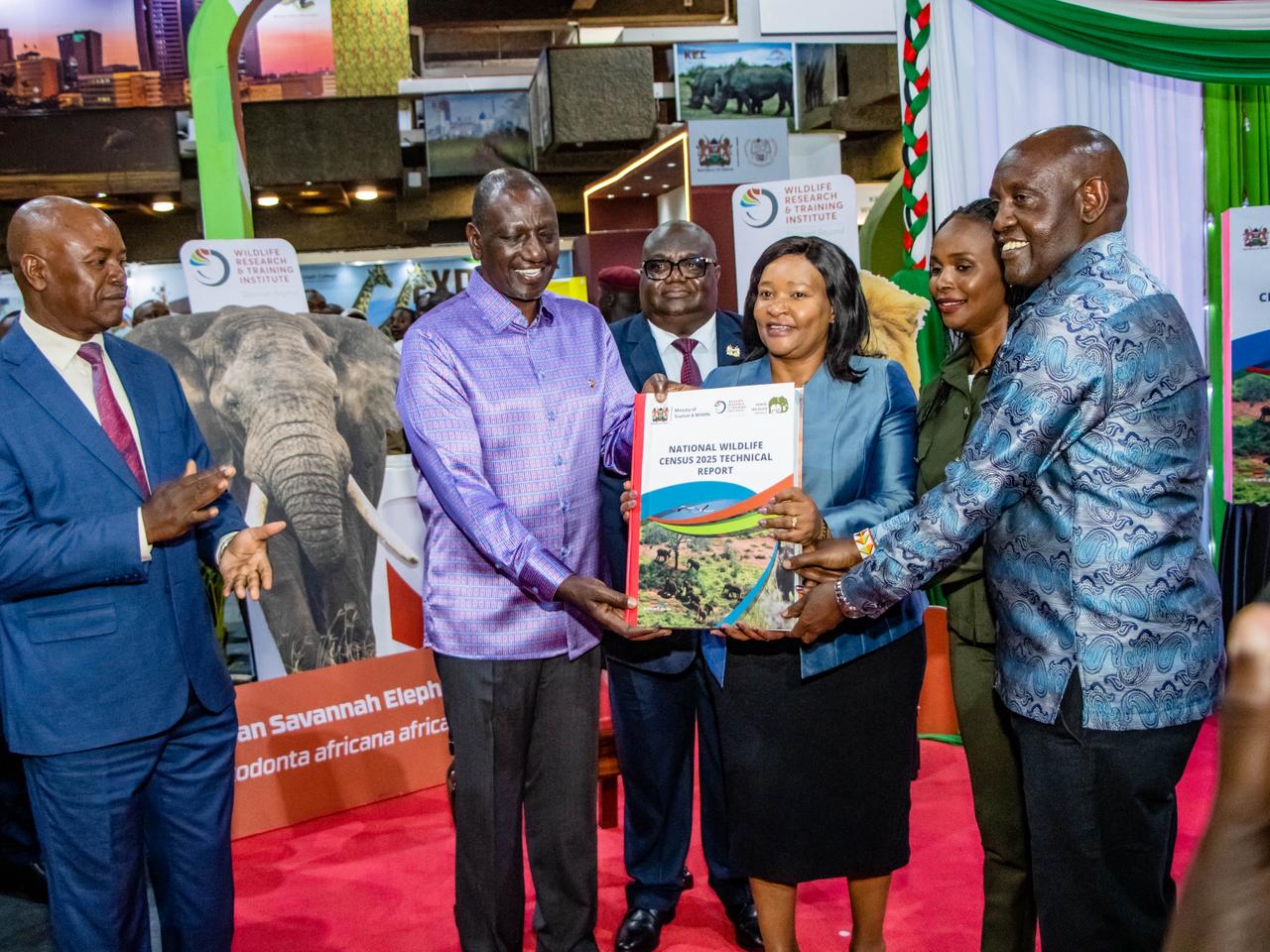
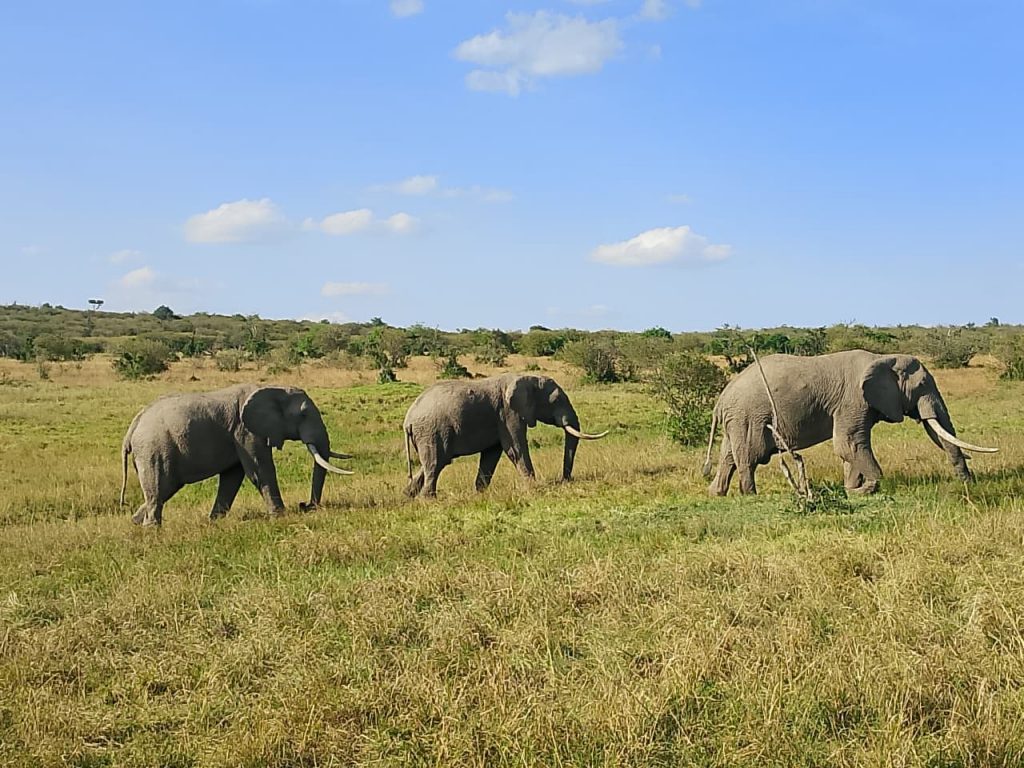
The Kenyan government has released its second-ever wildlife census. As expected, there is good news and there is bad news. Elephant and rhino populations have recovered, thanks to intensive protection.
However, other groups, including ungulates, carnivores and birds have experienced sharp declines. Marine species in many areas are also at a critical stage.
The inaugural 2021 census led to many initiatives that addressed falling animal numbers. It provided valuable recommendations on research, monitoring, funding, community engagement, legislation, technology, and institutional capacity. Many of these have been implemented and results have been encouraging.
Rebecca Miano, Cabinet Secretary for Tourism and Wildlife, praised the progress achieved since the first report was released, saying: “This report tells a story of Kenyan resilience, confirming the triumphant recovery of key species such as the black rhino and the mountain bongo, alongside stable or growing populations of the Big Five. It highlights the critical role of private and community conservancies, which now serve as vital refuges for wildlife beyond state-protected areas. These are not small achievements; they are a solid foundation for the future.”
But the study shows areas that need to be addressed urgently. One key finding was in the rapid increase in livestock, which often compete for nourishment resources with wildlife.
Historical records show that growing livestock populations, coupled with poor husbandry practices, have increased in rangeland ecosystems that also serve as critical wildlife habitats.
Reduced rainfall and recurring droughts linked to global climate change have also negatively affected wildlife populations. Since the last National Wildlife Census in 2021, Kenya has experienced both droughts and floods, impacting wildlife and livestock species alike, including cattle, sheep, goats, camels, and donkeys.
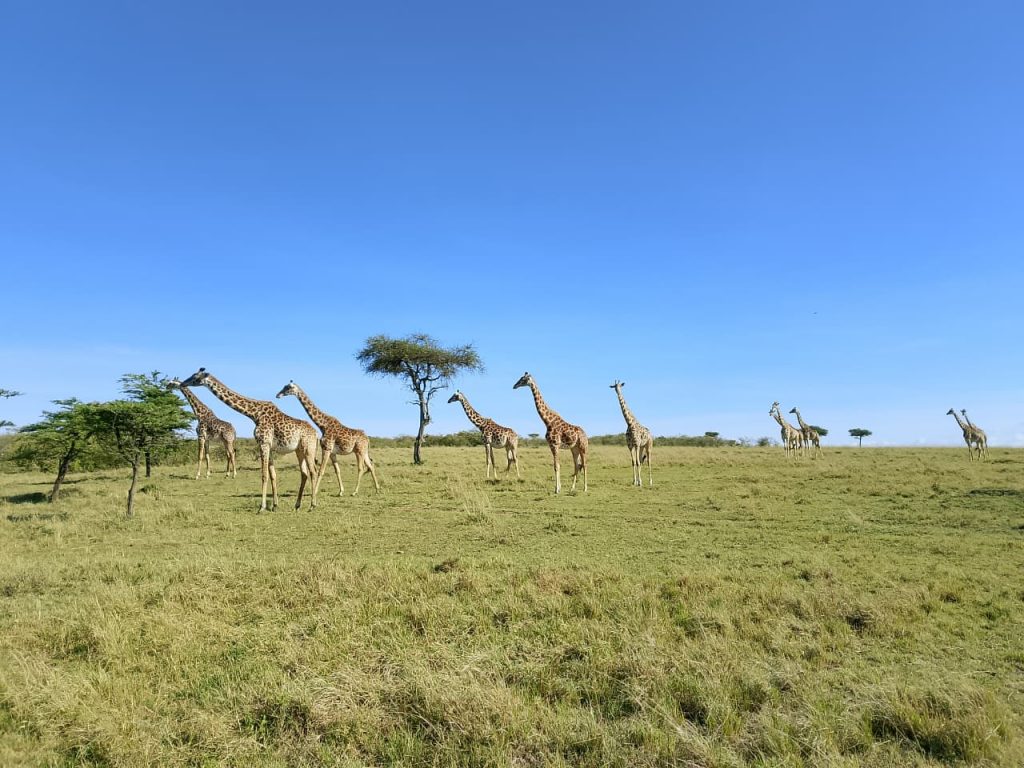
The report zeroes in on key species that have been a concern. The elephant population has increased by almost 6000 since 2021. Rhinos are up by about 300, and the giraffe population has increased by almost 8000. Lesser-known, but more threatened animals seeing an increase include Mountain Bongo, which added about 30 new members, and Roan Antelope, which went from 15 creatures to 21.
But others saw a decline. The Grevy’s zebra numbers dropped by about 200. And the Rangeland Buffalo by over 14,000. The hirola, or Hunter’s Antelope, population was cut in half, from 497 to 245. And the small number of Sable Antelopes dwindled from 51 to 40.
Perhaps the biggest concern is the damage to aquatic ecosystems. Wetland bird populations have fallen by 8–97% in key habitats. For example, Lake Elementaita’s bird numbers dropped by 97% between 2023 and 2025. Only Mida Creek recorded an increase. Marine ecosystems, a cornerstone of Kenya’s Blue Economy, continue to face pressure from habitat degradation and unsustainable exploitation.
This project is immense, deploying resources from the Wildlife Research and Training Institute, the Kenya Wildlife Service and the Ministry of Tourism & Wildlife. Getting these numbers means working from air, land and sea, and employing a number of novel practices to get accurate data. The report gives details on such efforts, as follows.
Large herbivores in Savannah habitats: two main aerial techniques were applied to count and estimate large mammals (greater than impala), Ostriches and livestock (cattle, sheep, donkeys, camels).
Elephants in forested habitats, the populations in montane and coastal forests were estimated using the dung density method.
Large carnivores: Large carnivores were surveyed using Spatially Explicit Capture–Recapture (SECR) models. This method integrates spatial information with identification of individual animals, allowing estimation of abundance and distribution.
Black and white rhino numbers were acquired from the routine individual identity-based monitoring. Data were obtained through direct observation, digital photography, and night surveillance with infrared equipment.
Hippos and crocodiles were counted along shorelines and by aerial or boat surveys. Waterbirds were enumerated under the International Waterbird Census (IWC) following the respective standard protocols and coordinated by the National Museums of Kenya. Marine mammals were counted using aerial total counts.
The Census is, of course, an exercise involving numbers. But the final report goes beyond the numbers, identifying both the factors increasing or decreasing those statistics, and recommending policies to address endangered populations.
These recommendations include providing resources to secure identified priority wildlife corridors. Fast-track completion of the presidential directive on the Athi-Kapiti ecosystem migratory corridor.
They also called for investing in wildlife conservation, at least 10% of wildlife-related tourism revenues obtained from the Tourism Fund.
The Ministry of Tourism and Wildlife was urged to facilitate the joint Kenya Wildlife Service (KWS)- Council of Governors initiative to revive 18 dormant national reserves across the country.
Other recommendations include pilot farming and sustainable utilization of identified species in selected conservancies, initiating socio-economic studies to identify the extent and drivers of bushmeat, and protecting fragile and threatened ecosystems, including those affected by rising Rift Valley Lake levels.
They also suggested that data gaps on key species such as carnivores and small mammals should be closed, sustainable use of marine and aquatic resources should be promoted, and conservation education and youth engagement should be scaled up, while clean energy alternatives to reduce habitat destruction should be promoted.
William Ruto, Kenya’s President, commented, “This census offers more than ecological data, it provides a blueprint for sustainable economic growth. Our targeted investments in the wildlife economy are delivering tangible results. Together with county governments, we will use the census findings to revitalize 18 dormant national reserves across the country.”
Silvia Museiya, Principal Secretary for the State Department for Wildlife, states: “Kenya is undergoing rapid transformation, marked by major infrastructure projects — roads, railways, energy corridors, and expanding urban centers that are reshaping our landscapes. While this progress fuels national growth, it also poses challenges for wildlife conservation, particularly for species dependent on large, connected habitats.” She added: “Successful implementation of the census recommendations will depend on strong partnerships — between government, conservancies, communities, NGOs, academia, the private sector, and development partners.”
Professor Erastus Kanga, KWS Director-General, lends his department’s expertise, saying: “Ultimately, the true value of this census lies in how we use it. KWS is committed to translating these insights into tangible actions; from restoring degraded habitats and mitigating conflict to expanding partnerships that create opportunities for youth, women, and communities.”
Key study partner, Dr. Patrick Omondi, Director/CEO of the Wildlife Research and Training Institute, concludes on an optimistic note, intoning: “This achievement reflects what Kenya can accomplish through science, collaboration, and shared commitment. It marks yet another step toward realizing a sustainable future where our wildlife continues to thrive as a living symbol of our national pride.”
The group has committed to renew the study every three years, ideally providing Kenya with the data it needs, to not only track progress, but also devise new priorities that can drive further conservation success.