By Milliam Murigi
As Kenya accelerates its transition to renewable energy, large-scale projects are being rolled out as symbols of progress.
But on the ground, a different story is unfolding. Across geothermal-rich regions like Mt. Suswa and Menengai, local civil society organizations (CSOs) and communities are pushing back.
Raising concerns that the rush to deliver green energy is coming at the cost of livelihoods, water security and basic rights. At the heart of the conflict is a growing disconnect between policy promises and lived realities.
“The idea of development seems to promise opportunities, modernization, and shared prosperity. Yet lived realities especially for rural, indigenous, and marginalized communities are often dramatically different,” says Penina Nailantei, who works with Sotua Ang Community-Based Organisation.
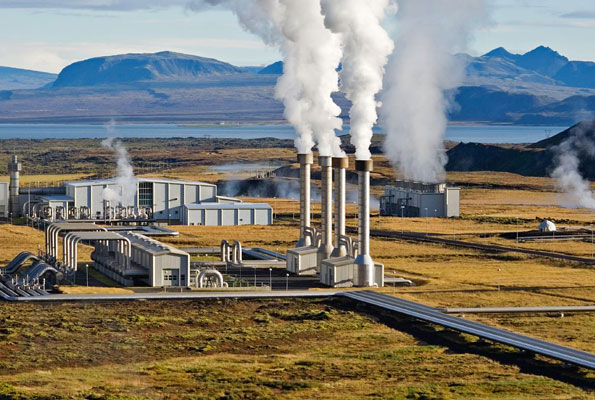
Geothermal power one of Kenya’s flagship renewable energy sources harnesses heat from the earth’s crust to convert underground water into steam, which drives turbines to generate electricity. The technology is widely seen as a reliable and low-carbon alternative to fossil fuels, positioning Kenya as a continental leader in clean energy.
In Suswa, a vast geothermal prospect estimated to hold up to 750 megawatts (MW) of power is set to be developed in phases. The first three phases alone are expected to generate 300MW, reinforcing the country’s push to reduce dependence on fossil fuels and combat climate change. But for local communities, the project represents an existential threat. Disruption of water sources.
For generations, the community has relied on natural steam vents to access water. Now, that lifeline is at risk. For many households, this is not just about water, it is about survival, raising fears that the very resource powering the project could leave them more vulnerable.
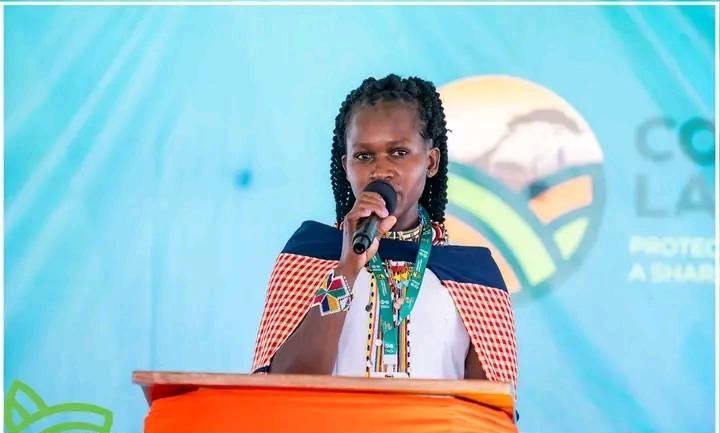
“Too often, decisions are made for communities instead of with them. Land is allocated, projects are launched and futures are shaped without asking the very people who are most affected. Consultation is not a favor. It is a right,” she says.
Adding that “When voices are ignored, trust is broken. When people are excluded, resistance grows. But when communities are heard, included, and respected development becomes meaningful and sustainable. We are not just beneficiaries. We are rights holders. Our voices matter. Our consent matters.”
Her words reflect a deeper anxiety shared across the region: that the very resource being harnessed for national development is also what sustains local survival.
While geothermal energy is widely celebrated as clean, communities argue that its extraction is not without consequences especially when those most affected are excluded from decision-making processes.
According to Nailantei, local CSOs were not given adequate opportunity to air their views before the project was commissioned. This lack of meaningful engagement has fueled resistance, with communities now mobilizing to halt further development.
“The project is in its early stages. Rigs have been mobilized for exploration drilling. There is ESIA reports and that means Free, Prior and Informed Consent (FPIC) has not been applied,” she reveals.
FPIC, is a standard that requires communities, particularly indigenous groups, to be adequately informed and freely give consent before projects affecting their land and resources are implemented.
This tension is not unique to Suswa. In Menengai Crater, another geothermal hotspot, communities are also resisting Phase II expansion plans onto private land that is home to over 163,000 households. The project, led by the Geothermal Development Company (GDC) and independent power producers (IPPs), has sparked concern, with residents saying the impacts of Phase I within the caldera are already being felt far beyond the project area.
They also accuse project proponents of failing to fully implement mitigation measures, despite interventions and oversight from regulatory bodies such as NEMA, the National Environment Complaints Committee (NECC), and the National Environmental Tribunal.
The Menengai project is backed by a $198.4 million investment from international partners, including the African Development Bank Group, which provided $120 million through its concessional financing window. Additional funding has been mobilized from partners such as the Strategic Climate Fund, the Trade and Development Bank, and the Finnfund.
Under the project structure, GDC is responsible for exploring and developing geothermal steam resources, while Globeleq, OrPower 22, Kaishan and Sosian Energy are developing and operating one of the plants at the Menengai fields. Electricity generated will then be evacuated through the Kenya Electricity Transmission Company and distributed to consumers by the Kenya Power and Lighting Company.
The residents from 16 villages surrounding the crater, however, have voiced strong opposition through Mwesfo (Menengai West Stakeholders Forum) CBO. Their concerns range from lack of meaningful public participation to fears of displacement, loss of farmland, and health risks. Residents say that while public participation was technically conducted, it excluded those most directly affected.
“Those consulted were from villages like Kampi-Ya-Moto, Morop, about 20 kilometers away from the project site,” says Gabriel Bunei, a local community member. “The people who will feel the real impact were not properly involved.”
Despite being framed as a cornerstone of Kenya’s clean energy transition, the project has sparked complaints about noise, air pollution and environmental degradation. For many residents, the promise of “green” energy rings hollow when weighed against immediate disruptions to their daily lives.
Frustrated by what they see as a lack of response at the local level, CSOs have increasingly turned to project financiers hoping that those funding the projects would intervene or enforce accountability. But here too, they encounter another barrier.
“When we take our complaints to financiers despite being in their internal recourse mechanism policy, their response is not timely, unsatisfactory or at times clearly ignores the concerns of the locals and would say their hands are tied,” says one CSO representative. “They say they only provide funding, and that communities should hold the local implementing companies to account.”
This response, activists argue, exposes a critical gap in the accountability chain. While financiers set environmental and social safeguards on paper, communities say enforcement often falls short in practice leaving affected populations caught between distant funders and local implementers.
The result is a cycle of frustration, where grievances are passed from one actor to another without clear resolution. Communities have been profiled as hostile and anti-development. But, community leaders are clear, their resistance is not a rejection of development. What they are demanding is inclusivity and a say in how that progress is defined and implemented.
“Communities have no choice but to push back,” says Bunei. “They are fighting for their rights, their lives, and their environment. But this does not mean they are rejecting progress.”
As Kenya positions itself as a leader in renewable energy, the growing resistance from CSOs and local communities raises critical questions: Can the transition truly be called just if it sidelines those most affected? And can sustainability be achieved without equity?
For now, in places like Suswa and Menengai, the answer from communities is clear. Development, must not only be green it must also be fair.