By Milliam Murigi
A growing wave of substandard and falsified malaria medicines is threatening to reverse years of progress in the fight against one of Africa’s deadliest diseases, health experts caution.
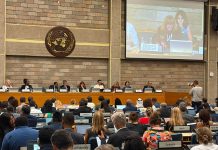
Speaking during the World Health Summit Regional Meeting, Dr. André-Marie Tchouatieu, Head of Global Medicare Affairs at Medicines for Malaria Venture (MMV) said up to 20 per cent of malaria drugs circulating in parts of Africa are either poor quality or fake leaving millions at risk of ineffective treatment.
In some studies, the figure is even higher, with estimates suggesting that as many as one in three malaria medicines sampled across the continent could be substandard or falsified.
“This is not just a supply issue, it’s a public health crisis,” he said. “Patients believe they are being treated, but in reality, they may be receiving medicines that contain little or no active ingredient.”
Malaria remains a leading cause of illness and death across Sub-Saharan Africa, accounting for the vast majority of global cases. In 2024, the world recorded approximately 280 million infections and more than 600,000 deaths, with children under five bearing the heaviest burden.
While deaths had previously declined, recent data show a worrying stagnation and in some areas, a slight increase in both cases and fatalities. Health experts say poor-quality medicines are a significant but often overlooked factor.
“When patients receive ineffective drugs, they remain sick for longer, and in severe cases, they die from a disease that is entirely treatable,” said Tchouatieu. “It also erodes trust in health systems and healthcare providers.”
Beyond immediate health risks, Tchouatieu revealed that substandard medicines are also accelerating the emergence of drug-resistant malaria strains. Weak or incomplete treatment allows the parasite to survive and adapt, making existing therapies less effective over time.
The challenge is compounded by limited surveillance and weak regulatory systems. Many countries lack routine post-market drug testing and data on medicine quality is often fragmented or outdated.
According to him, between 2017 and 2021, nearly 900 cases of substandard or falsified medicines were reported globally, with incidents increasing by roughly 30 per cent each year. In West Africa alone, authorities seized an estimated 605 tonnes of illicit medicines during the same period. However, he cautions that such figures likely represent only a fraction of the true scale of the problem.
“Most cases go undetected. We are dealing with partial data from seizures, not a complete picture of what is circulating in communities,” he said.
The good thing, according to Tchouatieu, is that efforts are underway to address the crisis. Regional bodies such as the Africa Centres for Disease Control and Prevention and the African Medicines Agency are working to strengthen regulatory harmonisation and improve oversight of pharmaceutical supply chains.
There is also increasing investment in digital tracking systems, laboratory networks and pharmacovigilance programmes to monitor drug safety and effectiveness in real time.
Global donors, including mechanisms like the Global Fund, are also helping by expanding access to quality-assured malaria treatments. However, despite the progress, Tchouatieu says that gaps remain, particularly in the private sector, where regulation is often weaker.
Access itself is still uneven. Only about 40 to 50 per cent of malaria patients in Africa receive recommended treatments, and a significant proportion of those may be exposed to non-quality-assured drugs.
“To eliminate malaria, we must not only expand access to treatment but also guarantee the quality of every dose,” he emphasised.
Tchouatieu called for urgent investment in integrated surveillance systems that link laboratory testing, supply chain monitoring, and patient outcomes—allowing faster detection and response to poor-quality medicines.
Strengthening local pharmaceutical manufacturing and achieving international quality standards will also be key, alongside improved data sharing and regional cooperation.
“Protecting the cure is essential,” he said. “If we cannot trust the medicines we use, we risk losing the progress we have made.”