By Milliam Murigi
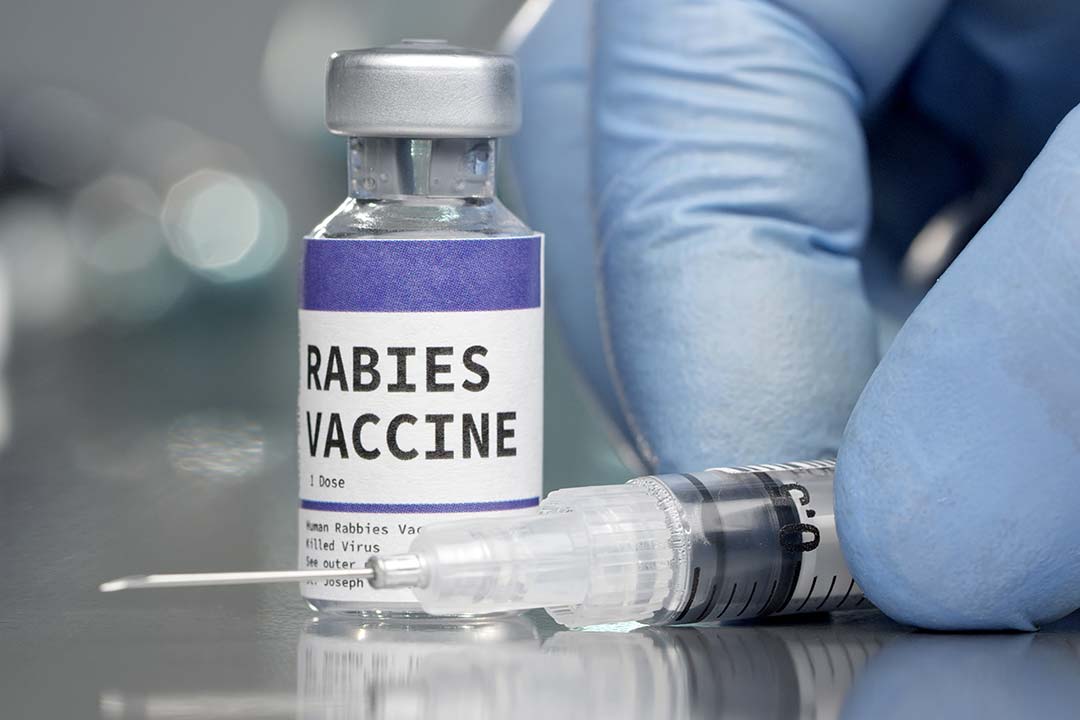
A new clinical trial conducted in Tanzania has shown that a single-dose rabies vaccine could provide strong and long-lasting protection.
The findings, published in The Lancet, come at a time when rabies continues to claim an estimated 59,000 lives every year globally.
The disease disproportionately affects Africa and Asia, with children among the most vulnerable due to exposure from infected dog bites.
Despite the existence of effective vaccines, access remains uneven, and prevention efforts are often constrained by logistical and health system challenges.
“One of the major barriers has been the requirement for multiple clinic visits to complete the vaccination schedule. In rural and low-resource settings, where distances to health facilities are long and healthcare infrastructure is limited, ensuring patients return for follow-up doses is often difficult. This gap in adherence has been identified as a key factor limiting the effectiveness of rabies control programmes,” says Dr Omary Hassan, a scientist at Ifakara Health Institute and one of the study contributors.
The new study, led by scientists from the University of Oxford in collaboration with the Ifakara Health Institute, evaluated an experimental vaccine known as ChAdOx2 RabG, which is designed to provide protection in a single dose.
A total of 174 participants were enrolled in the study, including 63 adults and 111 children aged between two and six years. Researchers monitored immune responses over time to assess both the strength and durability of protection provided by the vaccine.
“The results showed that the single-dose vaccine triggered significantly stronger immune responses compared to existing rabies vaccines. After one year of follow-up, antibody levels in vaccinated individuals remained substantially higher than those observed with standard single-dose regimens,” he adds.
In adults, antibody levels were approximately five times higher than those produced by conventional vaccines. In children, the response was even more pronounced, with levels more than eight times higher than standard single-dose vaccines.
The findings in children were particularly significant. Nearly all vaccinated children maintained antibody levels above the threshold considered protective against rabies after 12 months, suggesting strong and sustained immunity.
Importantly, the study also found that the single-dose vaccine outperformed the standard two-dose regimen recommended by the World Health Organization(WHO) in paediatric populations, highlighting its potential to simplify vaccination schedules without compromising effectiveness.
“The results offer renewed hope for improving rabies prevention in high-risk communities. By demonstrating that a simpler and more affordable vaccination schedule can provide strong protection, this trial brings us closer to making rabies prevention accessible to the populations that need it most,” says Dr. Omary.
Prof. Sandy Douglas of Oxford’s Jenner Institute, the developer of the vaccine and the study’s senior author said that while current vaccines are effective, they are often difficult to deliver where they are needed most.
A single-dose vaccine could simplify logistics, reduce costs, and expand access especially in remote areas where repeated clinic visits are challenging.
“The potential benefits of a single-dose rabies vaccine extend beyond clinical effectiveness. A simplified regimen could significantly reduce the logistical burden on health systems, lower delivery costs, and improve vaccine coverage in remote regions where maintaining cold chains and ensuring repeat visits are major challenges,” she says.
Current rabies vaccination strategies often require multiple doses administered over several days or weeks, which increases the likelihood of incomplete vaccination. This is particularly problematic in rural communities, where patients may not return for follow-up appointments due to distance, cost, or lack of awareness.
By reducing the requirement to a single dose, health authorities could improve adherence rates and expand access to life-saving protection, especially among children who remain the most affected group.
Despite the promising results, researchers caution that the vaccine is still under evaluation. Participants in the trial will continue to be followed for several years to determine how long protection lasts and whether immunity remains strong over time. Larger studies will also be needed before regulatory approval and widespread deployment.
“If future trials confirm these findings, we believe the vaccine could represent a major breakthrough in global rabies control efforts. It could help accelerate progress toward elimination targets set by international health agencies and bring the world closer to reducing preventable rabies deaths to zero,” says Dr Ally Olotu of Ifakara Health Institute, another contributor to the study.