By Milliam Murigi
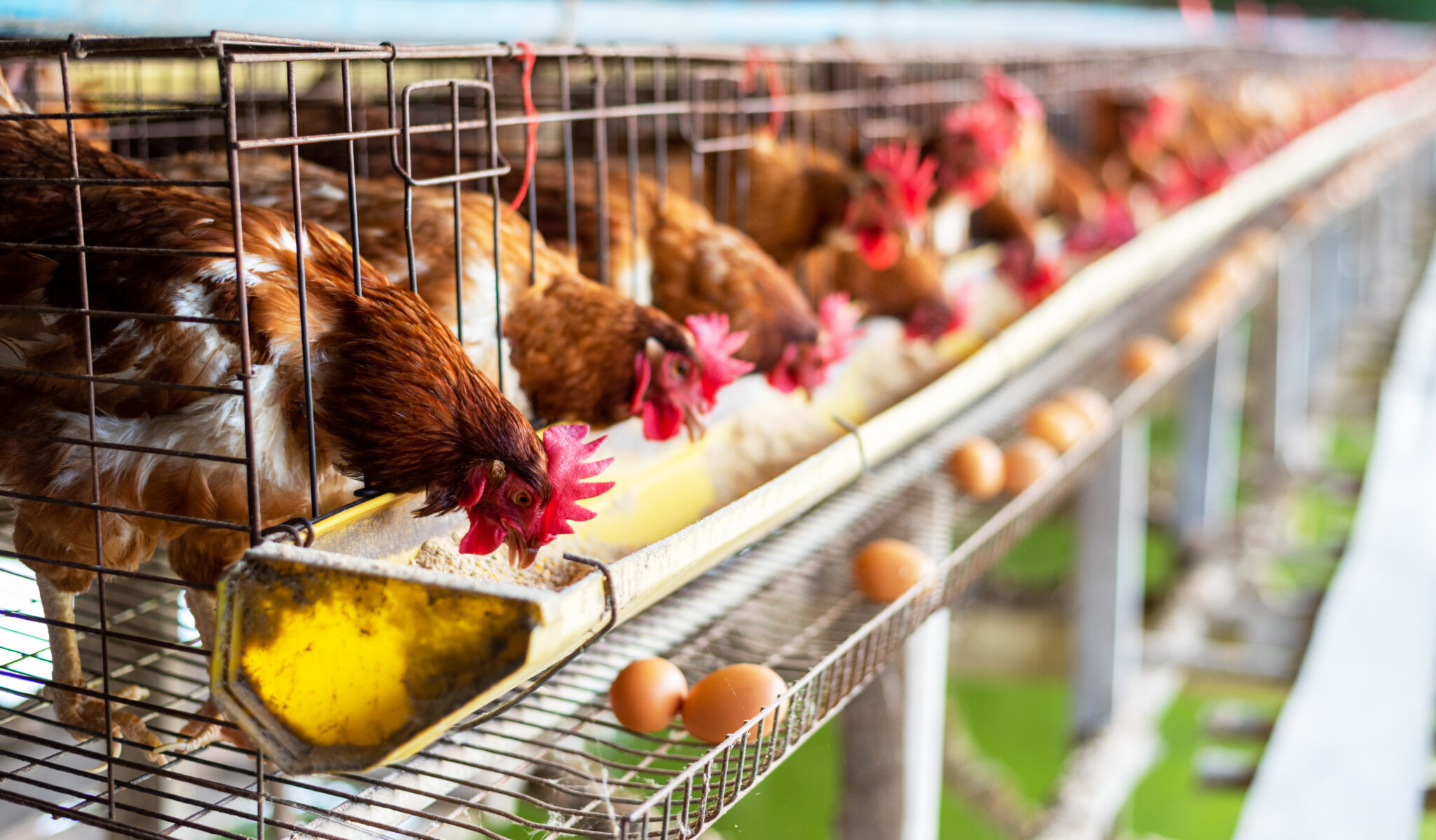
Factory farming is not only taking a toll on animal welfare, but it is also shortening human lifespans and inflicting irreversible damage on the environment, a new report reveals.
Dubbed the Factory Farming Index (FFI), the report by the World Animal Protection reveals that intensive farming of chickens, pigs, and cows for eggs, meat, and dairy causes 1.8 years of healthy life to be lost per person globally.
“This is the first attempt to calculate the widespread harm caused by this food system. Very little research currently exists on the multiple effects of the immense global factory farming industry,” said Tricia Croasdell, CEO of World Animal Protection.
According to the report, the main drivers of this loss include antibiotic resistance. Factory farms use 66,000 tonnes of antibiotics, double the amount used in human medicine, to prevent disease in crowded and unsanitary conditions. Healthy animals are often treated with antibiotics to compensate for stress and the high risk of disease associated with intensive farming practices.
Pulmonary disease is another cause. Large volumes of animal waste release ammonia, nitrous oxide, and fine particulate matter, linked to respiratory illnesses, particularly among people living or working near these facilities.
“Excess meat consumption is another contributor. High consumption of red and processed meat is associated with colorectal cancer, heart disease, type 2 diabetes, stroke, kidney disease, and potentially dementia,” added Croasdell.

According to the report, even individuals who do not consume factory-farmed animal products are affected, as the system contributes to antibiotic resistance and air pollution, indirectly reducing human lifespan.
Factory farming also has a massive environmental impact. It is a major contributor to greenhouse gas emissions, accounting for roughly 29.7 percent of the global agrifood system’s total emissions. It is responsible for around 25 percent of human-caused water pollution, largely from excess nitrogen and phosphorus.
Additionally, the industry consumes 14 percent of all human freshwater withdrawals, approximately 530 trillion litres annually and occupies cropland the size of India (350 million hectares), mostly to grow animal feed.
“Beyond human health and environmental costs, factory farming causes immense animal suffering and drastically shortened lifespans. Globally, farmed chickens live only five percent of their potential lifespan, and pigs just four percent. In the United States, this drops to 1.3 percent (as little as 35 days) for chickens and three percent (160 days) for pigs. Cows live longer, particularly in dairy production, but welfare remains compromised,” reveals Croasdell.
The report emphasizes that improving animal welfare alone is insufficient. The only lasting solution is a shift away from factory farming toward a humane, equitable, and sustainable food system. This involves increasing plant-based foods in diets, supporting small-scale producers who prioritize care for animals and land, and ensuring any remaining animal farming meets the highest standards for welfare, environmental protection, and human health.
“We need to support countries in looking to the future of how they feed their populations without damaging human health, animals, and our planet,” she concluded.
Dr. Victor Yamo, Executive Director, Global One Health Advocacy Alliance says that the crisis of factory farming is a quintessential “One Health” problem, where the health of humans, animals, and ecosystems are interconnected. Poor animal welfare leads to disease, which threatens humans while environmental degradation worsens both human and animal health.
“Reducing intensive farming and improving animal welfare lowers the risk of zoonotic spillovers,” he said.
In 2020, the production of factory-farmed animals reached 76 billion worldwide, with 46 per cent of chickens, pigs, and cows farmed in just four countries: China, Brazil, the USA, and Indonesia. The highest consuming countries, on average per person, includes Israel, Panama, Belarus, and Qatar. The highest per capita consuming countries include Israel, Panama, Belarus, and Qatar, with an estimated ten animals consumed per person annually.