By Gift Briton
Bill Gates has announced that most of his $200 billion charitable pledge will go to Africa over the next 20 years.
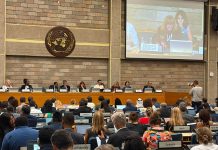
The Gates Foundation Chair said while addressing over 12,000 officials and partners online and in person, at the African Union headquarters in Addis Ababa, noting that he will partner with governments that prioritize public health and wellbeing.
“I recently made a commitment that my wealth will be given away over the next 20 years. The majority of that funding will be spent on helping you address challenges here in Africa,” he said.
The foundation aims to focus the $200 billion on three goals: ending preventable deaths of mothers and babies, eliminating deadly infectious diseases, and lifting millions out of poverty.
Gates emphasized primary healthcare as the top priority, underscoring that investing in maternal health and child nutrition in the first four years delivers the strongest results.
“With primary healthcare, what we’ve learned is that helping the mother be healthy and have great nutrition before she gets pregnant, while she is pregnant, delivers the strongest results. Ensuring the child receives good nutrition in their first four years as well makes all the difference.”
Gates highlighted how countries like Ethiopia, Rwanda, Zimbabwe, Mozambique, Nigeria, and Zambia are showing what’s possible when bold leadership harnesses innovation. From expanding frontline health services and using data to cut child mortality, to deploying advanced tools against malaria and HIV, and safeguarding primary healthcare despite fiscal strain—these country-led efforts are driving scalable, homegrown progress.
Reflecting on more than two decades of engagement on the continent, he said, “I’ve always been inspired by the hard work of Africans even in places with very limited resources…The kind of field work to get solutions out, even in the most rural areas, has been incredible.”
Gates spoke about the transformative potential of artificial intelligence, noting its relevance for the continent’s future. He praised Africa’s young innovators, saying he was “seeing young people in Africa embracing this, and thinking about how it applies to the problems that they want to solve.”
Referencing the continent’s mobile banking revolution, he added, “Africa largely skipped traditional banking and now you have a chance, as you build your next generation healthcare systems, to think about how AI is built into that.”
He pointed to Rwanda as an early example of this promise, noting, “Rwanda is using AI to improve service delivery. E.g. AI-enabled ultrasound, to identify high-risk pregnancies earlier, helping women receive timely, potentially life-saving care.”
In Ethiopia and Nigeria this week, Gates will see first-hand the state of health and development priorities in the wake of foreign aid cuts, and he will affirm his and the foundation’s commitment to supporting Africa’s progress in health and development over the next 20 years.
The Gates Foundation currently operates offices in Ethiopia, South Africa, Kenya, Nigeria, and Senegal. Over two decades, it has helped save more than 80 million lives through partnerships with Gavi and the Global Fund.
Gates will travel to Nigeria this week to meet President Bola Ahmed Tinubu and discuss primary healthcare reforms. The foundation plans to sunset its operations after 20 years.