By Milliam Murigi
Kenya has taken a major step toward modernizing wildlife conservation by launching a new digital system designed to improve how wildlife data is collected, shared and protected.
The initiative, unveiled during the Global Conservation Tech & Drone Forum (GCTDF 2026), will see the country develop what experts are calling “Smart Biospheres.”
A Smart Biosphere is an integrated digital ecosystem using internet of things (IoT) sensors, artificial intelligence (AI), and data analytics to monitor environmental conditions including wildlife, in real-time to enhance conservation, sustainable land management, and policy decisions.
At the centre of the initiative is a nationally available LoRaWAN Network Server, a digital platform that enables wildlife tracking devices, ranger tools and environmental sensors to securely send data across conservation areas in real time.
“The future of effective conservation depends on our ability to share knowledge responsibly and build systems that are both interoperable and secure. We are moving from isolated projects to integrated intelligence,” said Jonty Slater, GCTDF’s co-founder.
The project is being led by the Kenya Wildlife Service (KWS) with support from the Connected Conservation Foundation (CCF), Actility by Netmore and the Konza Technopolis Development Authority.
The platform establishes a national digital infrastructure aimed at strengthening connectivity across conservation landscapes while ensuring that wildlife tracking data remains stored and governed within Kenya.
Hosted at Konza Technopolis, the system ensures that sensitive conservation data remains under the control of KWS and complies with the Kenya Data Protection Act 2019. By keeping the data within the country, the platform strengthens Kenya’s local data ecosystem and is designed to be self-sustaining in the long term.
This also allows conservancies and conservation partners to securely share data for the first time, improving how wildlife is monitored across different landscapes.
“The future of conservation will depend on building digital infrastructure that allows information collected in the field through ranger devices, wildlife tags, and environmental sensors to be securely shared and analysed at a national or regional level,” said Slater.
The system replaces fragmented conservation networks with a national platform that allows wildlife tracking devices, ranger trackers, and environmental sensors to operate seamlessly across different ecosystems.
Through 62 network gateways and 23 conservation partners, the system already covers millions of hectares of conservation land. It allows wildlife tracking devices to connect across large ecosystems, much like mobile phones connect to different network towers.
This means animals moving between ecosystems such as the Maasai Mara, Lewa and other conservancies can be monitored continuously.
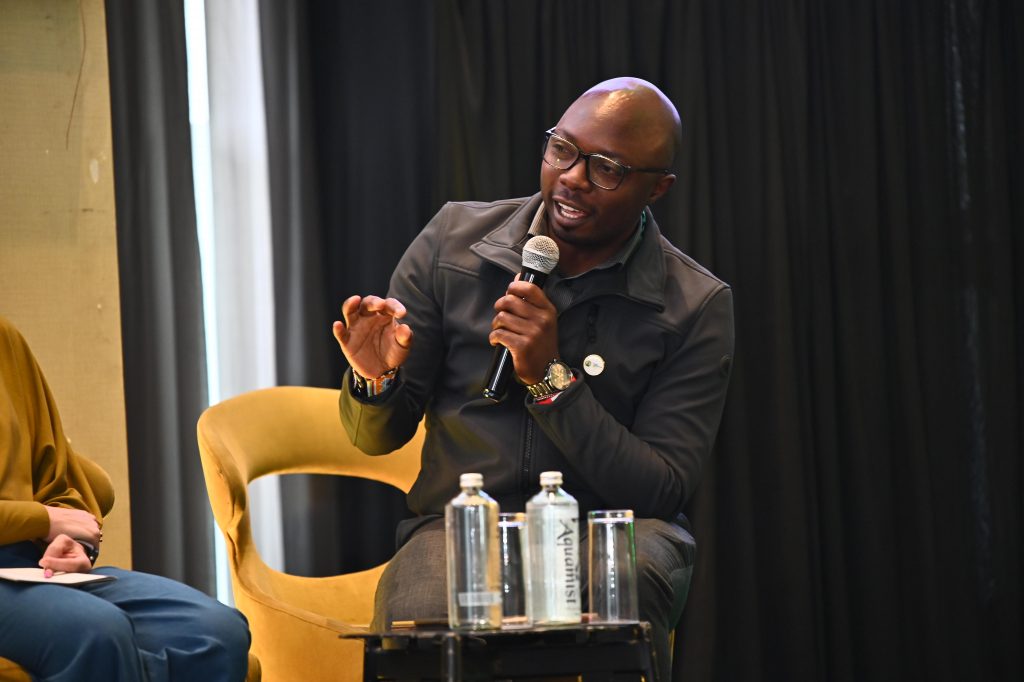
“The conversation is no longer just about a single drone or a sensor. It is about building systems, shared data standards, and secure platforms that allow intelligence to flow from the field to conservation managers and policymakers,” said Munyala Mwalo , Design Director, Action Labs Africa.
The system is built on a shared-cost structure designed to make the technology accessible to different stakeholders. Conservation charities can access the platform free of charge, while farmers and academic institutions can use the network by making a small contribution to the cooperative. The platform is managed through a transparent governance structure to ensure accountability and sustainability.
The Smart Biosphere initiative places Kenya among countries exploring how digital infrastructure can strengthen wildlife protection. By combining technology, cooperation, and responsible data governance, the system aims to improve how ecosystems are monitored and managed while supporting long-term conservation efforts.