By Christine Wanjiku
On a sunlit morning in Kanyuambora area, Mbeere North Constituency, Embu County, Eastern Kenya, Mary Wanjiku walks through her cotton field.
The crop looks green from a distance, almost promising. But up close, the damage tells a different story. Instead of full and white bolls many are shriveled, their fibres stained and eaten through.
She pulls one apart to reveal the culprit, tiny holes and dark residue left behind by bollworms. These are pests that burrow into cotton bolls, feeding on the seeds and fibres, weakening the plants, reducing yields, and forcing farmers to spray repeatedly with costly pesticides.
“Every season I lose part of my harvest to these pests. You spray, but they still come back,” she says.
Wanjiku has heard about genetically modified cotton, the one that resists this destructive pest and reduces the need for costly pesticides. However, she remains cautious about trying it.
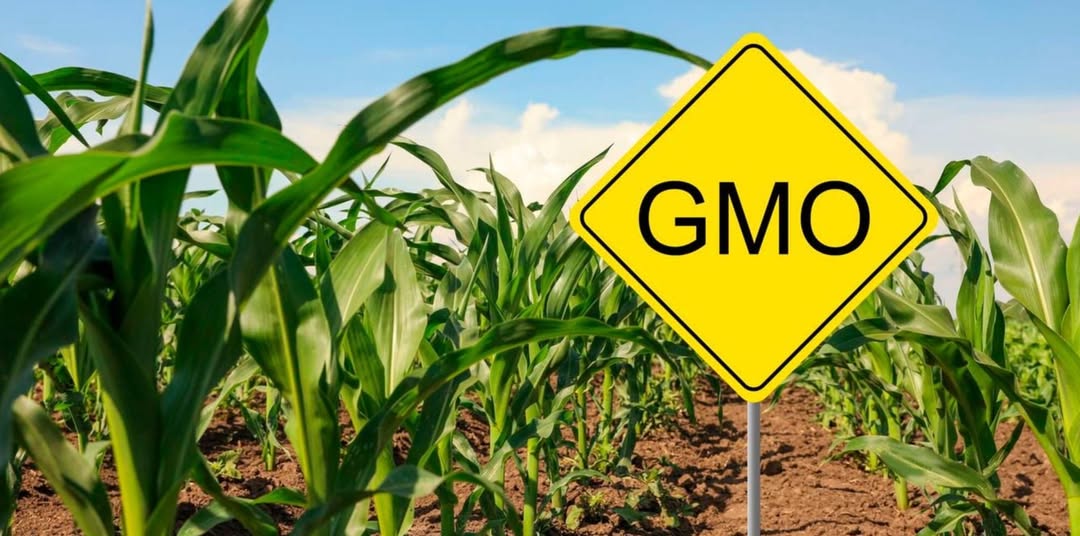
Her uncertainty reflects a wider national paradox. Kenya has officially approved genetically modified organisms (GMOs), yet public trust remains fragile, fragmented and deeply contested.
In 2022, the government lifted a decade-long ban on GMOs, signaling a major policy shift aimed at boosting food security amid worsening climate shocks. Institutions like the Kenya Agricultural and Livestock Research Organization (KARLO) and the National Biosafety Authority (NBA) have since intensified efforts to promote biotech crops such as Bt maize and cotton.
However, policy approval has not translated into public acceptance. Across markets, farming communities and urban households, skepticism lingers fueled by years of conflicting messages, activism and limited public engagement.
In cotton-growing regions where Bt cotton has been reintroduced, adoption has been slower than expected. Some farmers who have tried the seeds have reported improved yields and reduced pesticide use. But many remain cautious.
This fear has also affected introduction of BT maize and GM potatoes. Bt maize, whose commercialization could have occurred in 2019, has been delayed by prolonged court cases that challenge its safety and regulatory approval.
Vitumbiko Chinoko, climate change specialist, says the delay cost was estimated at USD 67 million (Sh8.6 billion) between 2019 and 2024, with potential gains of USD 218 million (Sh28.1 billion) by 2029.
According to Josphat Muchiri from NBA, the fear of GMOs in Kenya is not simply about science it is about trust. For years, public discourse around biotechnology has been shaped by sharp divides. Advocacy groups, including Greenpeace Africa, have warned of potential environmental and health risks, while scientists insist that approved GMOs are safe.
Caught in the middle are ordinary Kenyans, navigating a complex information landscape.
“We hear scientists say it is safe, but we also hear others say it is dangerous. Who do we believe?” says Wanjiku.
This confusion has been amplified by misinformation especially on social media where unverified claims about GMOs causing cancer, infertility or soil degradation circulate widely.
Scientific consensus globally including positions from bodies like the World Health Organization holds that approved GMOs are safe for human consumption. Yet in Kenya, scientific assurance often fails to resonate. Experts say this disconnect stems from a communication gap.
“We have focused too much on the science and not enough on the people,” says a researcher affiliated with African Agricultural Technology Foundation. “Trust is built through dialogue, not data alone.”
For many farmers, the issue is not just safety but control. Questions around seed ownership, cost and dependence on external suppliers weigh heavily. Market uncertainty is also a contributor. Without clear demand signals, farmers are reluctant to take risks even with government backing.
The GMO debate in Kenya has also become deeply political. Legal battles including petitions that once halted GMO imports have reinforced public perception that the technology is controversial and unresolved.
Each court ruling, policy reversal or public protest adds another layer of doubt. For consumers, this raises a fundamental question: If GMOs are safe, why is there so much disagreement?
At its core, Kenya’s GMO challenge is communication. Public awareness campaigns have often been top-down and technical. Farmers say they rarely receive clear, accessible information tailored to their concerns. The good thing is, some initiatives are beginning to use farmer field days, local radio and peer-to-peer learning to demystify biotechnology.
What can be done to rebuild trust? Bridging the trust gap will require more than policy approval. Experts point to the need for, community engagement, transparent communication and independent voices.
“Biotechnology offers potential solutions but without public trust, its impact will remain limited,” says Chinoko.