By Milliam Murigi
Kenya and its international partners are stepping up efforts to restore degraded rangelands and strengthen pastoral livelihoods amid growing threats from drought, climate change, and land degradation.
Speaking ahead of the World Day to Combat Desertification and Drought 2026, government officials, researchers, and development partners called for urgent investments in climate-resilient pastoralism, sustainable livestock systems, and community-led rangeland management.
“Restoring rangelands is not only an environmental necessity but also a pathway to improving livelihoods, reducing vulnerability to climate shocks, and securing a more resilient future for pastoral communities,” said Jonathan Mueke, Principal Secretary for Livestock Development.
According to his speech which was delivered on his behalf by Dr. Allan Azegele, Director of Veterinary Services at the Ministry of Agriculture and Livestock Development, Kenya’s livestock sector must grow without damaging fragile ecosystems.
“We must ensure that growth in the livestock sector does not come at the expense of the ecosystems upon which we depend,” he said.
Nearly 80 percent of Kenya’s land is classified as arid and semi-arid, supporting millions of pastoralists who rely on livestock for food and income. Across Africa, pastoral lands produce more than 75 percent of the continent’s milk and over half of its meat production.
But experts warned that recurring droughts, shrinking grazing corridors, population growth, and land fragmentation are placing increasing pressure on pastoral systems.
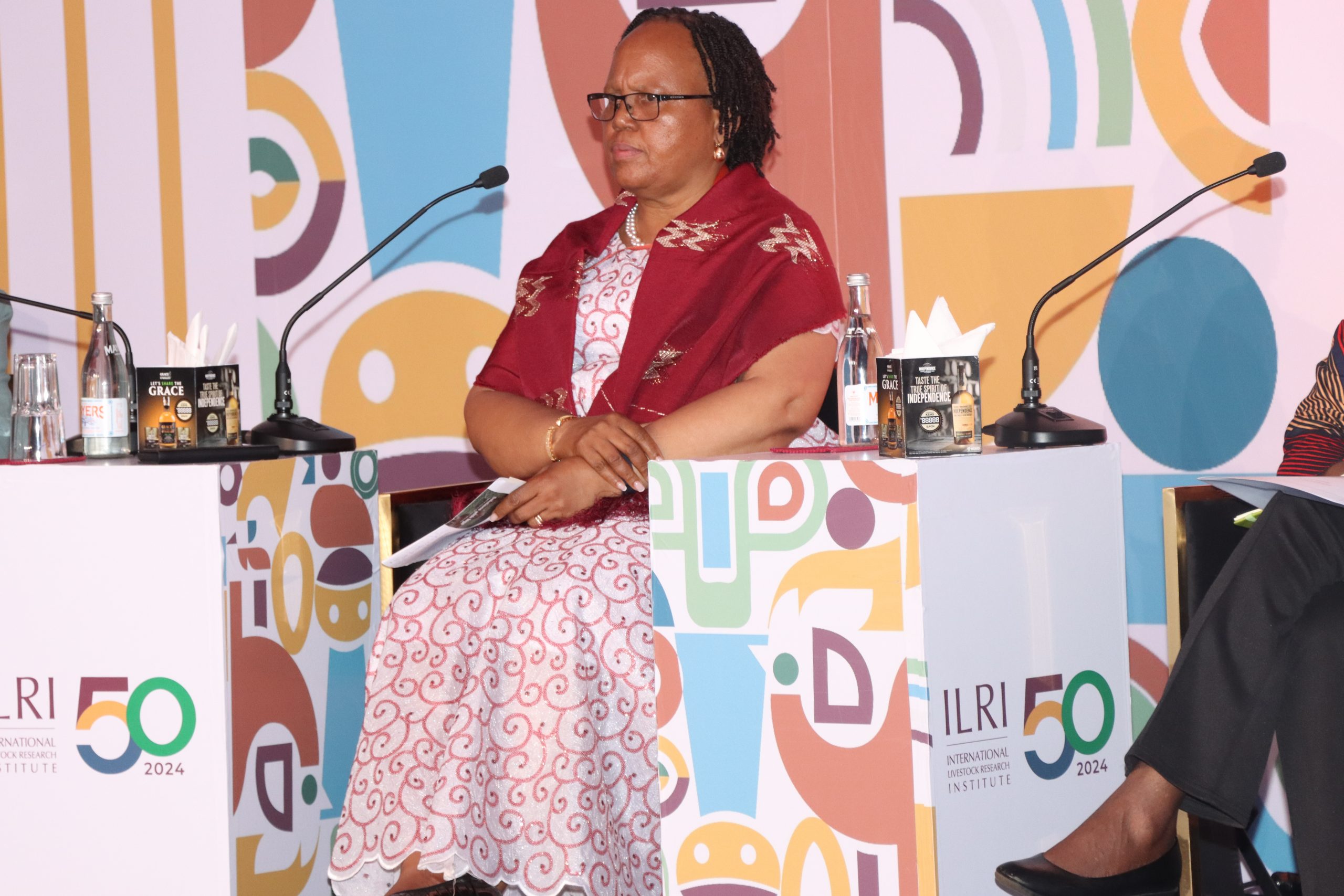
Dr Siboniso Moyo, Deputy Director General for Research and Development at ILRI, said pastoralist communities possess critical indigenous knowledge needed to manage drylands sustainably and adapt to climate variability.
“Pastoralists have been managing these landscapes for centuries, moving with the seasons and adapting to variability in ways that even modern technologies sometimes struggle to predict,” Dr Moyo said.
“Their accumulated knowledge is one of our most underutilized assets in the fight against land degradation and climate change.”
The meeting emphasized the need to shift from reactive humanitarian responses to long-term resilience building through participatory rangeland management, drought preparedness, and climate-smart livestock production.
Counties such as Baringo have already integrated participatory rangeland management into county development plans following pilot programmes that involve pastoralists, women, youth, and county governments jointly developing grazing and water management plans.
Stakeholders also highlighted the growing role of technology in supporting pastoral communities. Index-based livestock insurance programmes operating in Kenya and Ethiopia since 2010 use satellite data to trigger payouts automatically during severe droughts, helping families recover before losing entire herds.
Researchers are also using mobile phone platforms to collect real-time information on grazing conditions, livestock health, and market prices to improve drought response systems.
“We already have the evidence and the solutions,” Dr Moyo said. “What we need now is political will, long-term investment, and collective action.”
The government said it is implementing several policies aimed at supporting pastoral communities and restoring degraded ecosystems, including the Bottom-Up Economic Transformation Agenda, the National Livestock Policy, and the national drought management framework.
Kenya has also pledged to rehabilitate 2.5 million hectares of degraded landscapes and rangelands as part of broader environmental restoration efforts.
“Targeted and locally tailored interventions are needed to unlock the economic potential of pastoral communities and strengthen resilience against climate shocks,” added Mueke.
Marren Keller, from German Embassy said Germany would continue supporting Kenya’s dryland restoration and resilience programmes through long-standing bilateral cooperation.
“Once you leave Nairobi, you immediately see that most of Kenya is arid and semi-arid. These landscapes are essential for livelihoods, biodiversity conservation, climate regulation, and resilience to recurrent droughts,” Keller said.
Germany currently invests more than 215 million euros in Kenya’s agri-food sector, with nearly half of the funding targeting livelihoods and resilience.
Keller also announced a new four-year programme, jointly funded with the European Union, targeting climate-sensitive agriculture and pastoralism in Turkana, Marsabit, and Baringo counties.
Beyond Kenya, Keller said Germany is supporting global efforts to combat desertification through the United Nations Convention to Combat Desertification (UNCCD), whose secretariat is hosted in Bonn, Germany.
He noted that Germany is financing a global report on the economics of rangeland restoration aimed at demonstrating the economic value of dryland ecosystems and attracting investment into restoration efforts.
“Once people realize the value of these ecosystems, they are more willing to invest in and protect them,” she said.
The discussions come as countries prepare for the next United Nations Convention to Combat Desertification conference and the 2026 World Day to Combat Desertification and Drought, whose theme focuses on restoring and protecting rangelands.