By Milliam Murigi
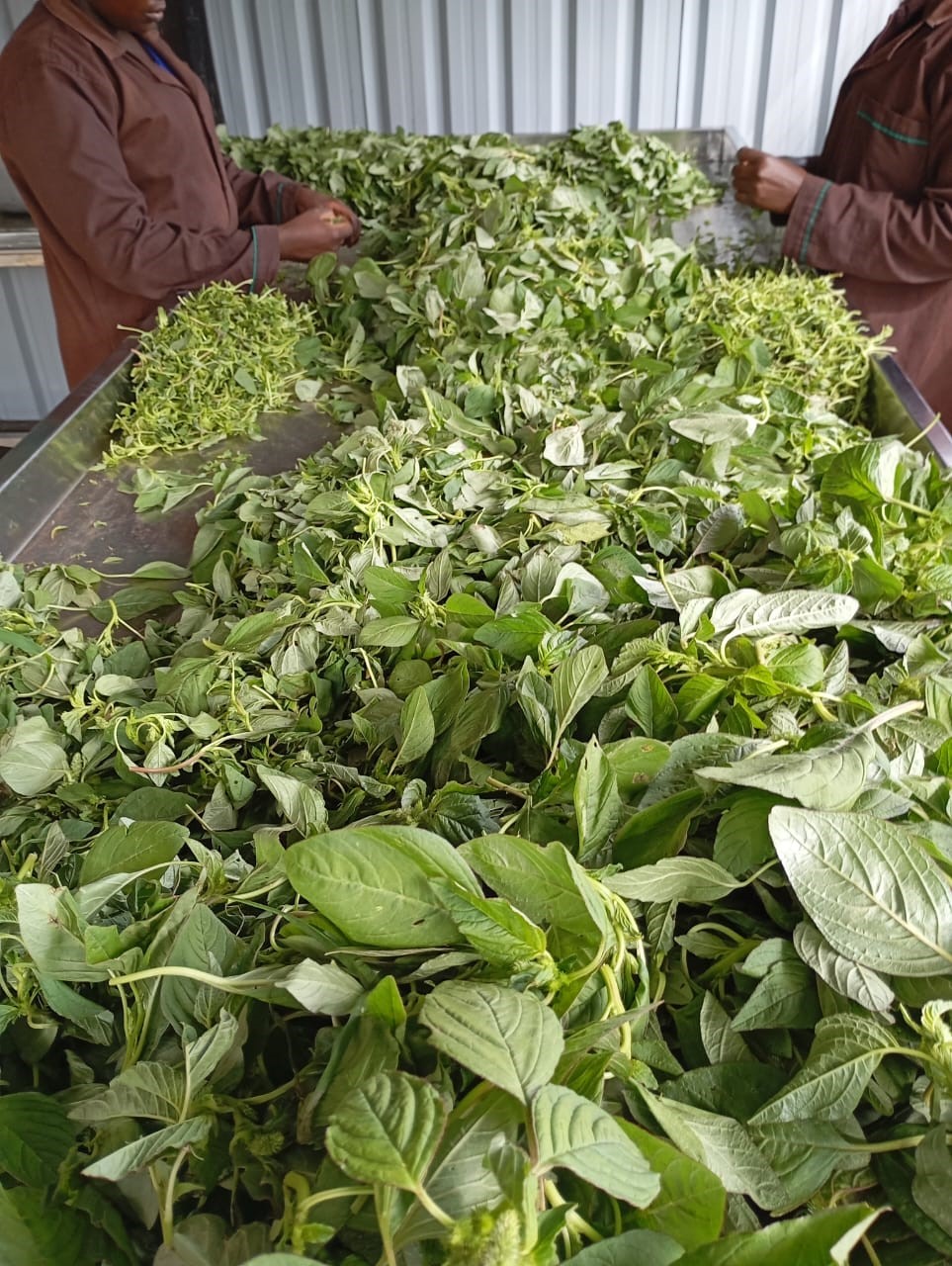
When dawn breaks over Kanyawa village in Gilgil, Nakuru County, Kenya, Agnes Kabogoro steps into her small farm. The morning mist still hugging rows of indigenous vegetables including managu and terere.
For years, this moment came with both pride and dread. Pride because her vegetables have always been among the best in her community. Dread because no matter how hard she worked, she could never control what happened after harvest.
On good days, middlemen paid albeit late and on bad days, they didn’t pay at all. And during seasons of glut, piles of fresh vegetables rotted at her feet as she waited for buyers who never came.
“Sometimes I lost more than I sold,” she recalls. “Brokers delayed payment, prices were low, and I had no way of preserving my vegetables.”
Post- harvest losses is a major problem not only faced by Kabogoro alone but by millions of smallholder farmers across Africa. A 2025 study protocol published in a scientific journal, the frontiers, notes that Sub-Saharan Africa loses up to 50 percent of fruits and vegetables produced annually.
In Kenya alone, more than 70 percent of smallholder farmers still lack access to cold storage, according to the World Bank, leaving them vulnerable to spoilage and volatile markets.
According to the Kenya Ministry of Agriculture, Kenya loses an estimated Sh150 billion worth of food annually to post-harvest losses, a figure that is rising as climate change brings more floods, erratic rainfall, and extreme heat.
To address these staggering losses, farmers, cooperatives, and agribusinesses across East Africa are increasingly turning to solar-powered technologies a shift driven by rising temperatures, unreliable electricity, and the growing demand for cleaner, low-cost preservation methods.
Solar drying, in particular, has emerged as one of the most widely adopted innovations for vegetables because it preserves nutrients and extends shelf life without the need for grid power.
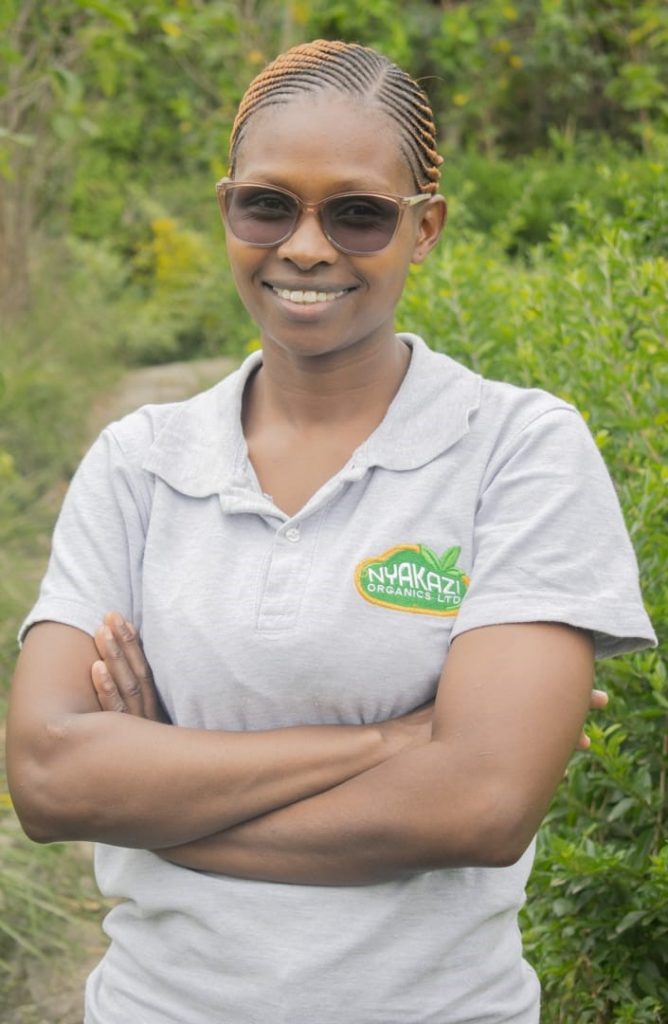
“Nyakazi Organics, a youth- and women-led Kenyan social enterprise is one of the enterprises that are using solar dryers to reduce food losses and empower rural women. We use a locally made solar dryer powered entirely by sunlight to dry indigenous vegetables and fruits,” says Mercy Manyange, the co-founder and operations lead.
It is because of this adoption that Kabogoro now earns a consistent income, saves money for school fees and participates in a women’s table-banking group. She has been contracted by Nyakazi to be supplying them vegetable. The technology has not only stabilized her earnings, but given her dignity and control over her work.
The solar dryer uses trapped heat to dry the vegetables in two to three days, compared to a week under traditional sun-drying. It shields vegetables from dust, insects, and contamination, producing a hygienic, nutrient-rich product with a shelf life of up to one year.
“We chose to use a solar dryer because it is energy-efficient, unlike electric dryers that are expensive and often inaccessible to smallholder farmers in rural areas. Apart from that, unlike traditional sun-drying, which exposes produce to dust, pests, and uneven drying, the solar dryer provides a controlled environment, ensuring high-quality, safe, and hygienic vegetables for consumers,” adds Manyange.
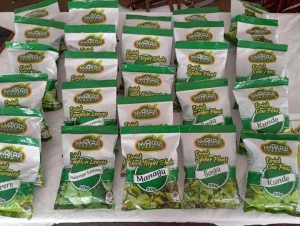
Since 2023, Nyakazi has processed over 20 tonnes of vegetables. They source fresh produce from more than 200 smallholder farmers most of them women. This translates into thousands of kilos saved from loss, stabilised incomes, and increased household food security.
A survey conducted by Seed Savers Network, an organisation that trains farmers on organic and agroecological farming practices, shows that Nyakazi suppliers have increased their average monthly income from vegetables by 30–50 percent after joining the programme. Time spent in markets has dropped by up to 80 percent, freeing women to focus on childcare, education, or other income-generating activities. The programme has also eliminated produce rejection, a sharp contrast to the high levels of spoilage farmers often face in traditional open-air markets.
“Nyakazi Organics has really helped me as a farmer. I only need to communicate with them and supply my vegetables without having to go to their enterprise, which gives me time to focus on other chores at home. Before, I would spend the whole day at the market trying to sell my vegetables,” says Beatrice Ndungu, a farmer from Langalanga Village in Gilgil.
Solar agricultural technologies are not only gaining momentum in Kenya, but this growth has also been witnessed across East Africa, supported by government programs, private-sector investments, and donor-backed financing models.
In Uganda, farmers have increasingly adopted solar dryers for fruits and vegetables, while solar-powered cold rooms have helped significantly reduce spoilage of perishable crops. In Tanzania, government-supported drying hubs and solar-powered irrigation pumps have helped farmers increase dry-season production thus strengthening incomes.
In Rwanda, solar drying has become central to community nutrition programmes, reducing seasonal hunger. Even the Rwanda Agriculture Board is piloting solar-powered agro-processing centres to support women’s cooperatives and improve rural livelihoods.
However, Nyakazi Organics’ success has not been without obstacles. During rainy seasons, slow drying rates limit capacity. At times, vegetable supply exceeds dryer space, forcing the team to manage quality carefully. Policy-wise, small-scale processors still struggle with certification costs and limited access to affordable financing.
In future, Nyakazi plans to expand into new counties with multiple solar drying hubs, introduce new products such as carrot and pumpkin flour, and partner with NGOs and county governments to integrate dried vegetables into school feeding and relief food programs.
They also aim to tap into export markets, meeting the growing demand for nutrient-rich African foods while creating sustainable opportunities for smallholder farmers and women entrepreneurs.
“This technology is simple, but the impact is powerful,” Mercy says. “It protects food, protects farmers, and strengthens resilience. Our goal is to drastically reduce post-harvest losses across the country and show that with the right tools, Kenya is able to fight food insecurity.”
In conclusion, she notes that while the challenge of post-harvest losses remains immense, solutions like solar drying prove that real progress is within reach. What is needed now, is sustained commitment to scale what works and ensure that no farmer’s hard-earned harvest goes to waste.