By Sharon Atieno
With the United Nations treaty to safeguard marine biodiversity on the high seas set to enter into force in January 2026, the conservation of oceans is gaining momentum.
The Kunming-Montreal Global Biodiversity Framework (GBF) also sets a bold and collective mission of protecting at least 30 percent of the ocean by 2030. However, as of June 2025, only 9.6 percent of the ocean has been designated as marine protected areas (MPAs) – 8.7 percent in national waters and less than one percent in the high seas.
It is against this background that oceans are among the new areas of focus in the upcoming Intergovernmental Science-Policy Platform on Biodiversity and Ecosystem Services (IPBES) assessment. The launch will take place in 2026.
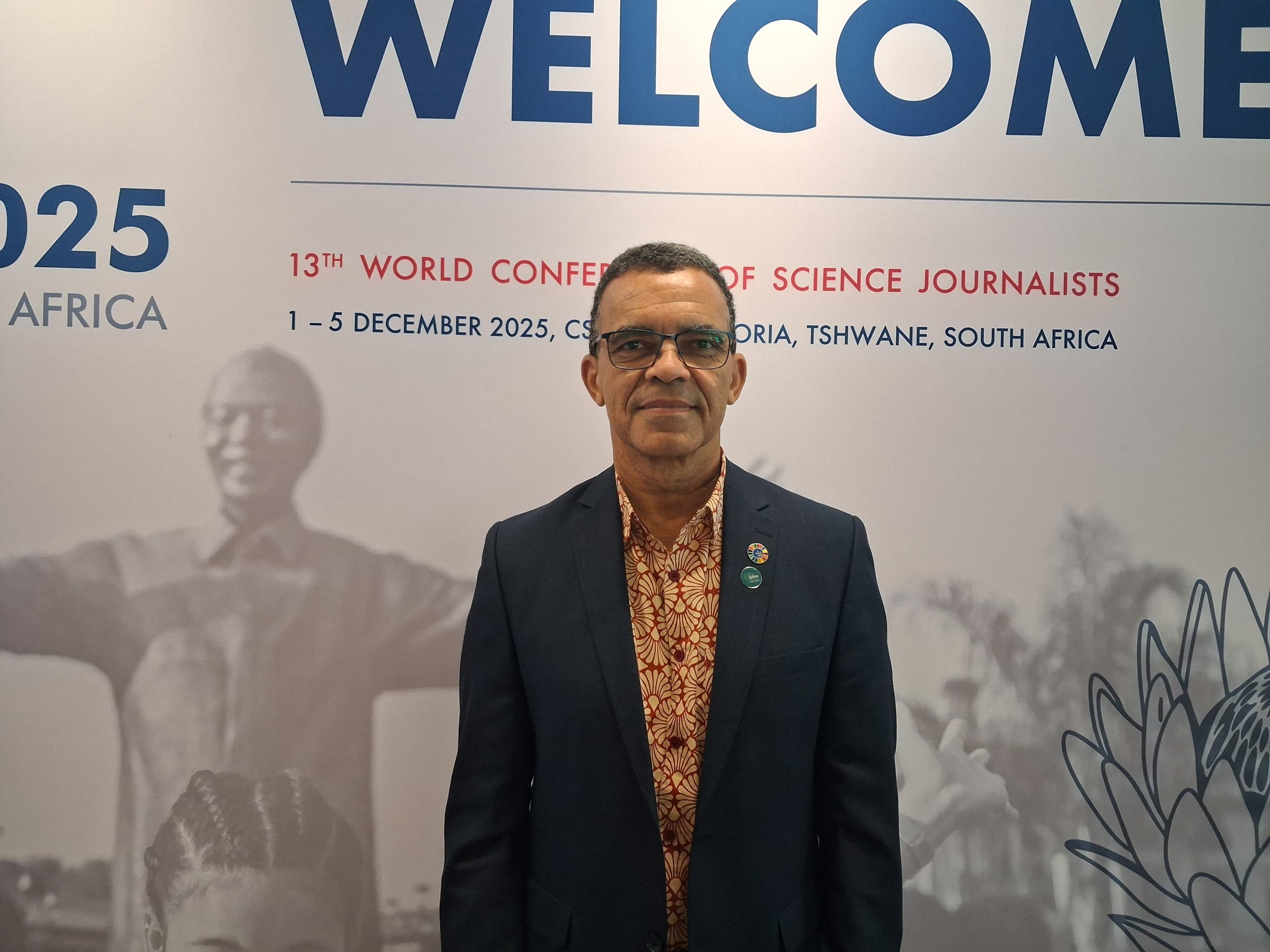
According to Dr. David Obura, IPBES Chair, there is increasing recognition of the importance of oceans, hence increased demand for information on oceans.
In regard to oceans, the assessment will show how oceans and land connect to each other as well as how some pressures on land impact the oceans and vice versa, he said.
Dr. Obura was speaking during an interview at the sidelines of the 13th World Conference of Science Journalists (WCSJ) in Pretoria, South Africa.
With 150 member Governments, IPBES is the global body that assesses the state of biodiversity and nature’s contributions to people, in response to requests from decision-makers, and outlines options for the future based on different socio-economic choices.
The coverage of oceans in the first IPBES global assessment complemented work done by the United Nations’ World Ocean Assessment process.
A major finding of the Assessment included a decline in marine biodiversity. More than 33 percent of reef-forming corals, sharks, shark relatives and marine mammals were threatened with extinction.
Additionally, changes in sea use and direct exploitation of fisheries were identified as the most important drivers of nature decline in marine ecosystems.
Climate change impacts like warming, sea ice retreat and ocean acidification were also projected to significantly affect biodiversity in boreal, subpolar and polar regions.
In Africa, Dr. Obura notes that the warming of oceans in the equatorial regions is likely to make Africans more vulnerable due to the high dependence on fisheries.
Reports indicate that marine heatwaves have become more frequent and more intense. In Africa, marine heatwaves doubled in the North African Mediterranean Sea and along the Somalian and southern African coastlines from 1982 to 2016.
Increased global warming is set to worsen the situation, resulting in a 30 percent contraction of Africa’s USD25 billion annual marine fisheries sector by 2050, with West Africa being the hardest hit.
Meanwhile, IPBES is set to launch its “Business and Biodiversity Assessment ” in February, 2026. The Assessment will look provide authoritative evidence to understand dependencies and impacts of business on nature.
“Engaging with nature is not optional for business – it is a necessity. Businesses are both beneficiaries of nature, and major contributors to its decline – so they have a critical role in ensuring the wise stewardship of our environment,” said Professor Ximena Rueda Fajardo, School of Management at Universidad de los Andes, Co-chair of the IPBES Business and Biodiversity Assessment.
“This is vital for their bottom line, long-term prosperity and the transformative change needed for more just and sustainable futures.”
The IPBES Business and Biodiversity Report will provide decision-makers, including governments, businesses and the financial sector with the critical information necessary to best measure the dependencies and impacts of business on biodiversity and nature’s contributions to people.
It will also inform more integrated business and financial decisions and actions to simultaneously achieve the Sustainable Development Goals (SDGs), the Global Biodiversity Framework and the Paris Agreement.
Additionally, it will recognize and emphasize the role different actors have in addressing challenges affecting nature.