By Sharon Atieno
High-integrity and scalable carbon markets offer a solution to reducing warming temperatures, which are likely to exceed the 1.5°C target in the next decade, while accelerating climate action.
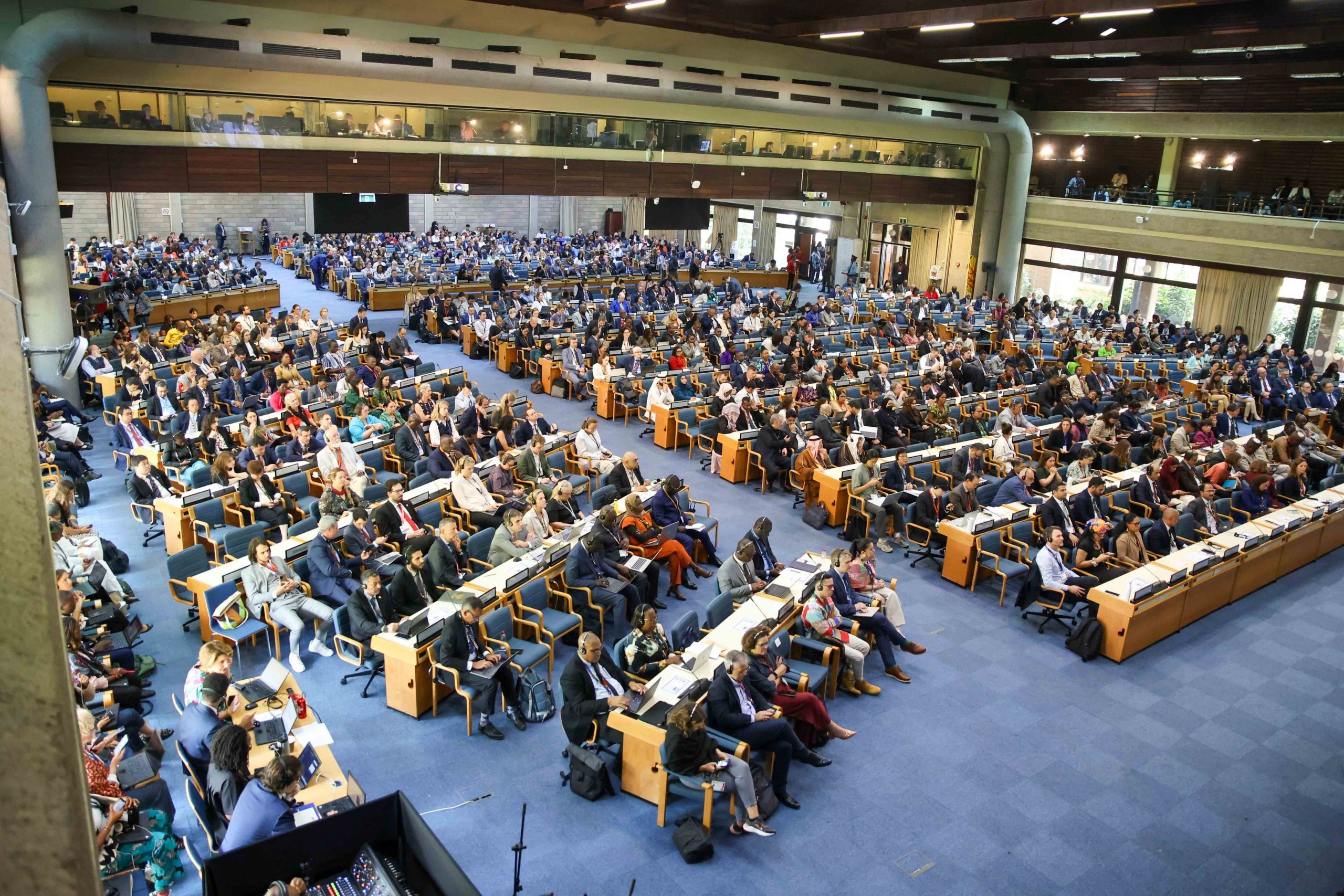
Inger Andersen, United Nations Environment Programme (UNEP) Executive Director, said during a session at the ongoing seventh United Nations Environment Assembly (UNEA-7) in Nairobi, Kenya’s capital. The session was titled High-Integrity Carbon Markets: Impact to Date and the Path to Accelerated Climate Action.
Article 6 of the Paris Agreement establishes a framework for international cooperation on climate action, primarily through market-based mechanisms allowing countries to trade carbon credits (Internationally Transferred Mitigation Outcomes or ITMOs) to meet their Nationally Determined Contributions (NDCs) and unlock finance, ensuring emissions reductions happen where they are cheapest.
“Even with many new Nationally Determined Contributions submitted this year, global warming projections over this century are 2.3-2.5°C. The multi-decadal average of global temperatures will exceed 1.5°C, very likely within the next decade,” she said, adding that even with the world moving rapidly towards greater climate damage, the adaptation finance needed is still falling short.
“When carbon markets are done right, they can accelerate actions at scale: mobilizing finance for mitigation and adaptation, driving innovation and rewarding real emission cuts. Carbon markets are no silver bullet. But they are a critical lever for climate action.”
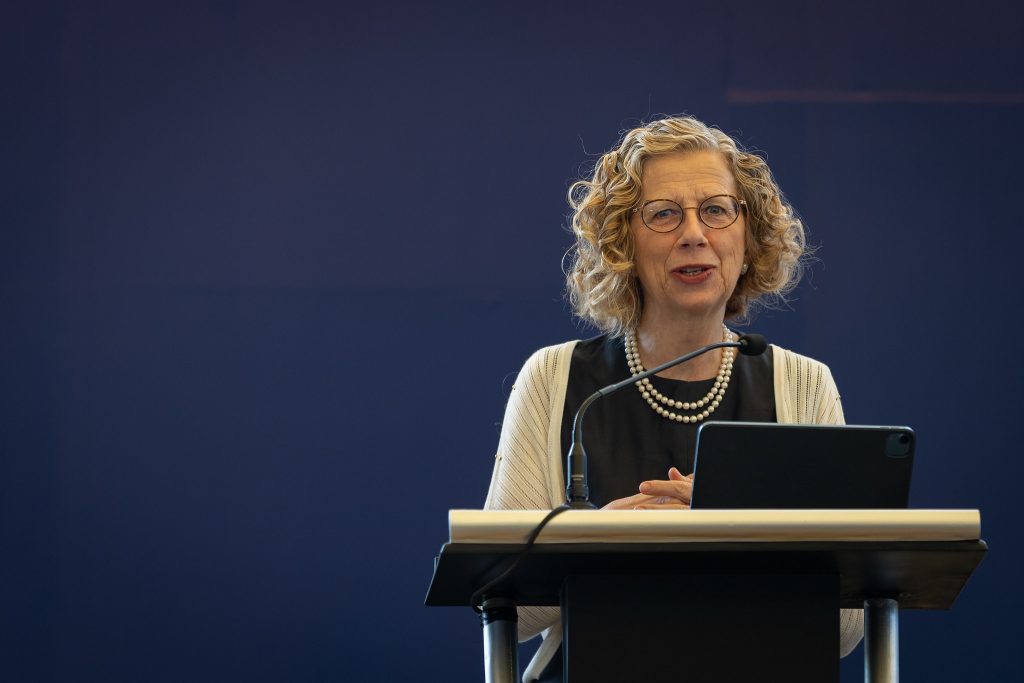
Andersen noted that if policymakers prioritize robust governance, transparency and integrity standards, carbon markets can help to move the world in the right direction on mitigation, while delivering crucial funds to developing countries for climate adaptation and other development needs.
Already, there is increasing demand for carbon markets. The demand in the Carbon Market for International Aviation (CORSIA) has surpassed estimates. It is approaching a volume of 160-210 metric tonnes of carbon dioxide (MtCO2), which is comparable to emissions from Spain or the United Arab Emirates.
The value of transactions was US$535 million in 2024. However, in 2024, the value of broader financing commitments in voluntary markets, including long-term offtake agreements, was US$16.3 billion, or 18 times larger than the value of retirements.
This trajectory, Andersen said, underscores the strategic importance of voluntary carbon markets as a complement to compliance markets and national climate strategies.
Dr. Olufunso Somarin, Regional Climate Head, Climate Change and Green Growth Program, African Development Bank, observed that there was a big opportunity for Africa in the carbon market agenda.
“When you aggregate all of the current credit, whether in the voluntary carbon market or the compliance market on the continent, they only represent 2% of the continent’s potential,” he said, underscoring that there is vast opportunity for the continent to generate carbon revenue, which could help finance climate mitigation and adaptation efforts.
Dr. Somarin noted that the Bank is employing three main strategies to boost carbon activity in the continent. One of them is establishing a new African coalition to support carbon market investment across the continent. This will be achieved by fostering new ideas for policy frameworks, building institutional capacity, improving transaction management, and facilitating project development on the ground.
Another strategy is experimenting with blended finance. The AFDB is exploring innovative financing models, such as leveraging carbon markets to finance clean cooking. This approach seeks to make capital more accessible for carbon projects.
Additionally, the Bank will create a dedicated Africa Carbon Support Facility. With an initial capitalization of $100 million, the facility is designed to support African countries in their carbon market engagement. This includes enhancing market readiness by developing necessary institutional systems, digital infrastructure, and policies that attract private capital as well as attracting a critical mass of project developers across various sectors on the continent, and supporting them with the transaction costs involved in project development.
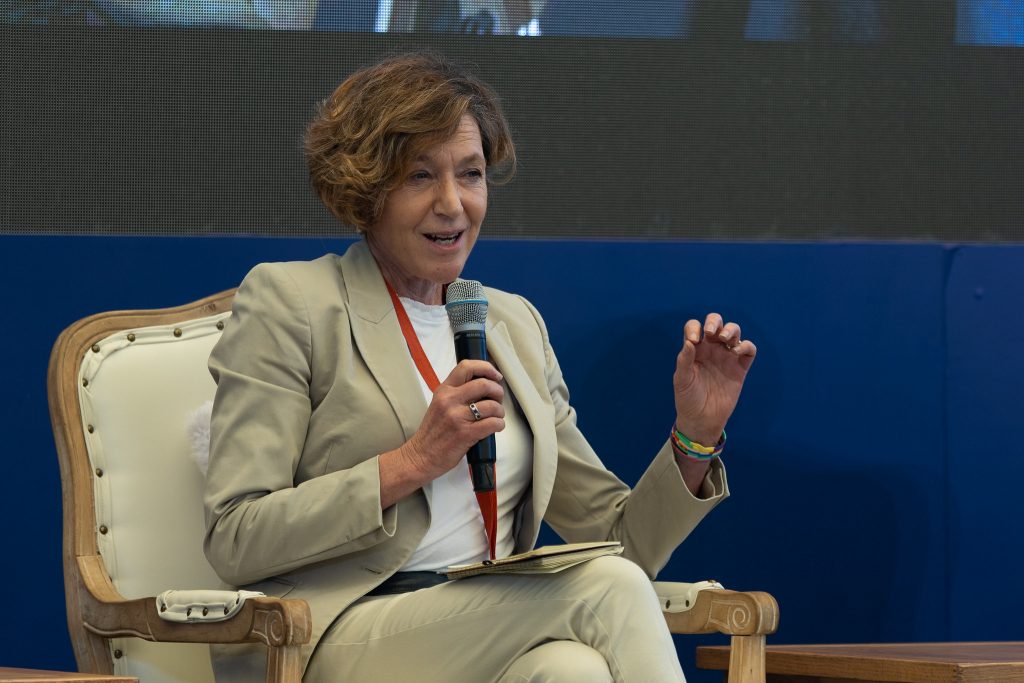
According to Andrea Abrahams, Managing Director, International Emissions Trading Association (IETA) Voluntary Carbon Markets, noted that the carbon market has improved over the years.
For instance, the emergence of rating agencies that classify carbon credits provides investors with valuable quality information, aiding their portfolio decisions. Additionally, new insurance products offer ways to mitigate risks, addressing previous concerns about the quality and reliability of carbon units.
She also observed that coalitions among countries are helping to establish a shared set of rules and principles, helping to deal with data interoperability.
“The way data is recorded in one place should be the same in another place. The way you define the definitions in one place needs to be similar in another place. The way you count carbon emissions in one jurisdiction, you need to count them the same in another jurisdiction. The way you report them has to be transparent and consistent so that you can operate and transact internationally,” Abrahams said.