
By Milliam Murigi
When Mercy Mueni, 23, joined a Nairobi-based university, she expected the usual challenges of campus life, finding her footing, balancing classes, and navigating independence.
What she didn’t expect was to become a victim of a new, fast-growing form of abuse known as Technology-Facilitated Gender-Based Violence (TFGBV).
TFGBV, according to the United Nations Population Fund (UNFPA), is a form of violence that is “enabled, amplified or perpetuated through digital technologies or media” against someone because of their gender.
It began subtly, with mocking comments on her Instagram posts. Then came anonymous messages on WhatsApp threatening to leak conversations and photos she had shared privately. Within weeks, a Telegram channel posted doctored images of her, accompanied by demeaning sexualized comments.
“I didn’t know who to tell,” she says. “I didn’t even think it would be taken seriously. It didn’t look like ‘violence,’ but the fear was real.”
She stopped attending classes for two weeks. She deleted all her social media accounts and withdrew from group work. She felt like the whole world was watching. She even became afraid of her own phone.
Ruth Akinyi, a 29-year-old hairdresser, is another victim of TFGBV. Hers took the form of non-consensual sharing of intimate images. After ending a toxic relationship, her ex-partner posted private photos she had shared with him while they were together.
The images quickly spread through Facebook and neighborhood WhatsApp groups. Eventually, she became an object of gossip in her estate. When she reported the matter at the local police station, an officer asked her why she had taken the photos in the first place, turning what should have been a support process into shame and blame.
“It destroyed me,” she says, holding back tears. “Clients stopped coming to my salon. Some men treated me like I owed them something because they had ‘seen’ me online.”
Akinyi eventually received help from a policewoman, who guided her through reporting to the cybercrime unit. But she still waits for justice. However, according to her, even when one gathers the courage to report, the system makes them feel like it’s their fault.
From leaked photos and cyberstalking to deepfake pornography, impersonation, and online death threats, TFGBV is emerging as one of the most serious forms of violence against women and girls in the country.

“The security sector is aware of the changing landscape. Preparedness is improving but we are not yet where we should be,” says Caroline Njuguna, Chief Inspector.
The rise of smartphones, anonymous accounts, and unregulated digital spaces has created perfect conditions for abuse. Yet many survivors don’t recognize that what they experience counts as violence.
According to a recent study by UNFPA under its “Making All Spaces Safe (MASS)” programme, which covers Kenya, TFGBV affects many women and girls, especially among the youth.
In higher-learning institutions (public, private, technical), a 2024 UNFPA Kenya rapid study found that 34.4 per cent of female students reported online defamation, 24.4 per cent had experienced non-consensual pornography (intimate content shared without consent), and 19.1 per cent of students overall reported cyberbullying.
The main platforms on which TFGBV occurs in Kenya include social media and messaging apps: X (formerly Twitter), WhatsApp, Facebook, Telegram, Instagram, and TikTok.
The vulnerabilities, according to UNFPA, are many. Gender, economic status, physical appearance, limited knowledge of digital safety, and oversharing of personal data online.
“The police now recognize that digital violence is as harmful as physical violence, often resulting in psychological trauma, reputational damage, extortion, and long-term harm,” adds Njuguna.
According to her, police stations across the country are registering TFGBV cases. However, despite there being a clear reporting mechanism (the GBV desks in police stations), under-reporting remains a big problem. Fear and distrust keep survivors silent. Lack of awareness, stigma and fear of retaliation also stop survivors from reporting those cases.
In the UNFPA baseline study, while “one in three respondents experienced TFGBV”, only a fraction sought help. Many cited weak trust in justice systems, limited reporting mechanisms, or simply believing that nothing will come of it.
Kenya also has cybercrime units mandated to handle TFGBV-related incidents, a cybercrime Act which covers offenses like intimidation, identity theft, and sharing intimate images without consent.
However, there is a need for more specialized officers, particularly in digital forensics, evidence extraction from devices, tracking digital footprints and handling sensitive survivor data.
“We need highly trained cybercrime experts, updated tools, and stronger coordination across agencies,” she adds.
As the digital world continues to expand faster than Kenya’s GBV response, organizations such as the Federation of Women Lawyers – Kenya (FIDA-Kenya) and Youth for a Sustainable World (YSW) have refused to sit back and watch. They are at the forefront to curb this form of violence by leading digital-safety training, online-reporting campaigns, and survivor-support initiatives.
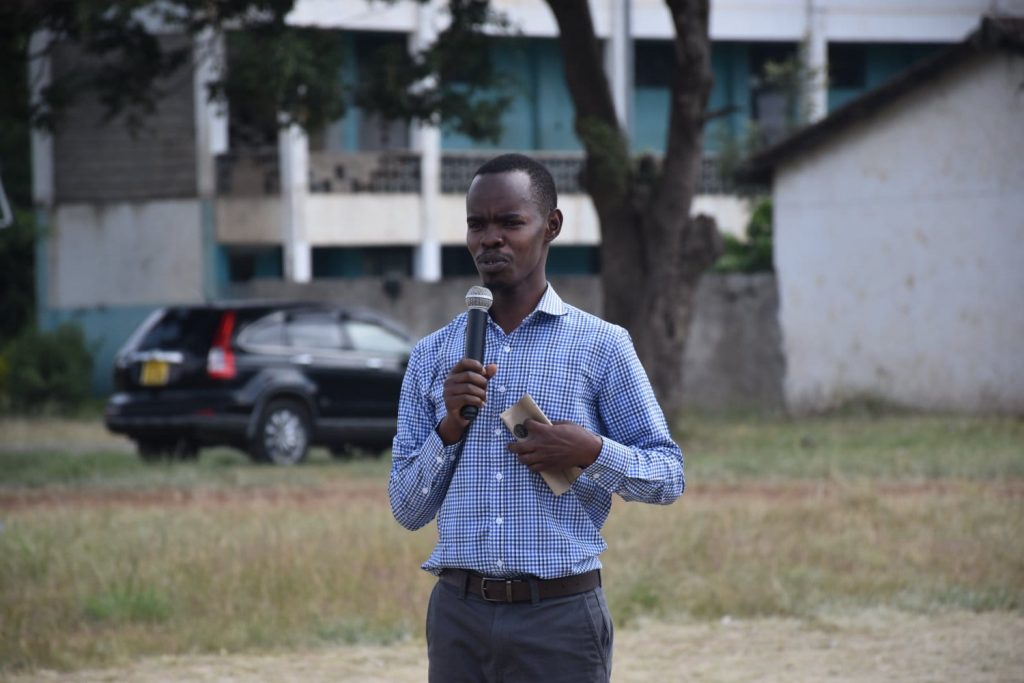
According to Fidelis Adhiambo, Project Lead at YSW, their core work is to inform young people so that if a case occurs, they know how to address it and where to seek help. Awareness, according to him, is the biggest missing piece. Women don’t know what TFGBV is, what their rights are, or what evidence they should collect.
He reveals that if people fail to accelerate interventions to end this form of violence now, TFGBV will grow unchecked, spilling into physical harm, eroding economic opportunities, and silencing women and girls from online spaces where their voices are needed most.
“TFGBV is not just an online problem; it has real-life consequences. If we do not act boldly now, we risk raising a generation that will fear the digital world instead of benefiting from its opportunities,” said Adhiambo.