By Sharon Atieno
A partnership between the Coalition for Epidemic Preparedness Innovations (CEPI) and Merck (MSD) is set to make the Ebola vaccine more affordable and easier to deploy in low-resource settings.
Backed by up to $30 million in CEPI funding, MSD will leverage Hilleman Laboratories, a joint venture of MSD and Wellcome, to develop an Ebola vaccine with an updated manufacturing process.
MSD’s World Health Organization (WHO) pre-qualified Ebola vaccine is recommended for use to help protect against the Zaire ebolavirus, the most common and deadliest type of Ebola virus.
The pathogen that causes Zaire ebolavirus has a survival rate of around 50% and causes frequent and unpredictable outbreaks in African countries, including a recent 2025 outbreak in the Democratic Republic of Congo.
A global stockpile of the vaccine is used to respond to outbreaks of the disease and also supports preventive use for frontline and healthcare workers. However, there are significant barriers to the vaccine’s accessibility and sustainability, which this new collaboration seeks to overcome.
“In a single decade, the world has transformed Ebola from a global emergency to a disease that can be stopped in its tracks – and now CEPI’s support will help to enable a sustainable and accessible supply of MSD’s Zaire ebolavirus vaccine for years to come at a more affordable price,” explains Dr. Richard Hatchett, CEO of CEPI.
“This deal brings together longstanding partners of CEPI with longstanding partners of MSD to boost global defences against one of the deadliest pathogens known to humankind, helping to save lives.”
The existing MSD Zaire ebolavirus vaccine was developed in the midst of the 2014-16 West African Ebola crisis. Its manufacturing process is complex and potentially vulnerable to supply disruptions, which means the vaccine is expensive to make and difficult to produce at scale. In addition, the vaccine must be stored in freezers at ultra-low temperatures of -70 degrees Celsius*, creating substantial logistical challenges in the often remote, low-resource settings where outbreaks of Ebola typically occur.
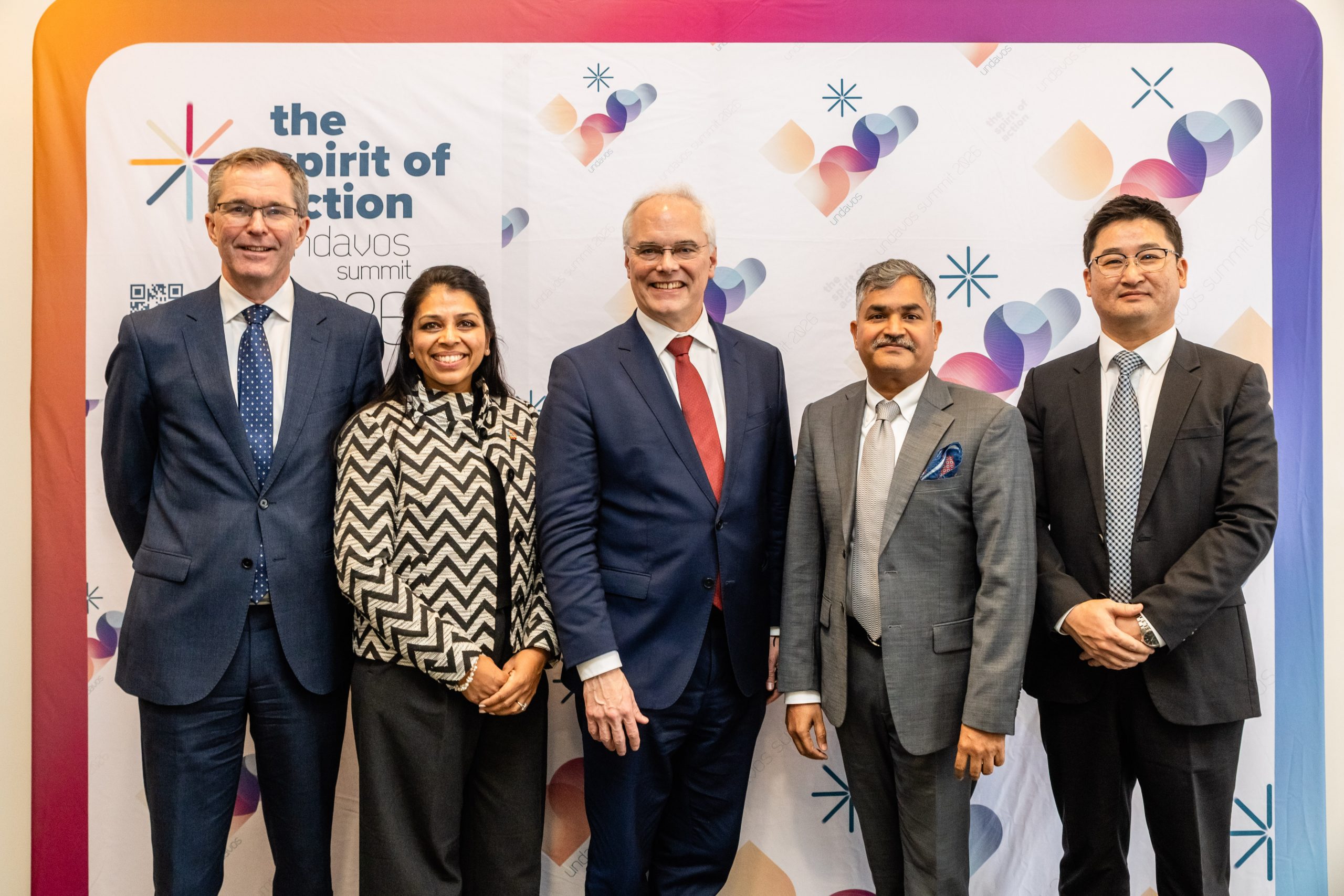
Unveiled at the Health@Davos, a signature side event at the World Economic Forum’s annual meeting, the unique collaboration aims to address these challenges by updating the current manufacturing process to increase the yield and improve thermostability, the vaccine’s shelf life at 2 to 8 degrees Celsius.
These technical improvements could potentially reduce the cost of the vaccine and enable it to be stored in a regular refrigerator for several months, making it much easier to deploy in outbreak settings, subject to regulatory review and public health requirements.
As part of this collaboration, MSD will provide critical technical expertise and ongoing support of Hilleman Laboratories. In addition, MSD will explore options for making the updated vaccine available to public sector buyers in low- and middle-income countries at a significantly more affordable price than the current vaccine, reflecting the anticipated reduction in production costs and subject to regulatory review.
“We believe strategic partnerships are essential to addressing some of the world’s most serious health threats, and we appreciate CEPI’s support of Hilleman Laboratories’ pioneering work in vaccine development for diseases affecting people in low- and middle-income countries,” said Chirfi Guindo, Chief Marketing Officer, Human Health, MSD and MSD Shareholder Executive Leader, Hilleman Laboratories.
“This updated manufacturing process seeks to enable Hilleman to develop and deliver a scalable Zaire ebolavirus vaccine with potential for improved thermostability tailored for outbreak response and prevention. Hilleman, an innovative collaboration between MSD and Wellcome, exemplifies one of the best of the philanthropic and private sectors.”
“Collaboration is at the heart of how Hilleman develops strategies and solutions to tackle diseases that cause frequent outbreaks in low- and middle-income countries, like Ebola,” said Dr. Raman Rao, Chief Executive Officer, Hilleman Laboratories.
“We thank CEPI for expanding its well-established support for research and development into Ebola vaccines. Advancing outbreak preparedness by developing this updated vaccine has the potential to help save lives and prevent suffering in the countries where Zaire ebolavirus poses the greatest threat.”
CEPI’s investment will support Hilleman Laboratories in the clinical development of the updated vaccine. SK bioscience and IDT Biologika will develop the updated drug substance process and associated drug product.
“Addressing deadly infectious diseases such as Ebola requires strong global collaboration,” said Jaeyong Ahn, CEO of SK bioscience. “Through this CEPI-supported partnership, SK bioscience will continue to play a critical role in improving Zaire ebolavirus vaccine manufacturing and supply, contributing meaningfully to global health preparedness.”
CEPI will also fund a Phase 3 immunobridging clinical trial in countries in Africa where the current vaccine is approved for use, subject to ethical and regulatory approvals. The trial will evaluate the immune response generated by the updated vaccine and compare its immune response to that generated by the current licensed vaccine to infer the efficacy of the updated vaccine.
Researchers also expect the updated process to make it easier to manufacture the vaccine at scale. If the world were to face another large outbreak on the scale of the epidemic that struck West Africa in 2014-16, the ability to rapidly produce large quantities of vaccines could help prevent the spread of the virus and help reduce societal and economic damage. It would also make it possible to further enable the expansion of the vaccine’s use in preventive vaccination for health and frontline workers across regions affected, who are most at risk from the disease, consistent with the current WHO SAGE recommendation.