By Milliam Murigi
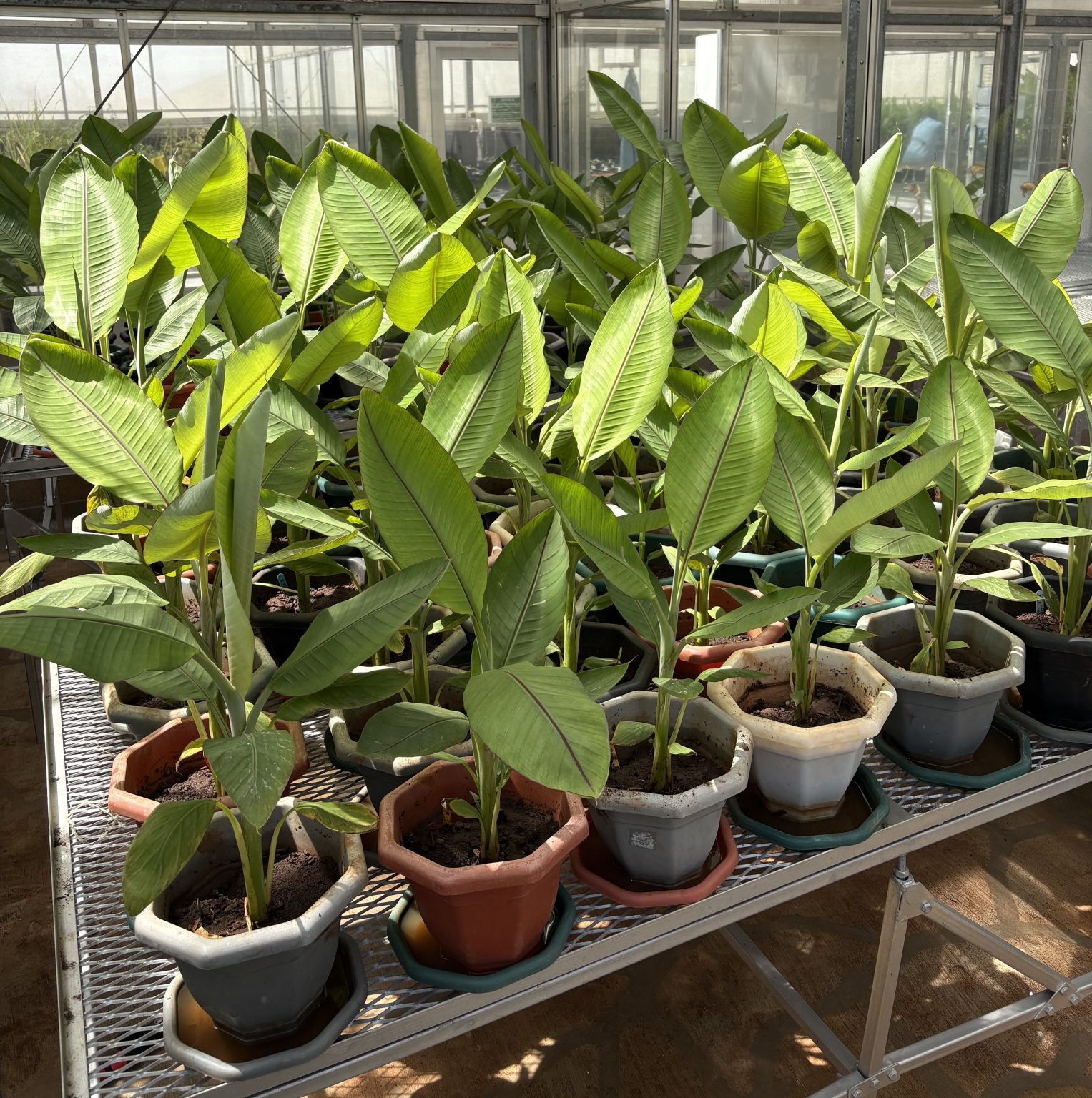
The National Biosafety Authority (NBA) has given the green light for field trials of Kenya’s first home-grown gene-edited banana. This comes after determining that it does not fall under the country’s genetically modified organisms (GMOs) regulations.
The decision was made based on the discovery that the improved banana lines do not contain foreign genetic material and will therefore be regulated as conventional crops rather than GMOs.
The field trials, strictly for research, will be conducted by International Institute of Tropical Agriculture (IITA) in partnership with the Kenya Agricultural and Livestock Research Organization (KALRO).
“This is the first home-grown gene-edited crop to be approved in Kenya as a conventional product, marking a significant milestone in the country’s agricultural biotechnology landscape,” said Dr Leena Tripathi, Eastern Africa Hub Director and Principal Investigator leading the research.
The new gene-edited banana has been developed to combat Banana Xanthomonas Wilt (BXW), a devastating disease that continues to threaten banana production and farmers’ livelihoods across East Africa. They are designed to resist the disease while maintaining strong growth and yield performance.
BXW is caused by the bacterium Xanthomonas campestris pv. musacearum. The disease attacks banana and plantain crops by blocking water movement within the plant, causing leaves to wilt and dry up. Infected fruits ripen prematurely, become discoloured, and are unfit for consumption or sale. Eventually, the entire plant dies.
The disease spreads rapidly through infected planting materials, contaminated farm tools, insects visiting banana flowers, and movement of infected plant parts. Once established in a farm, BXW can wipe out entire plantations if strict control measures are not followed.
Farmers currently manage the disease through labour-intensive practices such as uprooting infected plants, disinfecting farm tools, removing male buds, and using clean planting materials. Researchers say these measures are costly and difficult for many smallholder farmers to sustain consistently.
“The new gene-edited banana could offer a long-term and more affordable solution to the disease challenge,” she added.
The banana was developed using genome-editing technology that modifies the plant’s existing genes to improve resistance without introducing foreign DNA. Because the crop does not contain genes from another organism, Kenya’s biosafety regulator determined that it does not fall under the category of a genetically modified organism.
“This is a major step forward not just for banana research, but for agricultural innovation,” Dr.Tripathi said. “It shows that science-based, proportionate regulation can enable the development of practical solutions for farmers.”
According to her, the decision reflects Kenya’s commitment to fostering a science-driven and enabling regulatory environment. By distinguishing gene-edited crops without foreign DNA from traditional GMOs, the country continues to support innovation while maintaining strong biosafety oversight.
With approval now secured, the research moves from the laboratory to the field. The trials, will generate critical data on how the improved bananas perform under real farming conditions.
“The opportunity to evaluate these bananas in the field is a critical step,” Dr Tripathi noted. “Our goal is to develop improved crop varieties that farmers can rely on—helping to boost production and strengthen resilience.”
Kenya has increasingly emerged as a regional leader in agricultural biotechnology and genome-editing research. The country has previously approved biotechnology-related research involving crops such as maize, cotton, and cassava as part of broader efforts to address pests, diseases, and climate-related challenges affecting food production.