By Sharon Atieno
Contributing roughly US$ 2.8 trillion to Africa’s gross domestic product (GDP), low investment is undermining the potential of the forest sector.
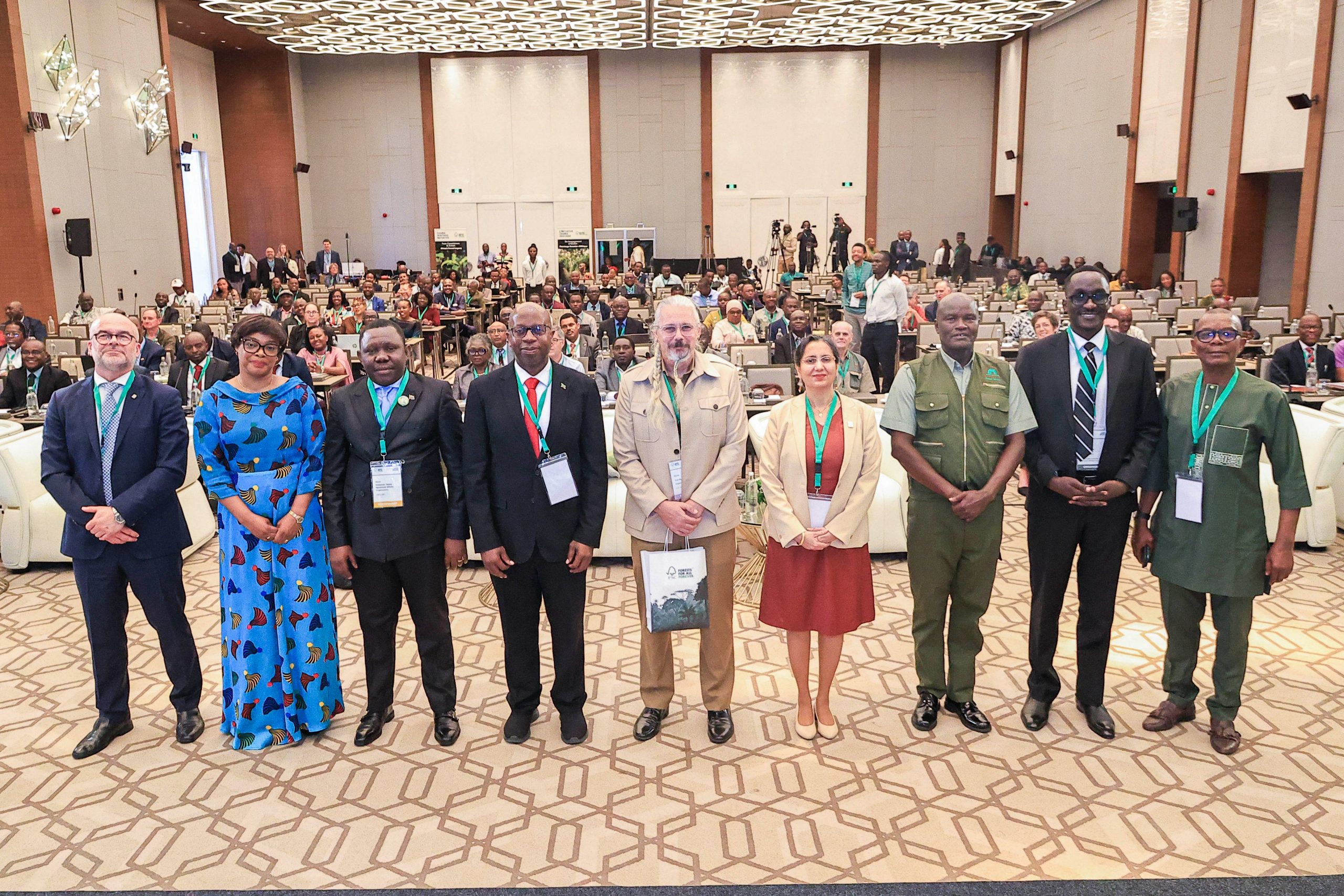
Giving a keynote address during the Zamba Heritage Congress in Kenya’s capital, Nairobi, Peter Gondo, former Secretariat of the United Nations Forum on Forests (UNFF), observed that current levels of investment in forests are far below what is needed.
He noted that the African Forest Landscape Restoration Initiative (AFR100), which aims to restore 100 million hectares of deforested and degraded land in Africa alone, requires about US$ 75-100 billion.
With donor funding, including official development assistance (ODA) fluctuating and government investment being impeded by debts and other overriding national issues, Gondo noted that there is need to rethink the financing of forests.
“Our chances of increasing domestic public financing are limited because our governments have debts and other things that they have to address,” he said, adding that donor funding is based on political goodwill, hence, not stable.
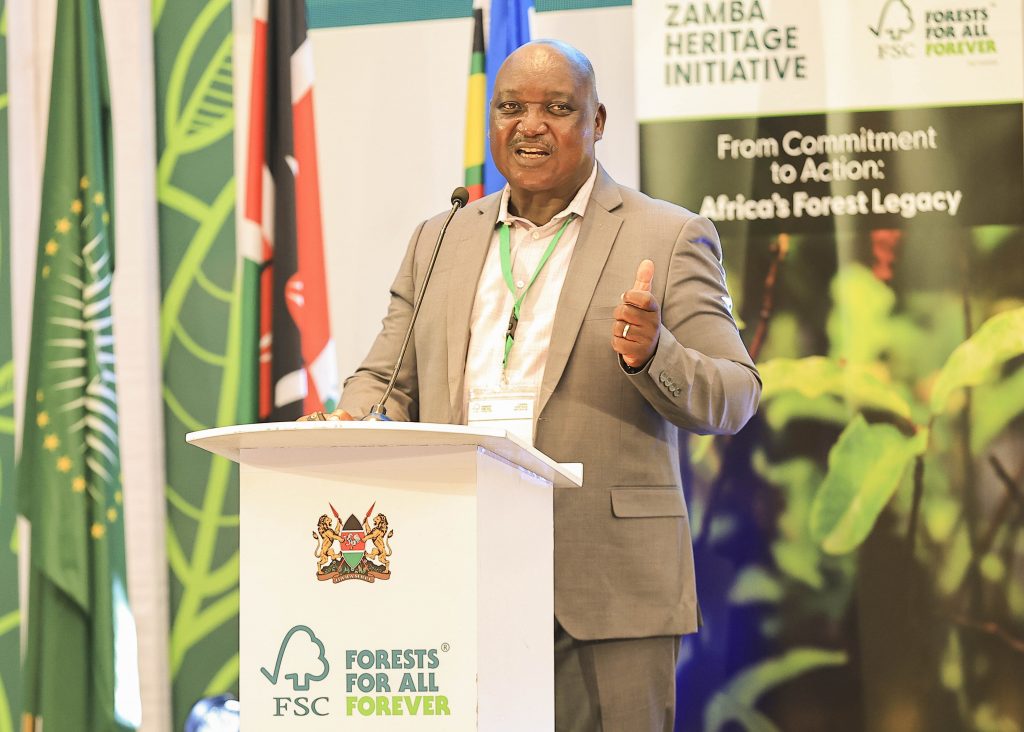
With these channels failing, Gondo stressed that the private sector represents a huge potential for investment. “We need to engage our financing institutions so that we really have tailor-made financing products that are suited to forest restoration, plantation development, and agroforestry. We have the resources, we just need to work with the financiers to come up with the right products,” he said.
Additionally, robust governance is crucial, particularly in ensuring security of tenure and guaranteeing access to the benefits derived from the permanence of trees. Without these assurances, investment is unlikely.
“If you are a private person with money in your pocket, you are not going to invest it where one day the forest will be converted to a housing development. You want assurance that this forest will be permanent and if you are harvesting, you will get your proceeds and if you are a foreign investor, you can remit your money back to your country,” he stressed.
To increase domestic financing on forests, Gondo noted that there is need to use other sectors that are reliant on the forest sector. These include defense, health, education, and energy. However, there is need for policy reforms to achieve this.
On Africa’s growing debt burden, he proposed debt-for-nature swaps as a practical solution. Countries can renegotiate portions of their debt so that, instead of making direct repayments, funds are redirected toward the sustainable management of forests and biodiversity conservation, he said.
Blended financing was also mentioned as a way of derisking and incentivizing investment from the private sector to increase financing for forests.
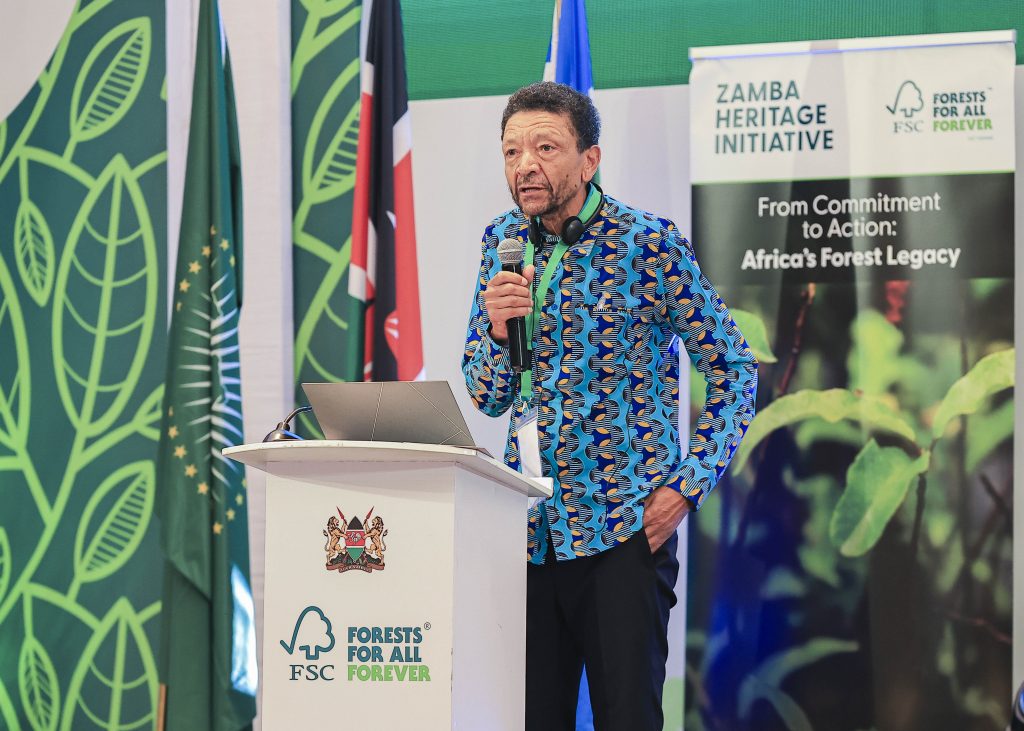
On his part, Dr. Yemi Katerere, Coordinator, African CSO Biodiversity Alliance (ACBA), noted that funding is the biggest challenge facing the implementation of sustainable forest management (SFM), which is central to Africa realizing the potential of its forest economy.
“The conversation around SFM and its urgency must begin with understanding our failure to halt and reverse deforestation and biodiversity loss. Despite our acknowledgment that forests play a vital role in our lives, we continue to lose our forests at alarming rates and funding remains inadequate,” Dr. Katerere said.
He observed that the weakening of multi-lateralism was worsening the funding situation, adding that the world is now in an era of “assetization” or finacialization” of nature. These include carbon and biodiversity credits, and paid ecosystem services (PES).
“The weakening of multilateralism will impact the global south. Finance will become political, limited and more expensive in the case of loans,” Dr. Katerere said.
“Africa needs a key vision for itself. If not, then we are part of someone else’s vision and responding to narratives that are not embedded in the continent’s reality. Africa has a right to leverage its collective knowledge and narratives. ZAMBA [initiative] is well positioned to champion a vision for Africa’s forests and African narratives for SFM.”
The ZAMBA initiative led by the Forest Stewardship Council (FSC) seeks to place 30 million hectares under sustainable management, restore five million hectares of degraded land, and unlock US$ 400 million in finance for sustainable forest management.