By Milliam Murigi
Kenya’s floriculture industry is increasingly turning to climate-resilient varieties as growers seek to shield the sector from the growing impacts of climate change, rising freight costs and global market disruptions.
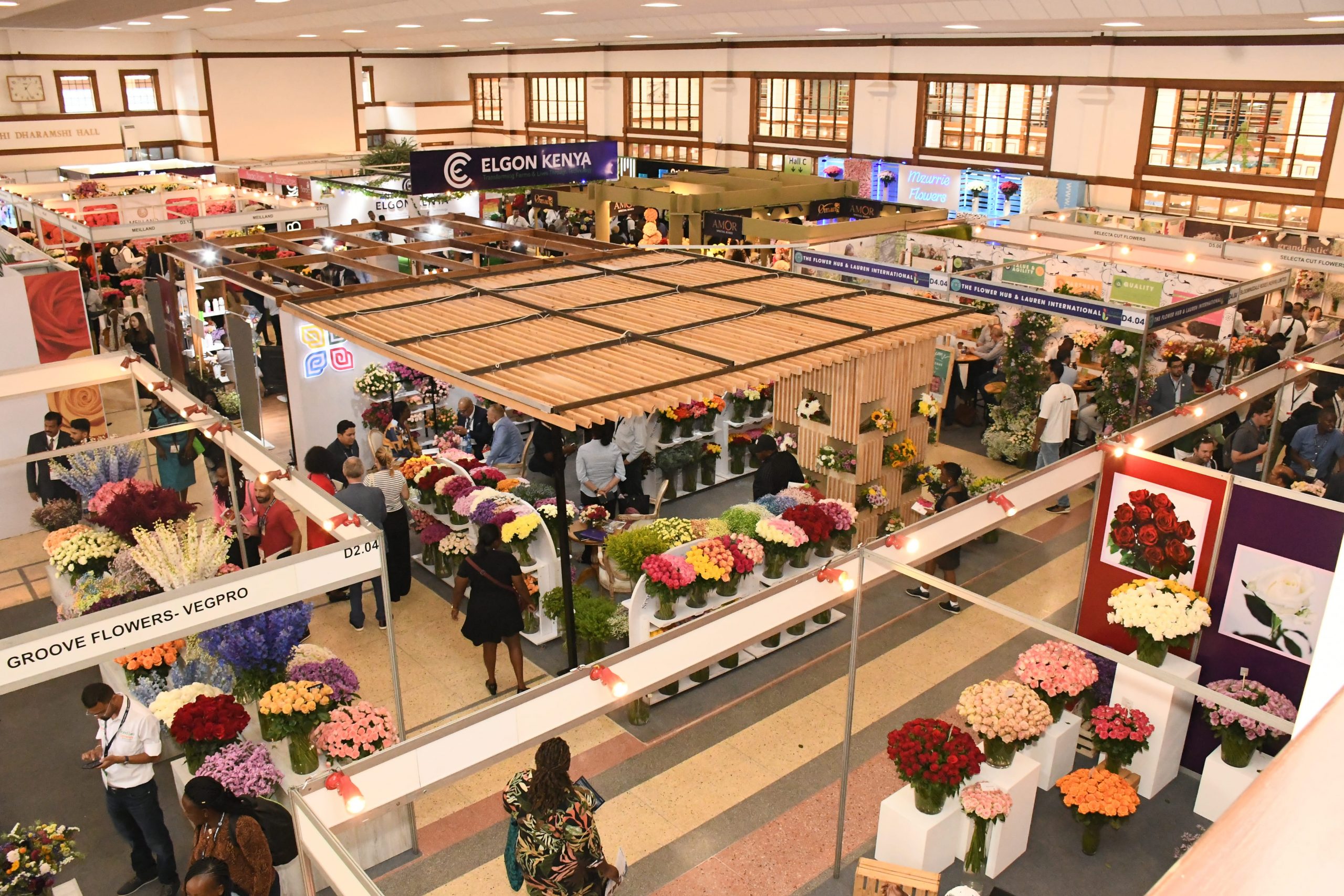
The shift comes even as the industry demonstrates renewed resilience and global competitiveness, with organizers of the upcoming International Floriculture Trade Expo (IFTEX) 2026 announcing a record-breaking edition of the annual flower trade fair.
The 13th edition of IFTEX, scheduled for June 2–4 2026, will bring together 210 exhibitors up from 189 last year marking the highest participation in the event’s history and reflecting growing international confidence in Kenya’s position as one of the world’s leading flower exporters.
Speaking during the official pre-IFTEX 2026 media launch, Dick van Raamsdonk, HPP International Group CEO, noted that nearly 20 percent of the growth in exhibitors comes from new growers, signaling expansion and diversification within the industry. Describing the exhibition as a “true barometer for the global flower trade.”
“In a year when many industries are cautious, participation at IFTEX sends a very different message. This sector is resilient, confident and forward-looking,” he said. “IFTEX no longer only showcases flowers — it showcases the future of the industry.”
The optimism comes at a time when climate change continues to disrupt production across Kenya’s flower-growing regions, particularly around Naivasha where rising water levels and erratic weather patterns have increasingly threatened farms.
According to the Kenya Flower Council (KFC), growers are now embracing hardier flower varieties that can withstand changing climatic conditions while reducing dependence on pesticides and excessive water use.
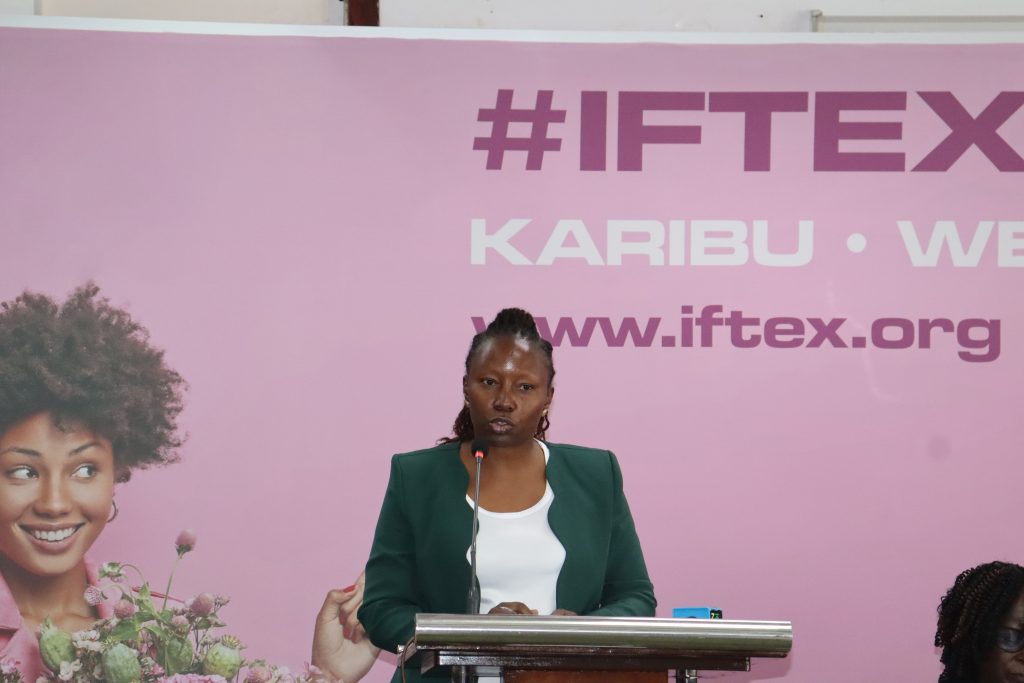
“Most of the summer flowers are very resilient to climate change,” said Lina Jamwa, Membership Engagement and Communications Manager at KFC. “Varieties being embraced are Craspedia, Eryngium, Alstroemeria and spray roses and are doing quite well because they are pest resistant and adapt better to changing weather conditions.”
According to Jamwa, spray roses, which produce multiple smaller blooms on a single stem, are increasingly being adopted by growers in Naivasha, Nanyuki and other flower-growing regions because of their durability, longer shelf life and ability to withstand environmental stress.
Unlike traditional roses that are highly sensitive to temperature fluctuations, spray roses and summer flowers require fewer chemical interventions and are better suited to Kenya’s changing climate conditions.
The industry is also embracing sustainable farming technologies to meet growing environmental demands from international buyers, especially in Europe, Kenya’s largest flower export market.
“More than 60 percent of flower growers in Kenya have adopted integrated pest management systems, relying on natural pest control methods, beneficial insects and organic approaches to reduce pesticide use,” added Jamwa.
Farmers are also increasingly using drip irrigation systems, water recycling technologies and water stewardship programmes aimed at conserving resources amid recurring droughts and water shortages.
In partnership with Dutch sustainability organization MPS, the industry is additionally developing a horticulture carbon footprint calculator that measures emissions generated throughout the flower production chain.
“We are now able to calculate the carbon footprint for every stem produced,” Jamwa said. “Buyers want to know how flowers are grown and whether production methods are environmentally sustainable.”
The move toward resilient flower varieties and sustainable production comes as the industry faces mounting operational pressures linked to geopolitical instability in the Middle East, supply chain disruptions and soaring freight costs.
KFC says air freight costs have increased from approximately USD $3.10 per kilogram to nearly USD $5.00 per kilogram in recent weeks, pushing logistics costs to nearly 60 percent of export expenses during peak periods.
The council estimates that nearly USD $4 million worth of flower exports are currently at risk every week due to shipment disruptions, while fertilizer prices have surged by 25 percent within a week.
“Some farms have reportedly experienced revenue declines of up to 75 percent because of shipment delays and perishability losses,” she added.
Industry projections indicate prolonged disruptions could result in export losses exceeding USD $15 million per month and threaten up to 50,000 jobs if urgent interventions are not implemented.
Despite the challenges, Kenya continues to dominate regional floriculture exports. The Agriculture and Food Authority (AFA) says Kenya exported horticultural produce worth Sh143.78 billion in 2025, with cut flowers accounting for 62 percent of the total export value. Roses continue to dominate exports, accounting for nearly 69 percent of flower exports, with Kenya exporting flowers to 143 destinations globally.
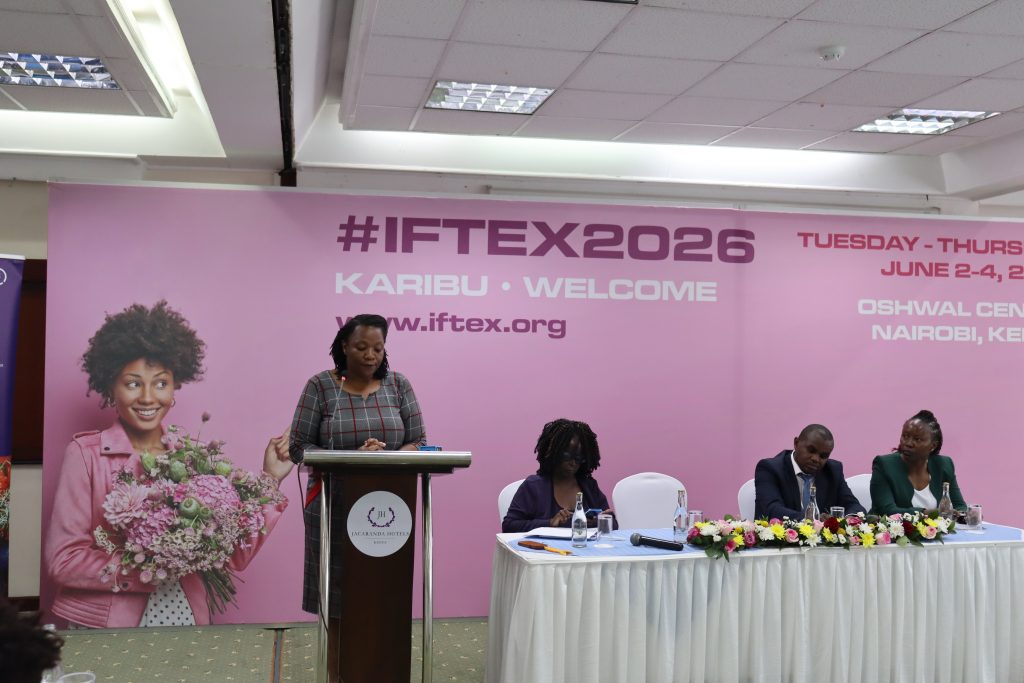
Calistus Kundu, Acting AFA Director General, said in a speech read by Isdorah Odundo, AFA Principal Market and Product Development Officer, the industry remains central to employment creation and inclusive economic growth.
“IFTEX 2026 offers a strategic platform to showcase Kenya’s global leadership in floriculture and strengthen confidence in the country’s horticultural sector,” Kundu said.
Kenya’s competitiveness is also being reinforced through stricter phytosanitary compliance and digital certification systems aimed at protecting key export markets.
Kenya Plant Health Inspectorate Service (KEPHIS) says Kenya currently commands approximately 38 percent of the European Union’s rose cut flower market and is actively pursuing market diversification opportunities in Asia, Australia and the Middle East.
Isaac Macharia, Director of Phytosanitary and Biosecurity Services, KEPHIS, said Kenya continues to strengthen compliance through automation, advanced laboratory infrastructure and enhanced pest management systems.
“As we look forward to IFTEX 2026, adherence to market requirements is not just a regulatory necessity but Kenya’s premier competitive advantage,” Macharia said.
Even as growers diversify into climate-resilient varieties, industry players say the future of Kenya’s flower industry will depend on market diversification, sustainability investments and stronger government support to cushion growers against climate shocks and rising operational costs.
Beyond Europe, exporters are increasingly exploring emerging markets including the United Arab Emirates, Russia, Kazakhstan, Turkey and other African countries as part of efforts to reduce reliance on traditional export destinations.
Kenya’s flower acreage has already expanded from approximately 3,500 hectares to about 5,500 hectares, signaling continued investor confidence in an industry that remains one of the country’s top foreign exchange earners and supports more than one million livelihoods across the value chain, the majority of them women.