By Milliam Murigi
For more than a decade, countries across Africa have recorded remarkable progress in adolescent sexual and reproductive health.
But experts now warn that these gains are under serious threat from shrinking donor funding and growing anti-rights narratives.
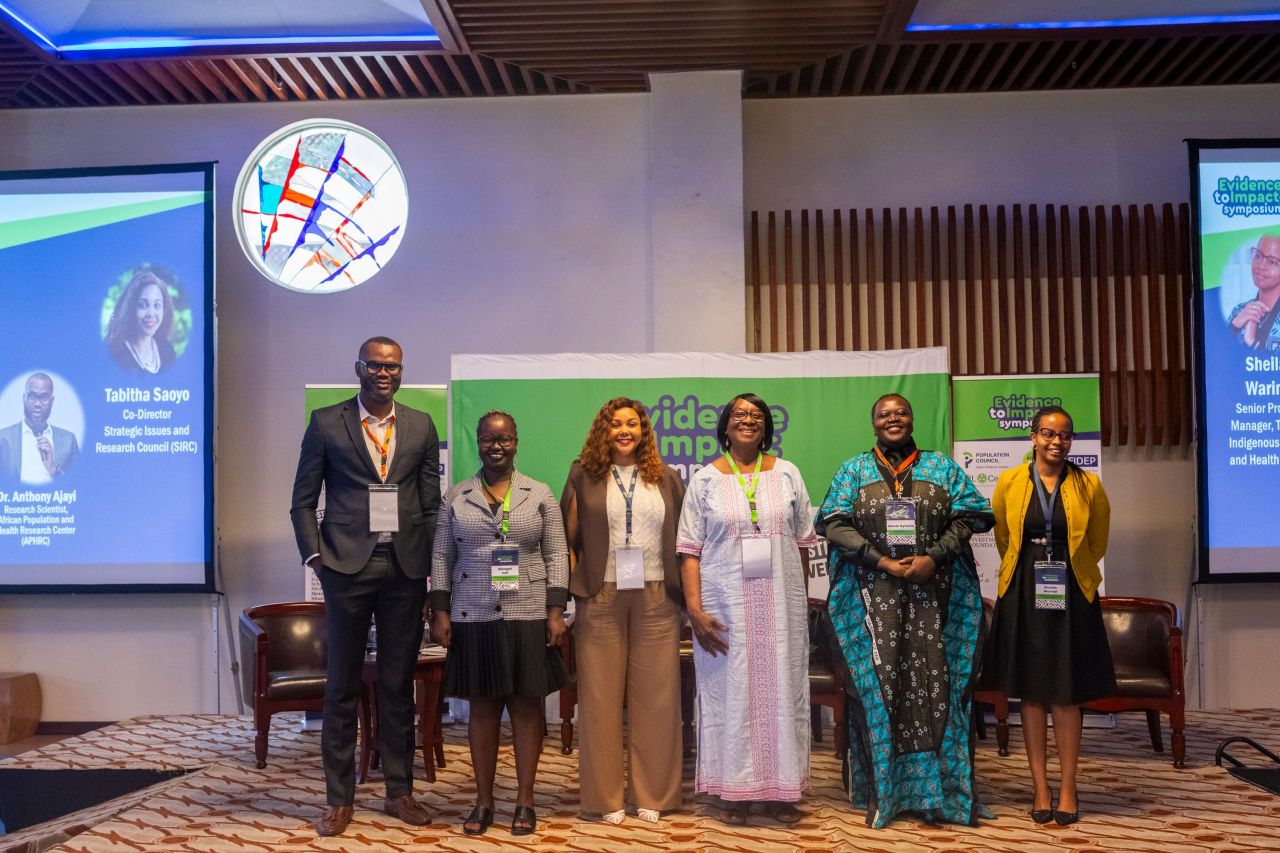
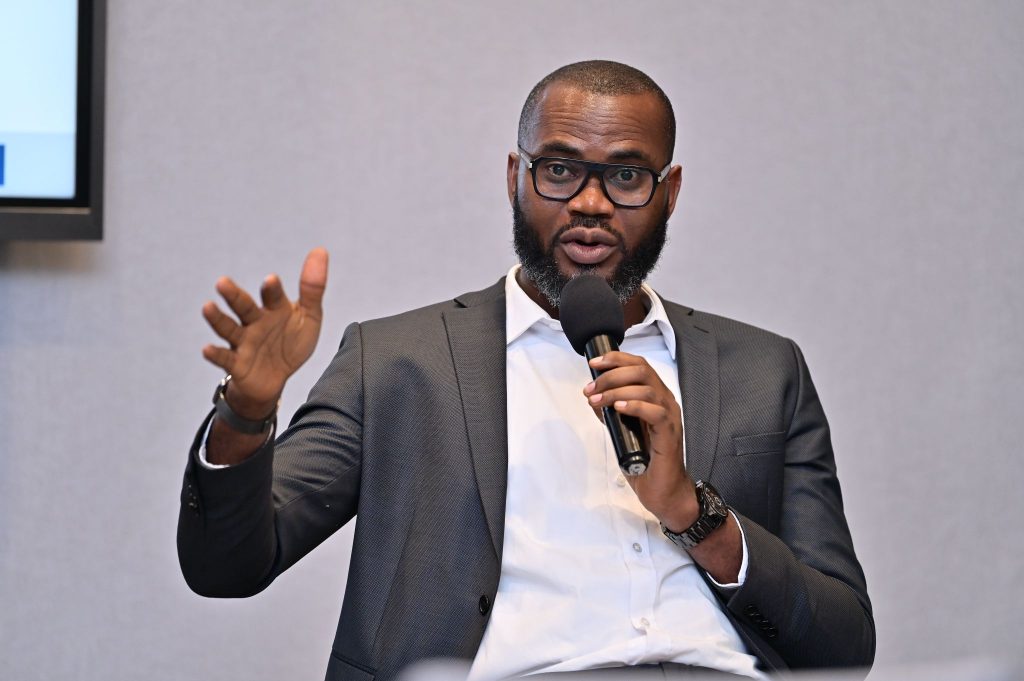
According to Dr. Anthony Ajayí, a Research Scientist at the African Population and Health Research Center (APHRC), the continent risks losing 16 years of hard-earned achievements if governments and stakeholders fail to act decisively.
“We must safeguard adolescent sexual and reproductive health amid funding cuts and rising opposition movements. Safeguarding is not about defending a comfortable status quo, but about protecting the gains made in adolescent health and reproductive rights,” Dr. Ajayi says.
Africa has made significant progress in improving adolescent health and rights over the past decade, including reducing HIV infections among adolescent girls and young women, expanding girls’ access to education and strengthening youth-focused policies.
The region has also been able to shift harmful social norms once considered untouchable such as female genital mutilation and child marriage across parts of the region. Describing the changes as evidence of shifting social norms and stronger legal protections for girls and adolescents.
Additionally, more than 10 countries have integrated comprehensive sexuality education into their national curricula, while several governments have also introduced reforms protecting pregnant and parenting girls from exclusion from school.
“A generation of adolescents in this region is more protected today than at any time in history. However, that progress remains fragile, especially as global funding cuts threaten essential HIV prevention and health programmes,” Dr. Ajayi says.
“Nearly half of HIV prevention interventions in high-burden countries still depend on external financing, largely from a single donor, raising fears that infections could begin rising again before the end of the decade.”
According to Awour Ayiecho, Senior Associate, Investment to Impact at Development Dynamics, although global aid for health and development has been on a downward trajectory since around 2015, with the situation worsening during and after the COVID-19 pandemic, the recent cuts in funding from major donors, including the United States, have intensified concerns about the future of essential health programmes.
Currently, donor priorities according to her are increasingly shifting away from health and social development toward national security, armament and anti-migration policies.
“We are seeing more and more funding going toward security and migration control rather than genuine development outcomes,” Ayiecho says.
The funding shortfalls are already having devastating consequences. Already countries have started to record increases in preventable diseases, infectious outbreaks and child deaths worldwide.
Essential services for children and adolescents are also becoming harder to access, especially in regions already affected by climate shocks, conflict and economic instability.
“The good news is that countries are increasingly investing in domestic resource mobilisation, including family planning, adolescent health programmes, digital innovation and technology-driven solutions to expand young people’s access to information and essential health services,” reveals Ayiecho.
Rising opposition from the anti-rights groups is another challenge adolescent health and reproductive rights is facing. According to Dr. Ajayi, the very programmes credited with improving adolescent health are increasingly facing resistance from organized opposition groups.
Opposition groups are becoming more organized, better funded and increasingly influential within regional institutions, including the African Union.
“We have watched anti-rights movements drag PrEP before the courts as an affront to culture,” Dr. Ajayi says. “Sexuality education is being suspended in some places, and some countries are refusing to recommit to regional agreements.”
Adding that “The funding cuts attack what we can afford to do. The opposition attacks what we are permitted to do. One drains the resources and the other contests the legitimacy.”
Currently, according to Tabitha Saoyo, a human rights lawyer and Co-Director at Strategic Issues and Research Council Kenya, there is a draft African Charter on Family Sovereignty and Values under discussion that is expected to be presented to the African Union in February next year.
The draft charter reportedly describes sexual and reproductive health and rights as an existential threat to the African family and rejects comprehensive sexuality education. Saoyo warns that if the treaty is adopted, it could reverse years of progress made in protecting adolescent health and rights across the continent.
The proposed charter according to her risks limiting young people’s access to accurate sexual and reproductive health information and services, while also strengthening restrictive narratives that stigmatize adolescents, girls, and vulnerable groups.
“If such a treaty sees the light of day, we risk undoing decades of progress on adolescent health, education, and bodily autonomy across Africa,” says Saoyo.