By Milliam Murigi
For centuries, maggots have been associated with decay, filth and death. Today, scientists say those same tiny creatures could help save thousands of limbs and lives across Africa.
Across Africa, an estimated 24 million people are living with diabetes, and between 13 and 19 percent are expected to develop diabetic foot ulcers one of the disease’s most devastating complications.
These chronic wounds are painful, slow to heal and highly susceptible to infection. If left untreated or poorly managed, they often result in amputation.
Health experts estimate that nearly 85 percent of lower-limb amputations are preceded by a diabetic foot ulcer, making early and effective treatment critical.
Yet conventional wound care is becoming increasingly difficult. Repeated use of antibiotics and surgical debridement has long been the standard of care.
However, the rapid rise of antimicrobial resistance (AMR) means many wound infections no longer respond to commonly used antibiotics, driving up treatment costs while reducing patients’ chances of recovery.
“This is why there is an urgent need to rethink wound care,” says Paul Ngari, Head of the Pharmacology and Microbiology Programme at the KALRO Biotechnology Research Institute.
“Conventional wound management not only contributes to the growing threat of antimicrobial resistance through the overuse of antibiotics, but also generates significant environmental pollution because it relies heavily on disposable dressings, synthetic materials and other single-use medical supplies.”
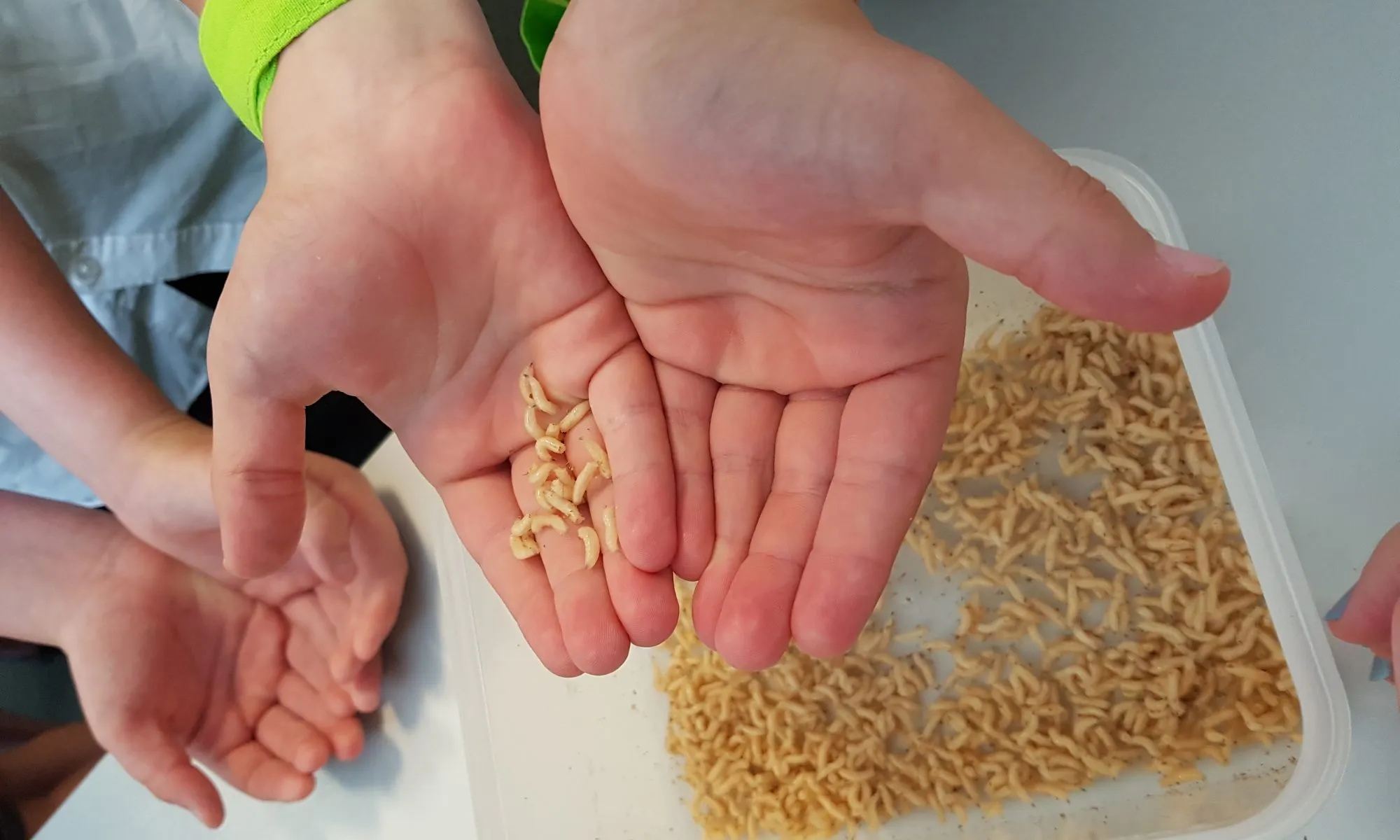
It is against this backdrop that scientists are turning to Medicinal Maggot Therapy or Larval therapy, a medically approved treatment that uses sterile maggots/larvae of the green bottle fly (Lucilia sericata) to clean chronic wounds.
Although the idea may sound unsettling, researchers say the science behind it is well established. Sterile maggots are applied to the wound in specially designed dressings that keep them securely contained while allowing them to remove dead tissue. As they feed, they selectively consume only necrotic (dead) and infected tissue, leaving healthy tissue unharmed.
“The maggots release powerful enzymes that dissolve necrotic (dead/dying) tissue and possess antimicrobial properties effective even against difficult-to-treat bacteria such as Methicillin-resistant Staphylococcus aureus (MRSA) and Pseudomonas species,” explains Ngari.
Their movement also stimulates blood circulation and tissue regeneration, accelerating healing while reducing infection. In essence, they perform microsurgery and disinfection at the same time.
The benefits extend beyond the clinic. Unlike many conventional wound care methods, maggot debridement therapy (MDT) requires no synthetic chemicals, generates minimal medical waste and significantly reduces antibiotic use. These characteristics give it a much smaller carbon footprint, making it consistent with the one health approach, which recognises the interconnected health of people, animals and the environment.
“For centuries maggots were associated with decay and death,” says Ngari. “Today they are entering hospitals as an unlikely weapon against dangerous infections and chronic wounds.”
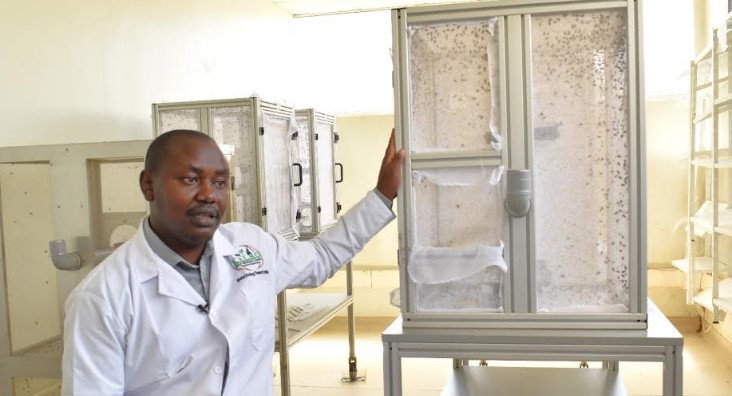
Evidence from pilot programmes across Africa suggests the therapy is delivering encouraging results. According to Regina Karanja, a scientist at the KALRO Biotechnology Research Institute, MDT has consistently outperformed conventional wound care by improving healing rates, controlling infections, reducing amputations and lowering antibiotic use.
In Egypt, studies have reported up to a 70 percent reduction in bacterial load alongside high treatment success rates. Nigeria has documented significant reductions in antibiotic use and improved wound healing, while pilot studies in South Africa have demonstrated measurable progress in treating chronic wounds.
Kenya and Tanzania have also reported positive early outcomes, including lower amputation risk and faster recovery among patients with difficult-to-heal wounds. Beyond the clinical gains, researchers believe the economic case for MDT is equally compelling.
“Among the countries assessed, Kenya recorded the highest relative cost savings estimated at around 50 percent compared with conventional wound management,” says Ngari.
“Many patients requiring treatment are in their most productive working years. Faster healing means fewer days in hospital, earlier return to work and reduced economic losses for families, employers and the health system.”
Despite its promise, MDT remains far from routine clinical practice. Karanja says widespread adoption is constrained by limited production facilities for medical-grade larvae, inadequate cold-chain distribution systems and the absence of clear regulatory frameworks governing the use of what are classified as “living medical products.”
There is also scepticism among some healthcare professionals, largely due to limited training and unfamiliarity with the therapy. Patient perceptions and cultural beliefs surrounding the use of maggots in medicine present another hurdle.
“That is why we are calling for investment in local production facilities, development of national clinical guidelines and integration of MDT into broader antimicrobial stewardship programmes. Without structured support, MDT will remain confined to pilot projects despite its enormous potential,” says Karanja.
Ngari believes MDT should also be viewed through the lens of climate adaptation. Climate change, he says, is worsening diabetes complications through rising temperatures, flooding, displacement, food insecurity and weakened immunity. Together, these factors are increasing the incidence of chronic wounds while placing additional pressure on already overstretched healthcare systems.
Because MDT reduces reliance on antibiotics, surgery and resource-intensive wound care materials, it offers a lower-carbon alternative that fits within climate-resilient healthcare systems.
He is urging governments to integrate MDT into national climate adaptation plans, non-communicable disease strategies and health financing frameworks, while exploring climate finance opportunities to support its scale-up.
For ministries of health, he recommends recognising MDT as an essential health service and incorporating it into national clinical guidelines. Ministries of finance, meanwhile, should include its cost-effectiveness in long-term health budgeting and expenditure planning.
“If Africa is to build climate-resilient health systems we must be willing to embrace innovative, evidence-based solutions even when they challenge conventional thinking,” says Ngari.