By Sharon Atieno Onyango
Improving the living standards of people residing in informal settlements particularly through better housing, requires meaningful community participation and inclusion at every stage.
Joseph Muturi, Shack Dwellers International (SDI) President, said during the Muungano wa Wanavijiji @30 International Conference in Kenya’s capital, Nairobi.
“Community should be involved in the designing, in the dreaming of these houses and even in their construction. Community should be looked at more as co-producers of these projects and not beneficiaries,” he said.
According to Muturi, excluding communities from the planning process means that many of their most pressing needs go unheard, undermining the success and sustainability of such projects. Providing houses alone is not enough if residents’ livelihoods are not improved, as decent housing and economic empowerment must go hand in hand.
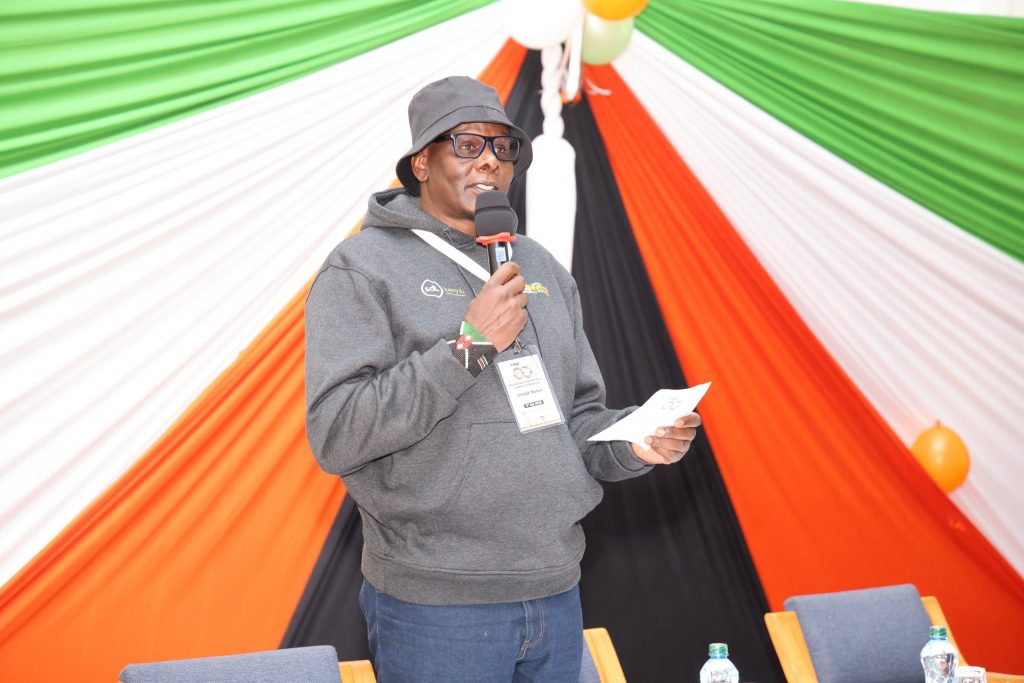
Similarly, Prof. Peter Ngau, an urban and regional planning expert, noted that low income remains a significant challenge to people residing in informal settlements, with some earning roughly shs. 10,000 (US$77) a month.
“When we do something about informal settlement, let’s remember that those people have low incomes. If you try to do something which they cannot afford, they will not take it,” he said.
Prof. Ngau underscored that because of the low income, most of them move when the places they were living in are upgraded to tenements as they become unaffordable.
“The housing in informal settlement is not owned by the people who live in informal settlement. It is owned by people we call structure owners. People who have come, got land and built these mabati (tin) houses and they are renting. So, roughly 94% of the people in informal settlement are tenants. They are not owners,” he said.
“When the area is cleared and those houses are built, what they do is they move to another area. That’s why you find in many informal settlements now the mabati houses are even going to one floor up. They are densifying because we are squeezing them out.”
Additionally, despite 20% of the affordable housing project by the government being listed under social housing for the low-income earners, it remains inadequate and financially out of reach for most of this population.
An estimated nine million Kenyans live in informal settlements with 60% of Nairobi’s 5.5 million residents living in similar conditions. Besides low income, they face insecure land tenure and lack of basic services such as water and sanitation.
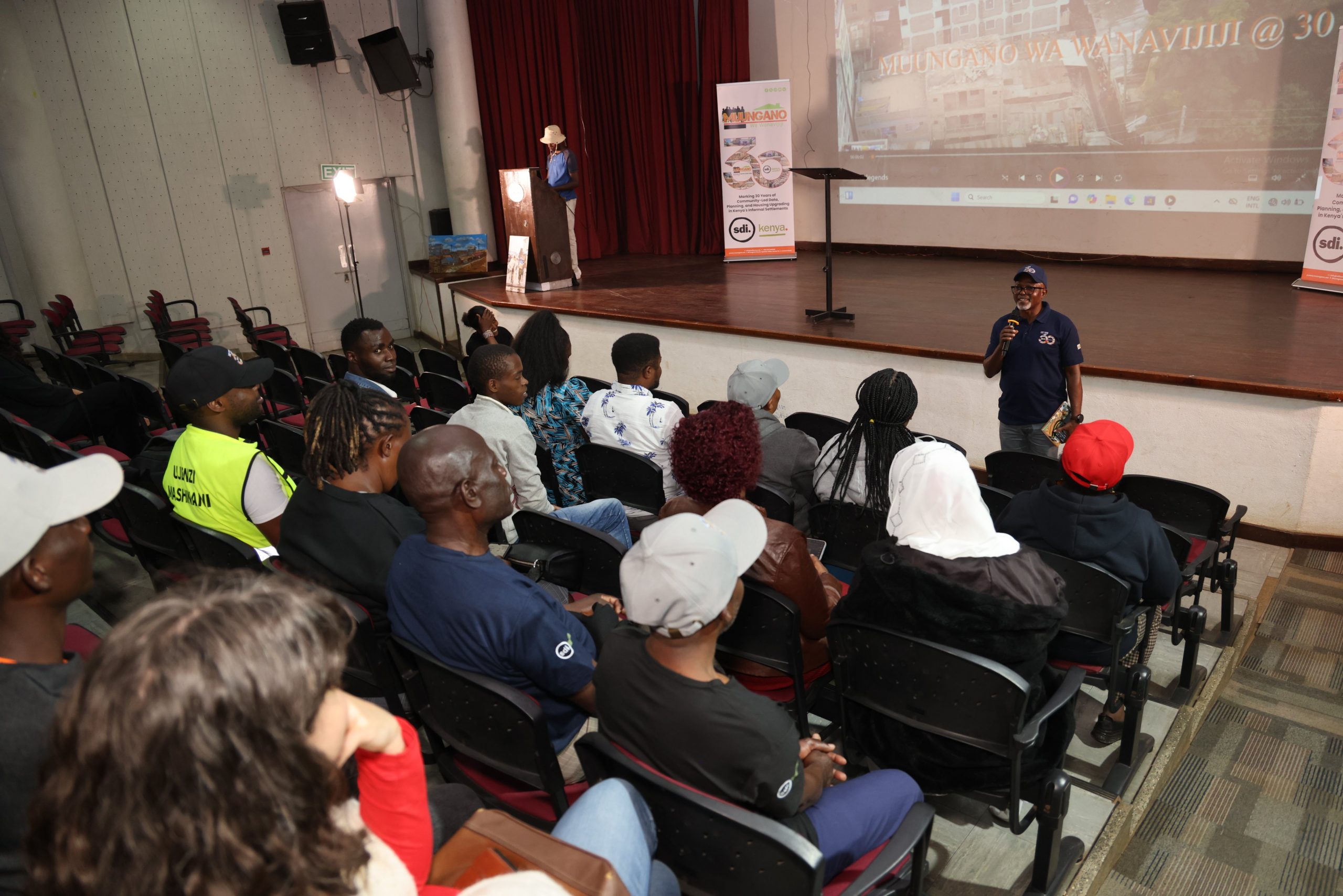
The conference was held to celebrate the milestones achieved by Muungano over the last 30 years. The movement has evolved into a powerful national movement of urban poor communities in Kenya, championing land and housing rights and shaping inclusive urban development discourse.
Themed Celebrating three decades of struggle, advocacy, resilience and transformation, the gathering brought together over 200 professionals and stakeholders who have contributed and supported urban poor movements over the past three decades.