By Milliam Murigi
As countries prepare to negotiate a new 10-year Gender Action Plan (GAP) under the United Nations Framework Convention on Climate Change (UNFCCC), Africa is calling for an inclusive and equitable framework that addresses the needs of all — women, men, youth, and persons with disabilities.
The new plan follows the extension of the Lima Work Programme on Gender at COP29 and will guide global efforts to integrate gender equality into climate policies and actions over the next decade.
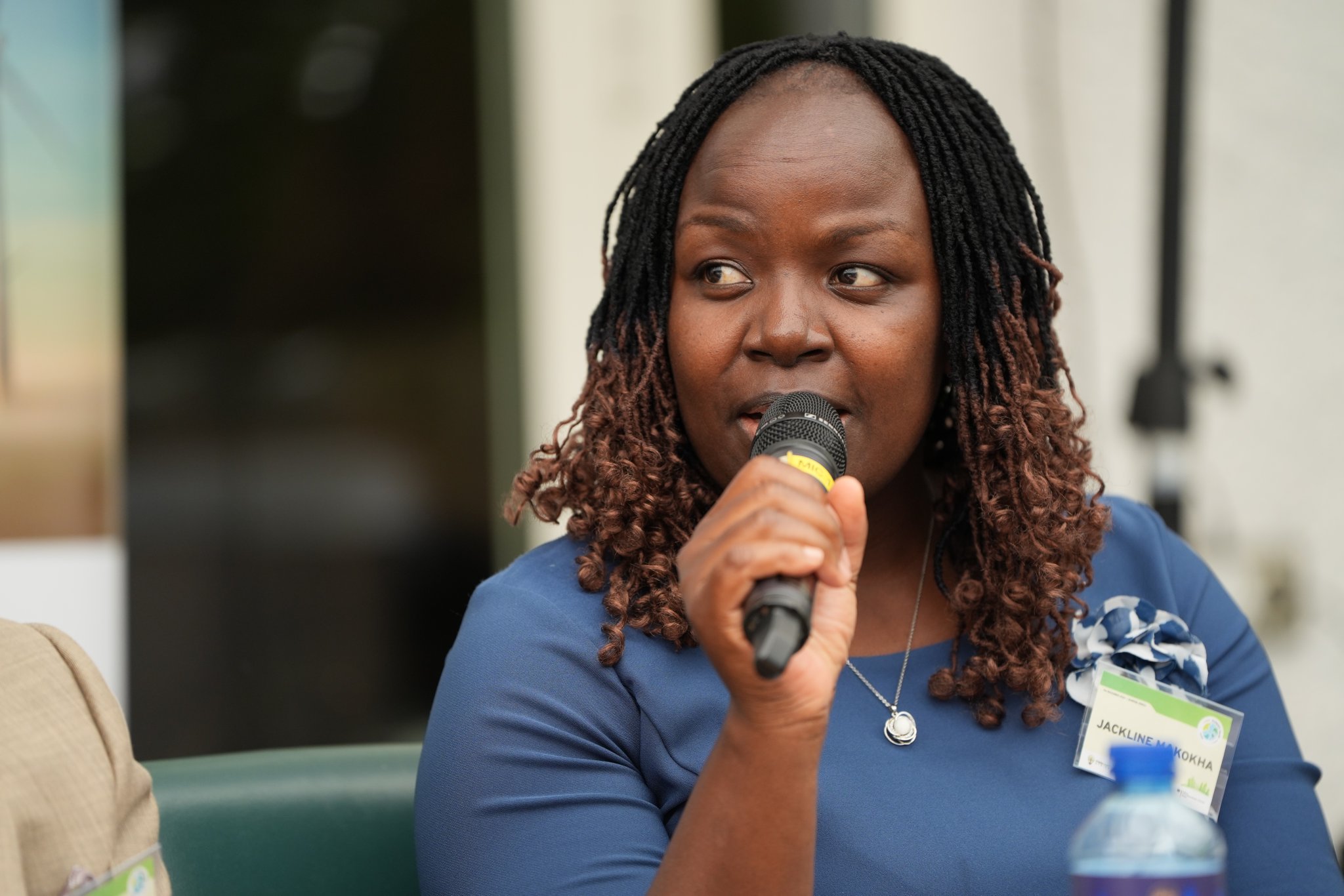
Speaking in Nairobi during the African Civil Society pre-COP30 convening, Jackline Makokha, Director of Gender at the State Department for Gender and Affirmative Action in the Ministry of Public Service, Gender and Affirmative Action, urged negotiators to ensure that the next Gender Action Plan moves beyond women-centered approaches and adopt a framework that ensures no one is left behind in climate action.
“At times, our Gender Action Plans look more like women’s action plans,” said Makokha. “While women face unique vulnerabilities, climate change affects everyone — men, women, youth, and persons with disabilities alike. What we need is a framework that brings everyone on board.”
She noted that Africa’s consultations in Bonn and Addis Ababa have already identified priority areas for the continent — including gender-responsive climate finance, equal participation in decision-making, and strong accountability mechanisms to track progress.
Africa is working closely with the African Group of Negotiators (AGN) and the G77 and China and will advocate for three key priorities at COP30: means of implementation — ensuring predictable and accessible funding for gender-responsive climate action; equity and inclusivity — addressing the unique vulnerabilities of men, women, youth, and persons with disabilities; and monitoring and data — strengthening gender-disaggregated data and measurable indicators to track progress and impact.
However, Makokha expressed concern over the persistent exclusion of persons with disabilities from global climate spaces.She emphasized that inclusivity must translate into action — not just statements.
“Issues of disabilities are really lagging behind within the confines of the UNFCCC, even in terms of how information is disseminated and how negotiations are carried,” she observed.
Makokha concluded by urging countries to adopt a robust Gender Action Plan at COP30, noting that without one, progress on gender equality in climate action risks stalling.
“Without a new GAP, we risk losing momentum. The next plan must be inclusive, evidence-based, and adequately funded if it is to make a real difference,” she added.